Orwell, but with a happy ending: the new Animal Farm that strips the bite
A new animated Animal Farm trades Orwell's satire for sentimentality. The result is a Sunday-afternoon cartoon that loses the book.
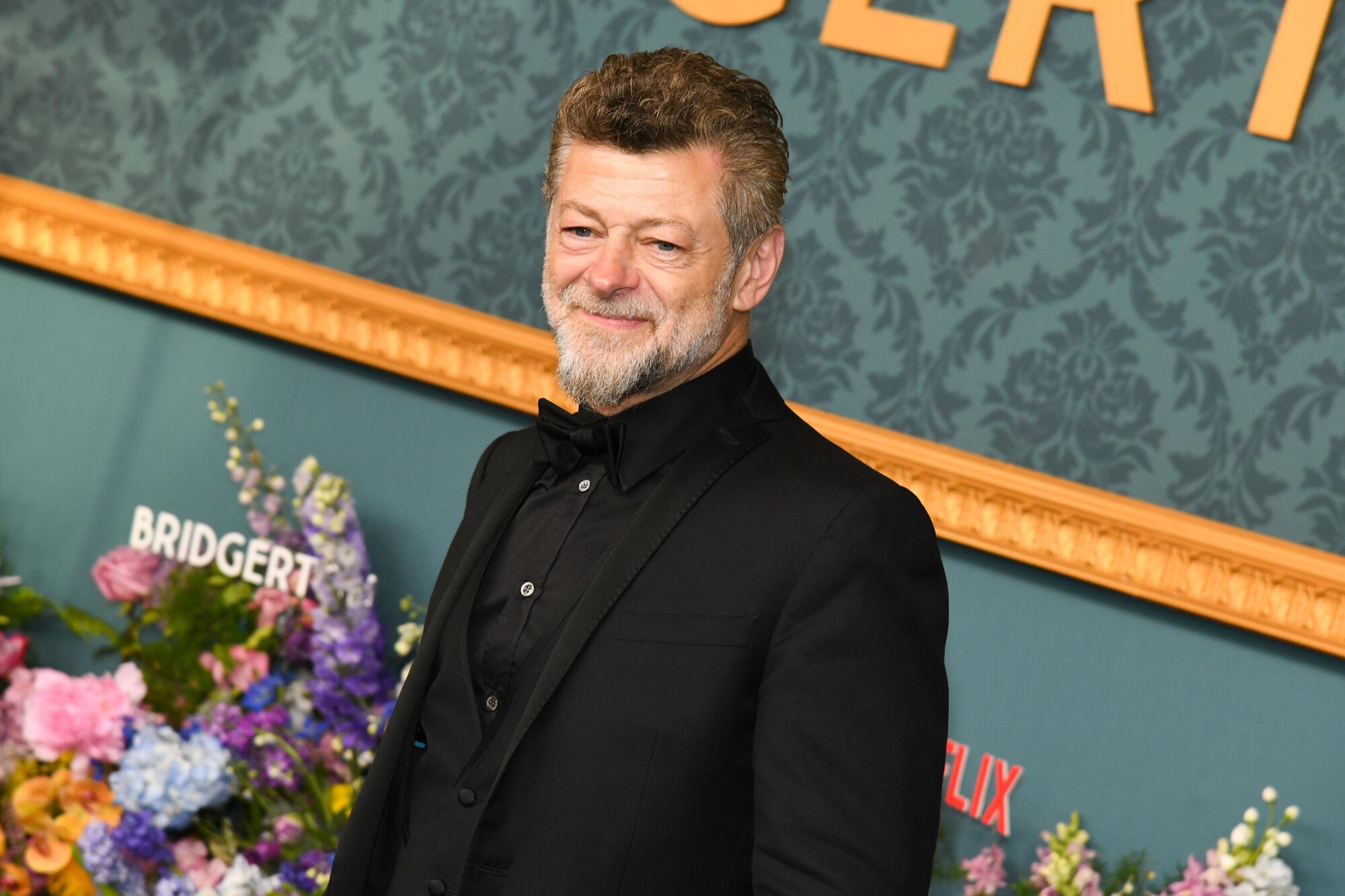
A pig's trotter scribbles the Seven Commandments on the barn wall, the line draws back, and a chicken clucks approval. Andy Serkis's newly released animated adaptation of George Orwell's Animal Farm opens in roughly the place anyone who has read the 1945 novella would expect, and then, within minutes, surrenders almost everything that makes the book worth opening. The Guardian's review, published 15 July 2026, calls the film "outrageously reduced to happy-ending panto," a verdict that names the problem with more restraint than the film itself deserves.
Serkis, who has built a second career as a performance-capture actor (Gollum in The Lord of the Rings, Caesar in the Planet of the Apes reboots), directs from a screenplay by Nicholas Stoller and Jonathan Clements. The cast includes Seth Rogen as Napoleon, Laverne Cox as Snowball, Glenn Close, Patrick Stewart and Woody Harrelson. The premise is, in principle, a gift to animators. A farmyard run by pigs who overthrow a drunk human farmer is a story written for type, for crowd scenes, for a barnyard of talking animals whose betrayal can be told in a single raised snout.
What the film does to the book
Orwell's novella ends with the pigs walking on two legs, drunkenly carousing with the human farmers they claimed to have displaced, the final commandment, "all animals are equal", visibly amended on the wall to read that some animals are more equal than others. The book's power is in that drift: the revolution consumed, the totalitarian shape indistinguishable from the regime it replaced. The Guardian's Charles Pulliam Moore argues that Serkis's film replaces that ending with reconciliation. Boxer the cart-horse, dead in the book, gets to live. The dictatorship softens, the allegory thins, and the closing minutes stage a return to the kind of family-friendly catharsis that the original text was written against.
This is not a small adjustment. It is the surgical removal of the book's premise. Animal Farm is, at its core, a warning about how revolutionary language is captured by elites who then betray it. Without the betrayal, the satire has nothing to satirise. Pulliam Moore is blunt on the point: the film turns a "passionate allegory on Stalinism" into "happy-ending panto."
The all-ages question, asked honestly
A faithful Animal Farm is, of course, a hard thing to put in a multiplex. Orwell wrote a book for adults about the ways in which mass movements eat their own; the violence is short, explicit and unsparing. Any adaptation has to decide whether it is making a film for the audience that already knows the book, or for children who don't. The Serkis version chooses the latter, and pays the price. The Guardian review notes that the voice cast, particularly Seth Rogen, whose comedic register is broadly the same in every role, flattens the political fable into something closer to a DreamWorks feature than an Orwell adaptation.
There is a fair counter-argument. Adaptations that hew exactly to the source rarely travel; fidelity can be its own kind of deadness. The Coen brothers' True Grit, the BBC's War and Peace, the various Pratchetten TV movies that hew and diverge in roughly equal measure: the canon of successful literary adaptation is full of directors who understood which bone to keep and which to re-cut. The issue with this Animal Farm is not that it departs from the book; it is the direction of the departure. Hardening a satire into tragedy can read as cruelty. Softening one into reconciliation reads as cowardice.
What the cast list actually signals
The voice cast is the second tell. Glenn Close as a horse; Patrick Stewart as a pig; Seth Rogen as the tyrant. Comic and dramatic actors sit alongside one another in roughly equal measure, and the tonal register drifts as a result. Rogen, the Guardian notes, plays Napoleon with something close to a shrug, more put-upon middle manager than totalitarian; Laverne Cox's Snowball is similarly flattened, her big speeches delivered with the cadence of an animated children's film rather than a political treatise. Without a vocal performance that takes the allegory seriously, the audience has no character through whom to register the allegory's stakes.
This is, structurally, the same problem Hollywood has had with every attempt to animate Orwell. The 1954 Halas-and-Batchelor version held closer to the book and was attacked from the right as Communist propaganda, while pleasing almost no one else. The 1999 TV movie with Kelsey Grammer cleaved the satire in two and made a film that nobody watched. The market for a faithful Animal Farm in English-language cinema has, for seventy years, been harder to find than the market for a defanged one.
What stays, what breaks
What stays in the Serkis version is the barnyard comedy: the boot kicked into the stable, the horse who works too hard, the raven who won't land, the dogs that Napoleon raises into a private army. What breaks is the part the book is remembered for. Without the closing betrayal, the film is a fairly conventional farmyard fable, the kind of thing children's television has been producing since the 1970s. The Guardian puts it more colourfully: "the classic farmyard satire" has been "slaughtered … with sugar."
For a publication that treats Orwell as required reading, the disappointment is structural rather than personal. The film does not seem to have been made by people hostile to the book; it seems to have been made by people who could not find a way to put the book's actual ending in front of a multiplex audience without losing the merchandising tier.
The question worth sitting with is whether that constraint is, in 2026, actually a constraint. The book is in the public domain. The political moment is the kind of moment the book was written for. A version of Animal Farm that trusted its audience would, by every reasonable measure, do very well. The version that opened this week chose not to.
Monexus has framed this as a question of fidelity and tone rather than of ideological alignment; the Guardian's review was the primary source, and the structural argument in the body is the staff writer's own reading of what that review describes.