Yen's slide reorders the carry trade as Tokyo walks a narrow line
A weaker yen is once again cheapening Japanese borrowing, pulling flows out of Tokyo's control. The question now is whether the authorities will tolerate the drift or step in.
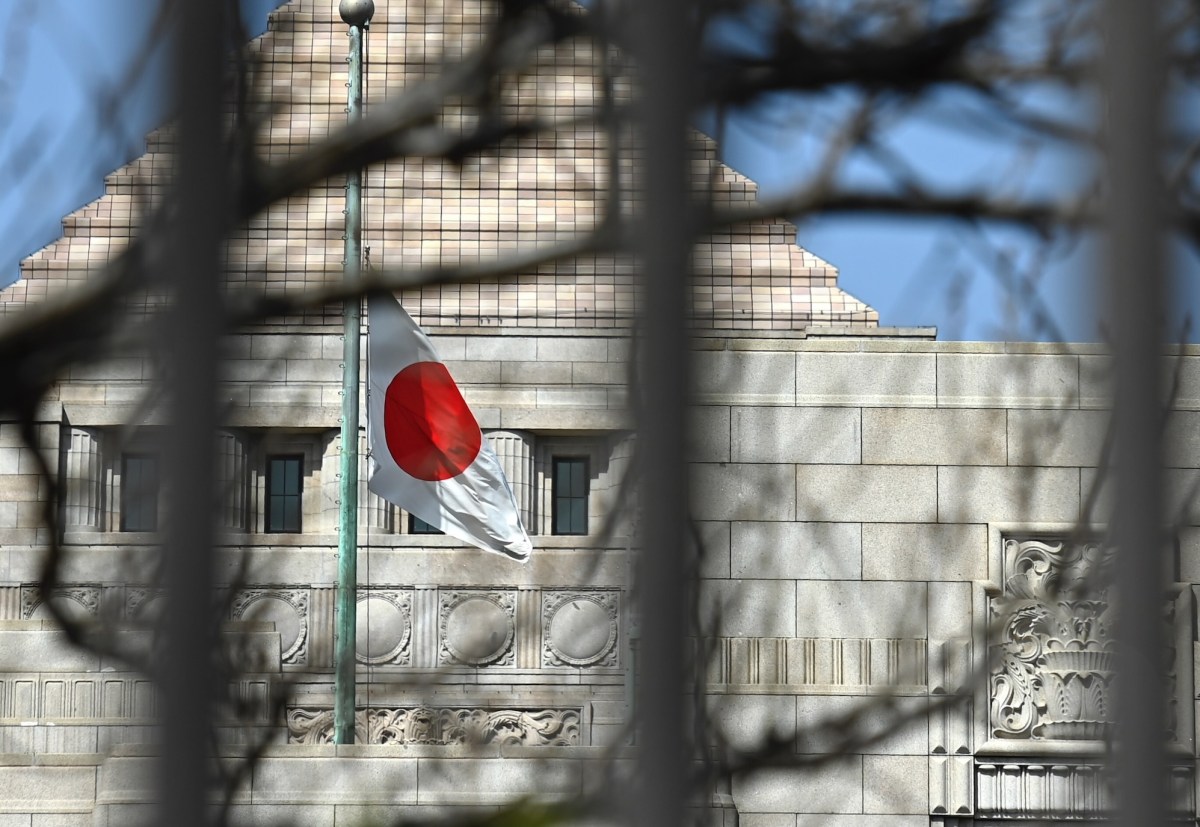
A fresh leg down in the yen on 13 July 2026 has revived an argument that Japanese policymakers spent the better part of two years trying to close: the country is once again a low-yielding funding currency for the world. Reuters correspondent Rocky Swift walked through the implications on the Econ World podcast the same day, framing the move as a stress test of how much drift Tokyo is willing to absorb before it intervenes directly in the currency market.
What is unfolding is a familiar pattern in modern guise. As Japanese borrowing costs stay pinned near zero while rates elsewhere rise, capital chases the yield differential. The yen weakens. Import bills for energy and food climb. Households feel it at the supermarket before they feel it anywhere else. The political pressure on the Bank of Japan and the finance ministry is therefore not just about export competitiveness, which is the line Tokyo has used for years, but about whether the country can still set its own monetary conditions without the world immediately repricing them.
The carry trade is back, by another route
For most of the past decade the carry trade involved investors borrowing yen to buy higher-yielding assets in emerging markets and on Wall Street. That trade compressed Japanese interest rates to almost nothing. It also left markets exposed whenever the yen strengthened sharply, unwinding positions across equities and crypto in cascades.
The current episode is structurally similar but less spectacular. The yen has weakened against a basket of major currencies, and the cost of shorting it has fallen. Reuters' framing is plain: from Tokyo to Wall Street, the currency is once again the cheapest funding in the majors, and that pulls liquidity out of assets denominated in stronger currencies and into anything offering a yield pickup.
The complication is that Japan's institutions now have less room to ignore this. The Bank of Japan has begun a slow normalisation after years of yield curve control, but domestic demand is fragile and the government's debt stock is the largest in the developed world. A weaker yen eases the burden on exporters and helps push headline inflation toward target; it also drags real wages lower at exactly the moment Prime Minister Fumio Kishida's successors are trying to revive household consumption.
What Tokyo actually controls
Currency intervention is the loudest lever, and the historical record is instructive. In late 2022 the Ministry of Finance intervened directly to slow the yen's slide, briefly reversing the move before market forces resumed. The political signal was clear: there is a line beyond which Tokyo will spend reserves to push back. What is less clear is where that line sits in 2026, given how much fire has already been spent and how thin the political reward looks.
Interest-rate policy is the quieter lever, and it cuts the other way. Raising rates would strengthen the yen and punish leveraged carry positions, but it would also lift the cost of rolling the government's debt and squeeze the regional banks that hold it. Cutting rates would weaken the yen further and accelerate the move Swift described. The Bank of Japan's board has spent the last two quarterly meetings signalling gradual tightening; whether it can continue to do so while the currency drifts is the question markets will keep asking.
The corridor that matters
The geopolitics sits underneath the economics. A weaker yen makes Japanese exports cheaper in dollar terms, which softens one of the structural complaints from Washington and Brussels about trade imbalances. It also makes Japanese investment in Southeast Asia and the Pacific relatively more expensive in yen terms at a moment when Tokyo is publicly trying to deepen its footprint in both regions. That tension has been a fixture of Japanese policy debate for at least a decade and is not new; what is new is how openly it now sits inside currency-market commentary rather than in closed-door trade ministries.
The structural point is plain. A country whose currency is treated as a funding instrument by global investors loses one of the basic privileges of sovereign monetary policy: the ability to set its own price of capital. Japan's experience over the last thirty years is the longest sustained case study of that trade-off in any major economy, and the current episode is the latest chapter rather than a fresh one.
What to watch before the next move
Three signals will tell readers whether the drift is being tolerated or fought. First, the daily fixings and the gap between the official rate and where the yen trades in the hour after. Persistent gaps are a tell that the Ministry of Finance is leaning against the move without committing reserves. Second, the Bank of Japan's communication at its next scheduled meeting; any softening of the normalisation language will be read as a green light for further yen weakness. Third, the cross-border flow data in the monthly balance-of-payments release, which shows whether Japanese investors are being pulled offshore by the rate differential or repatriating as a hedge.
The honest answer is that none of these signals are unambiguous in advance. Reuters' framing on the Econ World podcast is closer to a dispatch than a forecast: here is what the market is doing, here is why, here is the range of tools available. What Tokyo chooses from that range will depend on a political calculation that the wire cannot capture in real time. The carry trade, in other words, is back, but the line at which it gets stopped is being drawn in meetings that have not yet happened.
Desk note: Monexus frames the yen's slide as a recurring structural issue in Japanese policymaking rather than a fresh crisis, leaning on Reuters' market-side reporting rather than speculative dollar targets.
Wire provenance
This editorial synthesis draws on the following public wire/social posts:
- https://reut.rs/4fpjnzp