U.S. naval blockade of Iran takes effect as strikes hit Hormozgan and Khuzestan
Explosions were reported across Qeshm Island, Bandar Abbas, Sirik, Ahvaz and Behbahan within a single hour on 14 July 2026, as Open Source Intel confirmed a U.S. naval blockade of Iran is in effect and President Trump said strikes will continue at his discretion.
Explosions were audible across Qeshm Island and Bandar Abbas in Iran's Hormozgan Province shortly after 20:30 UTC on 14 July 2026, according to Open Source Intel's live coverage on Telegram. Within an hour, the same channel reported strikes near Sirik, followed by consolidated claims of additional U.S. action against targets in Ahvaz and Behbahan in Khuzestan Province. As of late evening UTC, Open Source Intel said a U.S. naval blockade of Iran is in effect, a framing the channel attached to a one-line alert that did not specify which forces were enforcing it, the legal basis invoked, or the choke points covered.
The sequence matters because of what it bundles together. Strikes on Iranian soil, a blockade announcement, and a sitting U.S. president's on-camera statement that operations will continue until he chooses to stop them are not the same category of event as a single retaliatory raid. Taken together they describe an opening move on a long campaign, not a closed episode. The available reporting does not yet establish who fired first in this round, what was hit, or whether Iranian forces have responded. It does establish that the war has widened from a strike exchange into a contest over Iran's maritime exits.
What was reported, and where
Open Source Intel's first alert on 14 July placed the action on Qeshm Island and in Bandar Abbas, the provincial capital of Hormozgan and home to most of Iran's Persian Gulf naval infrastructure. A follow-up minutes later extended the footprint to Sirik, a small coastal town east of Bandar Abbas that sits on the Strait of Hormuz approach. A consolidated thread later in the hour listed Ahvaz and Behbahan, both in the oil-producing province of Khuzestan roughly 150 kilometres inland from the Gulf. The channel reported no Iranian casualties and no infrastructure damage in the initial posts, a framing that should be read as the early picture rather than a verified outcome. Independent confirmation from Iranian state outlets, Gulf-based wire reporting, or U.S. Central Command statements was not present in the thread context.
A blockade, in name only for now
The blockade line is the most consequential claim of the night and the least substantiated. A blockade is a legal act under the law of the sea, traditionally requiring a declaration of war, a list of contraband, and a publicly named enforcing fleet. None of that paperwork is in the source material. What Open Source Intel has said, in full, is that "U.S. naval blockade on Iran is now in effect." That could describe anything from a formal proclamation under Title 10 authorities to a tactical posture in which U.S. naval units intercept specific shipments of sanctioned cargo. Until a U.S. government release or a coalition announcement appears, the practical content of the blockade is the ships at sea, not the headline.
Trump on camera
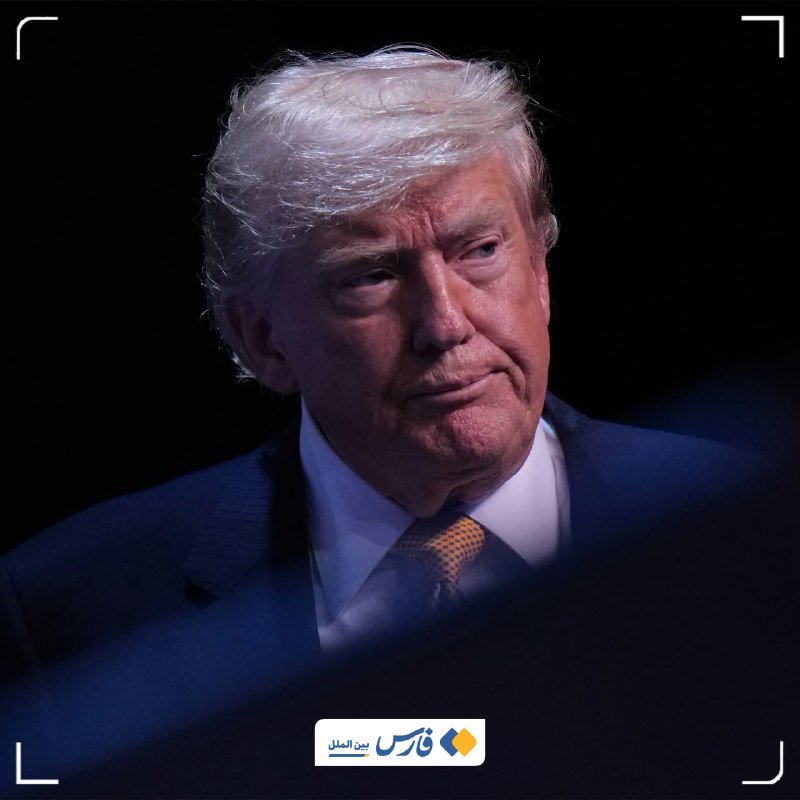
The political framing was supplied by President Trump in remarks carried by Open Source Intel at 22:31 UTC. Asked whether the war with Iran had resumed, Trump replied: "Well, I guess you could define it any way you want but certainly we're beating them up really badly. They have to be beat up." In a separate remark the same minute he added: "The strikes on Iran will continue until I say that's enough." The first line concedes nothing about who started the current round and frames the campaign in personal terms. The second reserves the duration of the war to one man's discretion, which has direct implications for oil markets, Gulf shipping insurance, and the coalition politics of any partner state asked to share the load.
Why Hormuz and Khuzestan, and what it changes
Hormozgan and Khuzestan are not interchangeable targets. Hormozgan guards the Strait of Hormuz, through which roughly a fifth of global oil shipments pass on most days; degrading Iran's ability to threaten that chokepoint, or to operate from it, has been a recurring objective of U.S. planning since at least the 1980s tanker war. Khuzestan, by contrast, sits upstream of the fields and terminals that produce most of Iran's crude. Strikes there hit the revenue stream at its source rather than its export valve. Operating across both in a single evening is the kind of geographic spread that signals intent to coerce the Iranian state rather than to punish a single unit.
The structural frame is the one analysts have been sketching for two decades and that nobody wants to say out loud: the United States can degrade Iran's conventional military, but it cannot easily occupy the country's land mass or replace its government, and every week of sustained operations deepens the question of what the end state looks like. A blockade sharpens that question because it converts the campaign from a sequence of strikes into an indefinite squeeze on Iranian export earnings and import flows. The squeeze will hurt. It will also, on every historical precedent, harden the domestic politics of the targeted state and push it toward asymmetric responses that the original plan rarely budgets for.
What remains contested
The open questions are the ones that decide whether this is a one-week story or a multi-quarter one. The source material does not establish whether Iranian forces have shot back, whether commercial shipping has actually been stopped or merely warned, whether any third-party navy is operating alongside U.S. units, or whether the targets in Khuzestan were energy infrastructure, military sites, or both. The Iranian side of the casualty ledger is unverified, and the early "no casualties, no infrastructure damage" framing in Open Source Intel's posts reads as the channel's first-pass read, not a finding. Until at least one mainstream wire confirms the strike list and the blockade's scope from a U.S. or Iranian government source, every downstream market reaction is being priced on the same thin reporting.
For oil traders, insurers and defence planners the only useful discipline tonight is to read the announcements and the geography separately. The geography says the United States is willing to operate across the Gulf coast and the oil-producing interior in a single evening, which raises the ceiling on what the next week could look like. The announcements say one man decides when it stops. Between those two facts sits the rest of July.
This article was sourced entirely from Open Source Intel's live coverage on Telegram. Monexus will widen the source ledger as wire reporting, Iranian state statements and U.S. Central Command briefings become available.
Wire provenance
This editorial synthesis draws on the following public wire/social posts:
- https://t.me/s/osintlive
- https://t.me/s/osintlive
- https://t.me/s/osintlive
- https://t.me/s/osintlive
- https://t.me/s/osintlive