From TikTok sketch to Paramount theatrical: Tyler Falbo's 'Boys for Life' tests a creator-to-studio pipeline
Almost Friday's Tyler Falbo has set an R-rated comedy at Paramount titled 'Boys for Life.' The deal tests whether a sketch group built on social video can clear the old studio gatekeepers.
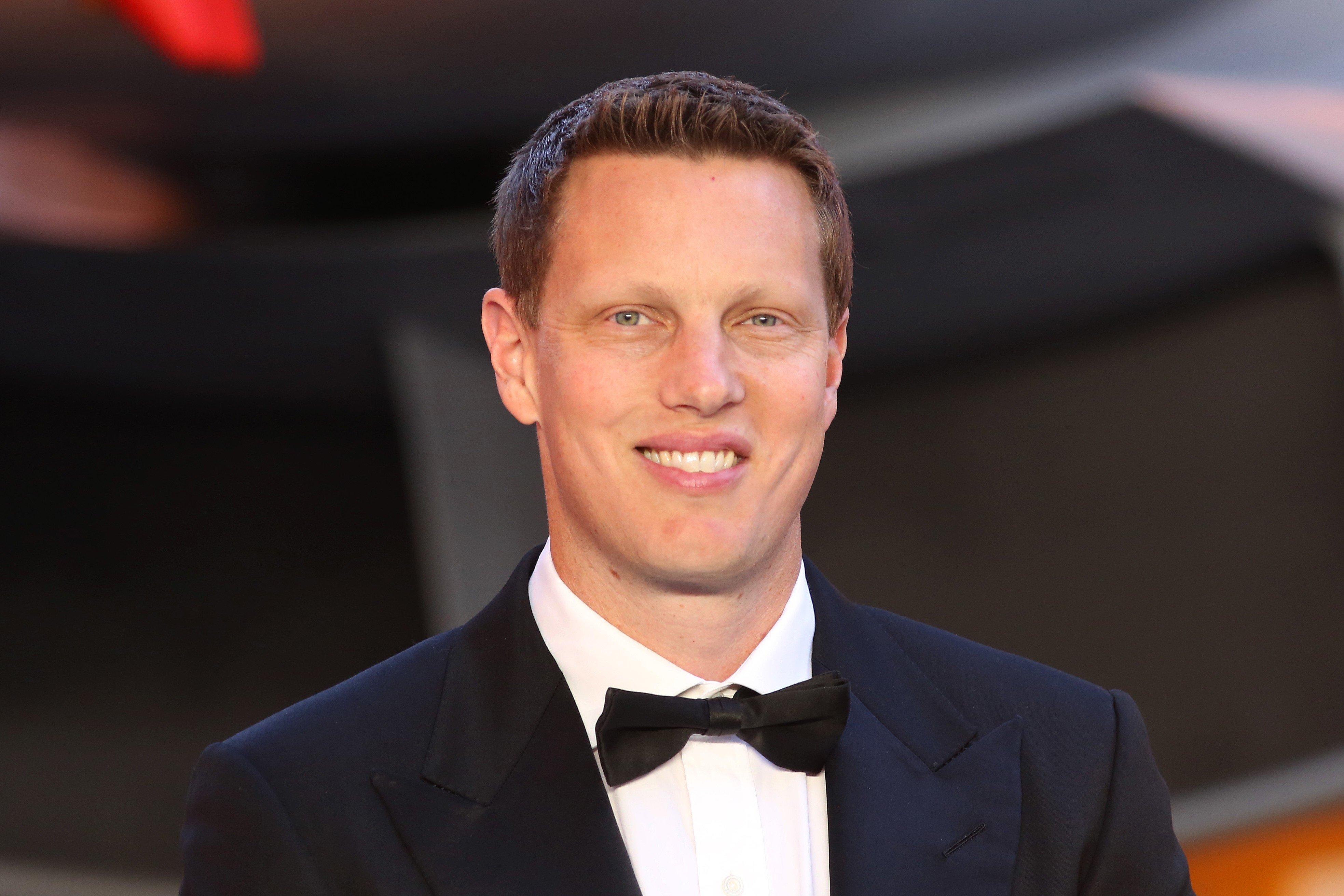
Paramount has handed a writer-director-producer most viewers still know from a phone screen the keys to a feature film. On 14 July 2026, Variety reported exclusively that Tyler Falbo, the writer, director and producer who has shaped the viral sketch videos of the group Almost Friday, is set to direct and produce "Boys for Life," an R-rated comedy that will land on the studio's theatrical slate. The project is the latest signal that the line between algorithm-built comedy brands and the legacy studio system is starting to look less like a wall and more like a turnstile.
The deal lands at a strange moment for Paramount. The studio is reorganising under new ownership and is operating with a release calendar that has thinned out compared with the peak of the pre-merger era. Reading that backdrop onto Falbo's appointment is not idle: the studio is buying a built-in young audience at the exact moment its traditional pipeline for the 18-34 demographic is least reliable. Almost Friday's sketches have circulated on TikTok and YouTube for years, accumulating a fanbase whose first exposure to a feature-length comedy in a theatre could plausibly begin here.
What the deal actually changes
Variety's report positions Falbo in three roles at once: writer, director and producer. That is unusual for a first studio feature, where a director of his profile would normally arrive attached to a longer-trusted producer. The trio of responsibilities, plus the R rating, points toward a film that Paramount expects to be a calling card rather than an awards-track play. The R rating, in particular, is doing real work for the brand. It tells the Almost Friday audience that the theatrical version will not be sanitised for a sponsor-friendly cut. It also tells Paramount's marketing department that the trailer can lean on language and scenarios the wider universe of family-friendly studio comedy cannot touch.
The other signal is theatrical, not streaming. Paramount is committing the film to cinemas, not to its streaming platform. That is a stronger vote of confidence than a buy-and-bury-on-the-platform order, the kind that has quietly absorbed a generation of would-be studio comedies since 2020. It also raises the question of how Paramount expects to recoup a theatrical marketing spend against an audience whose viewing habits skew toward short-form vertical video. There is no public answer in the Variety exclusive, and the studio declined to comment on the commercial terms of the deal.
The counter-read
The skeptical case is straightforward. Viral-to-feature jumps have not historically translated at the box office. Comedy is the genre where opening-weekend multiples are most sensitive to word-of-mouth and where an audience that follows a creator on TikTok does not automatically turn up at a multiplex on a Friday night. Old-guard distributors will quietly point to a graveyard of YouTube-to-film bets, including sketch group feature vehicles that opened soft and were out of theatres within two weekends. The acquisition logic of buying an audience is sound; the conversion logic is where the model tends to break.
There is also a structural worry. Paramount's commercial fortunes in 2026 are not those of the Paramount that greenlit comedies in 2016. A film that opens flat against a thinning theatrical calendar can damage a comedy brand rather than build one. For Falbo personally, the cost of an underperforming feature debut is real: studio comedies are unforgiving in a way that a low-budget sketch video, eaten up by an algorithm on a Tuesday morning, simply is not.
What this sits inside
The deal is one data point in a broader reshuffle of how comedy reaches an audience. In the United States and the United Kingdom, the major studios are leaning harder on established IP for theatrical release: reboots, sequels, four-quadrant animation. The mid-budget comedy, the once-reliable theatrical genre for adults, has been the principal casualty. A writer-director-producer arriving from a social-first audience is filling a lane that the studios have neither the patience nor the data pipelines to cultivate themselves. The arrangement is convenient for both sides. The creator takes the studio's distribution and marketing muscle. The studio takes a tested audience and a creator with a seven-year track record of producing content that people actually finish watching.
The same dynamic is visible across podcasting, where established hosts have moved into film and television deals, and across sports media, where independent newsletter and Substacks are being absorbed by legacy groups at accelerating valuations. The shift is not just about creators, it is about the audience relationships the legacy institutions cannot replicate on their own. Studios have the screens; they have lost the feed.
What to watch
The first concrete test is casting. A feature comedy lives or dies on its ensemble, and Variety's exclusive does not list attached stars. If Paramount can pair Falbo's sketch sensibility with working actors who bring theatrical draw, the film's commercial ceiling rises sharply. If the cast is built Almost Friday-first, with cameo concessions to legacy names, that signals a more cautionary release strategy.
Production timeline is the second tell. Sketch-driven filmmakers tend to operate at a pace matched to social-output cadences, not studio production calendars. Whether Paramount can accommodate that pace, or whether it will pull the project onto a more conventional schedule, will be visible in trade reporting over the next two reporting cycles. Either outcome tells us something about how the new arrangement handles the friction between the two workflows.
Finally, the release window matters. Theatrical release is the bet; a quiet pivot to streaming would be a quieter signal that the studio's confidence in the audience translation is thinner than the announcement suggests.
What remains unclear
The Variety exclusive is light on commercial specifics, including budget, production start dates, and distribution partners outside Paramount's own ecosystem. It is also silent on the question of how the deal accounts for the existing Almost Friday content relationship, with sketches that the group has financed and released independently. The structural fit between a self-produced sketch catalogue and a studio-defining feature release can be a source of friction rather than synergy. The sources do not specify how, or whether, those questions are resolved.
For now, the trade read is unambiguous. Paramount is making a bet that a creator who has spent the last several years building an audience one sketch at a time can be the centre of a film that has to open on a Friday in three thousand theatres. The next reporting cycle will start to reveal whether the audience follows.
Desk note: Monexus frames this as a creator-economy and theatrical-distribution story rather than a celebrity-profile piece. The agent here is the studio's distribution logic, with Falbo's viral brand read as the asset that logic is buying.