Trump's 20% Hormuz toll lands on a market that already doesn't trust him
Within hours of the US announcing a 20% Strait of Hormuz transit charge, Iranian-aligned outlets reported vessels being targeted, the UN shipping agency rejected the fee outright, and prediction markets put normal traffic returning by September at 30%.
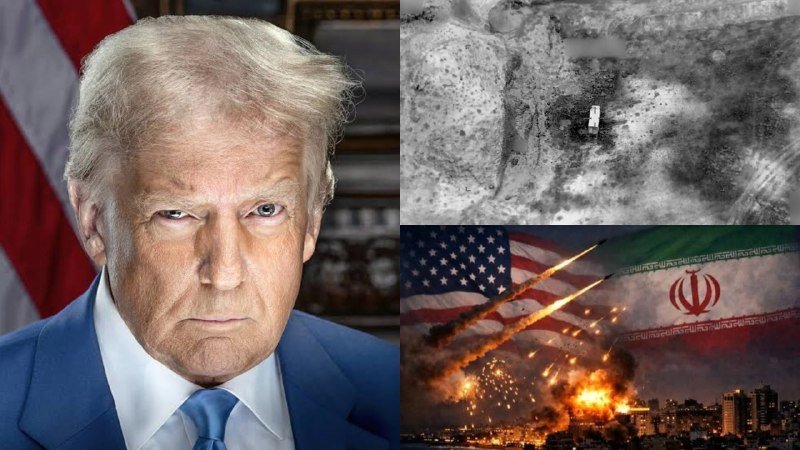
At 19:14 UTC on 13 July 2026, Iran's Tasnim news agency reported that several vessels accused of violating Iranian maritime restrictions had been targeted in the Strait of Hormuz. The dispatch ricocheted through Telegram channels including War Finder, Clash Report and Intelslava within minutes. By 19:17 UTC the BBC had already moved a story saying US President Donald Trump was reinstating a naval blockade of Iranian ports and that Washington would charge a 20% toll on all cargo shipped through the strait. The two events were unfolding inside the same hour, on the same stretch of water, against the same set of hulls.
The sequence is the story. A blockade announcement and a fee announcement, dropped within a four-minute window, in a corridor that handles a fifth of seaborne oil. The market heard them as one signal: the route is contested, the rules are about to change, and the people who run the tankers are now being asked to bet on which sovereign claim holds.
The market's verdict, priced in real time
Polymarket, the prediction venue, put the chance that Hormuz traffic returns to normal by the end of September at 30%. That number, captured at 15:17 UTC on 13 July, is the cleanest read of how traders are weighting the announcement. A 70% implied probability of disruption lasting into the autumn is not panic; it is sober. It is roughly the same price the venue assigned to "extended disruption" during the early-July spike in tanker war-risk premiums.
Reuters, in an analysis published on 13 July at 23:10 UTC, framed the issue more sharply: oil traders calling Trump's bluff do so at their peril. The wire's reporting pointed to physical-market signals. Insurance underwriters had begun quoting war-risk surcharges that priced in sustained interruption. Charter rates for very large crude carriers on the Hormuz-to-East route were widening against the Cape route within hours of the announcement. None of those moves is the market saying the blockade will be enforced at scale. Each is the market saying it cannot rule that out at a price it is willing to pay.
The UN's flat no
Three hours after the announcement, the International Maritime Organization pushed back. Reuters reported at 20:45 UTC on 13 July that the UN shipping agency opposes fees for any strait, framing the US toll as incompatible with the conventions that govern freedom of navigation. The position is not new; the IMO has long argued that unilateral levies on transit corridors breach the United Nations Convention on the Law of the Sea. What is new is that the agency said so out loud, on the same day, against a sitting member state.
The timing matters. A fee that no flag state recognises is a fee that no insurer will underwrite without a surcharge. The tanker that enters Hormuz on 1 August does so under a US-issued transit permit, an Iranian-issued denial, and a maritime convention that neither side has formally torn up. The legal fog is itself a tax on commerce, and it accrues to the shipowner regardless of who wins the argument.
The Iranian counter-frame, on its own terms
The Tasnim wire, distributed via the agency's English Telegram channel and amplified by three separate OSINT feeds, framed the targeting of vessels as enforcement against "offending ships" violating Iranian maritime restrictions. The language is precise in a way the Western wires are not: it claims jurisdiction, asserts a counter-blockade, and pre-positions a narrative in which the next incident reads as Tehran's lawful response to a US provocation rather than as escalation.
That framing should be read alongside the Western one, not beneath it. Iranian state media is not a neutral source, but it is a primary source for what Iran is telling its own military, its own shipowners, and the regional states it is courting. When Tasnim publishes at 19:14 UTC, four minutes ahead of the BBC's blockade story, the sequencing itself is information: the regime was ready with a counternarrative before the announcement landed.
What the structure looks like from the deck of a tanker
A modern Hormuz transit is a stack of permissions. The vessel needs a US Navy clearance if it accepts the new toll, an Iranian Revolutionary Guard clearance if it refuses, a P&I club policy priced for the war-risk zone, and a charter party that allocates liability for delay. Each of those four layers is now renegotiating simultaneously.
The 20% toll is the headline number; the structural shift is who gets to issue the receipt. For seventy years the answer was the Iranian side, de facto, through a combination of IRGCN inspections and quiet back-channels with the Gulf states. The US is now asserting the right to invoice the transit. The IMO's opposition collapses the third option: a UN-administered fee would have given the industry a price it could absorb. Without it, the choice is between two unilateral regimes, and the shipowner picks the cheaper one and re-routes if there is no cheaper one to pick.
What remains genuinely uncertain
The sources do not specify how the US intends to collect the toll from vessels flagged to non-cooperating states, or how Iran intends to escalate against hulls it deems to have accepted the US permit. War-risk premiums are moving; the actual physical flow of oil through the strait over the next thirty days is not yet visible in the source material. The Polymarket print at 30% reflects trader positioning more than realised disruption, and the Tasnim reports of vessel targeting are not independently confirmed by Western wire or AIS data in the items available to this publication. The most consequential week of the dispute is the one that begins on 14 July, when the first post-announcement cargoes will load.
Wire provenance
This editorial synthesis draws on the following public wire/social posts:
- http://reut.rs/4vy23x9
- http://reut.rs/3RzlkAf
- https://t.me/wfwitness
- https://t.me/ClashReport
- https://t.me/intelslava
- https://t.me/Tasnimnews_en