Trump's 20% Hormuz toll lands as BP books an oil-trading windfall
A proposed 20% transit fee on cargo through the Strait of Hormuz meets an Iranian vow to remain sole guardian of the waterway, while BP flags a stronger oil-trading quarter on the same price surge.
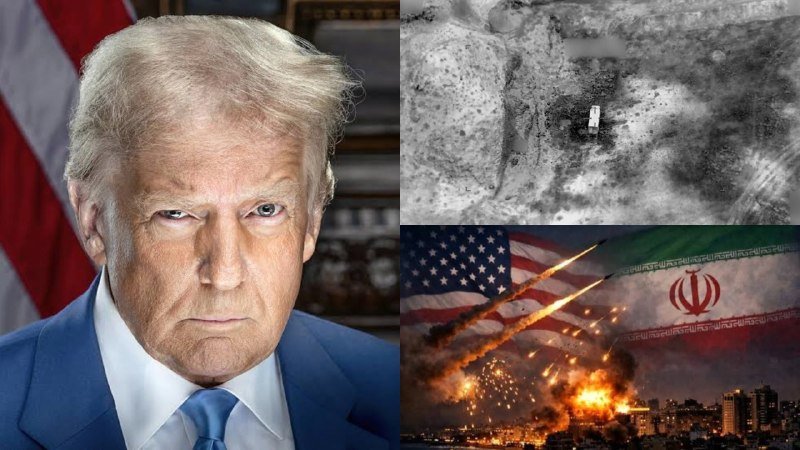
At 09:20 UTC on 14 July 2026, Reuters reported that President Donald Trump had proposed a 20% fee on cargo transiting the Strait of Hormuz, with Tehran responding that it would charge less and would remain the waterway's sole guardian. The same morning, France 24 said Trump was reinstating a blockade on Iranian shipping in tandem with US strikes that have now run into a third consecutive night, and BP told markets it expects oil-trading results to come in slightly higher in the second quarter after a first quarter the company described as exceptionally strong. A single news cycle is now carrying an overlapping set of facts: open kinetic action against Iran, a contested toll regime on the world's most important oil chokepoint, and an integrated major flagging windfall earnings off the price spike that the fighting itself produced.
The pattern is worth pausing on. A blockade and a transit fee are different instruments aimed at the same revenue line. The blockade is a coercive tool, designed to deny Iran the export volumes that fund its regional posture; the fee is an extractive one, designed to convert the US protective umbrella over the waterway into a tariff. Read together, they sketch a maritime order in which Washington, having intervened, expects to be paid for the intervention; Iran, objecting, is signalling a competing offer to shipowners. The chokepoint has become a marketplace, with at least two sellers of security and one buyer class (the world's tanker fleet) caught in the middle.
What we know, hour by hour
The morning's reporting lines up cleanly. At 04:35 UTC, Reuters said the US military had carried out strikes against Iran for a third consecutive night, with Trump announcing a reinstated blockade and the proposed 20% transit fee. At 08:26 UTC, France 24 carried the blockade announcement and the exchange of fire that preceded it. At 09:20 UTC, Reuters specified the 20% figure and Iran's rejection, recording Tehran's claim to remain sole guardian of the waterway. By 10:30 UTC, CGTN summarised both positions under the headline framing "Trump proposes 20% Hormuz toll, Iran says it'd charge less." At 11:35 UTC, the same Reuters wire carried BP's earnings signal, attributing the upgrade to the surge in oil prices tied to the Iran war. Five dispatches, one trading day, one integrated story.
The price mechanics are straightforward to read. BP's trading desk profits when realised prices diverge from forward curves and when physical flows are disrupted; both conditions obtain in an active conflict zone centred on a narrow waterway that handles a disproportionate share of seaborne crude. The company has not publicly quantified the second-quarter upgrade in the wire reporting we have, only described it as "slightly higher" relative to an "exceptionally strong" first quarter. That language, combined with the explicit attribution to Iran-war pricing, is itself a useful read on scale: BP is treating the war as a recurring, contractible trading tailwind, not a one-off.
The toll question, parsed
Twenty percent on cargo transiting Hormuz is a substantial figure relative to the freight economics of Middle East crude. Without an official text or schedule from the Trump administration in the source material, the precise basis on which the 20% would be levied remains a matter of inference. Two plausible read-paths dominate: a tariff on cargo value, which would rival the cost of war-risk insurance premiums that have already climbed through prior Hormuz scares; or a flat per-barrel fee, which would shift the burden more cleanly onto Gulf exporters and their offtake schedules. The Iranian counter-offer "to charge less" does not specify a number; it is a competitive bid for the same revenue stream, dressed up as sovereignty. Shipowners, who hold the actual invoice power, will arbitrage between the two regimes the moment they are enforced, or, more likely, the moment credible enforcement becomes visible.
There is an alternative read worth taking seriously. The 20% is best understood not as a serious commercial proposal but as a negotiating marker, the kind of opening number that anchors a subsequent compromise. That reading is consistent with the Iran response: a competing number, downward, to claim the rhetorical high ground before either side builds the enforcement apparatus that a real toll requires. The structural fact, either way, is that the world's most strategic maritime corridor is now being priced as if it were contested infrastructure rather than neutral commons.
Two sellers of security, one buyer class
The reporting pushes a familiar pattern into sharper focus. When the United States commits naval and air power to keep a trade route open, the historical expectation is that the route remains a public good, accessible to all comers at the cost of fuel and time. Trump is now proposing to convert that posture into a toll road. Iran, with less reach but plausible coercive tools of its own (Iranian-aligned coverage of the response, anti-ship missiles, harassment of tankers), is signalling a discount competitor. Between them sits the international tanker fleet, mostly flagged to third countries and increasingly operated by state-owned or sovereign-backed Chinese, Indian, and Gulf companies whose owners will, in private, weigh the discounted Iranian offer against the US-enforced blockade.
Who wins in that market is not predetermined. Washington's coercive weight is greater, but Iran's geographic weight is fixed and cheap. A toll scheme works only if shipowners believe the enforcer will actually intercept vessels who refuse to pay; a blockade works only if the enforcer is willing to bear the political cost of escalation against a non-paying third party. Neither condition is trivial. The reporting shows the US choosing the maximalist posture (a blockade plus a fee) and Iran choosing the maximalist counter-posture (sole guardian, cheaper fee); the question of whether either side will follow through in cash terms is the one the market, and BP's trading desk, will be watching.
Stakes and what to watch
The stakes are concrete. For Iran, a blockade that bites into oil exports is a direct pressure on state revenue and on the budgets that fund regional partners. For Gulf producers shipping through Hormuz, a 20% fee is roughly equivalent to a new royalty regime imposed by a foreign government. For the United States, the toll proposal is also a fiscal test of whether extraterritorial enforcement can be monetised at scale. For integrated majors like BP, the same conflict sustains a trading tailwind that lifts quarterly results independent of the political resolution.
The wires do not specify casualty figures from the third night of strikes, do not name the targets hit, and do not give the proposed fee's precise text or enforcement mechanism. The five dispatches published between 04:35 and 11:35 UTC are coherent but narrow: a blockade announced, a fee floated, a counter-offer issued, a trading desk upgraded. What remains uncertain is which of these announcements becomes operational. Watch, in order: whether any vessel is publicly held up under the new fee regime, whether Iran's maritime forces visibly step up tanker interactions, and whether BP's second-quarter earnings release, when it arrives, quantifies the trading uplift in a way the morning wire did not. The chokepoint is now a market; the next set of price prints will tell us whether it cleared.
Monexus framed this story as a single market event with overlapping revenue, security, and earnings threads, rather than as two unrelated stories (a blockade and a quarterly trading beat) that happened to share a morning. The wire coverage treated them in sequence; the underlying economics tie them together.