Spain ends France's World Cup run to set up Sunday final against Argentina or England
Goals from Mikel Oyarzabal and Pedro Porro delivered Spain a 2-0 win over France in the World Cup semi-finals, sending La Roja to a Sunday final against the winner of Argentina versus England.
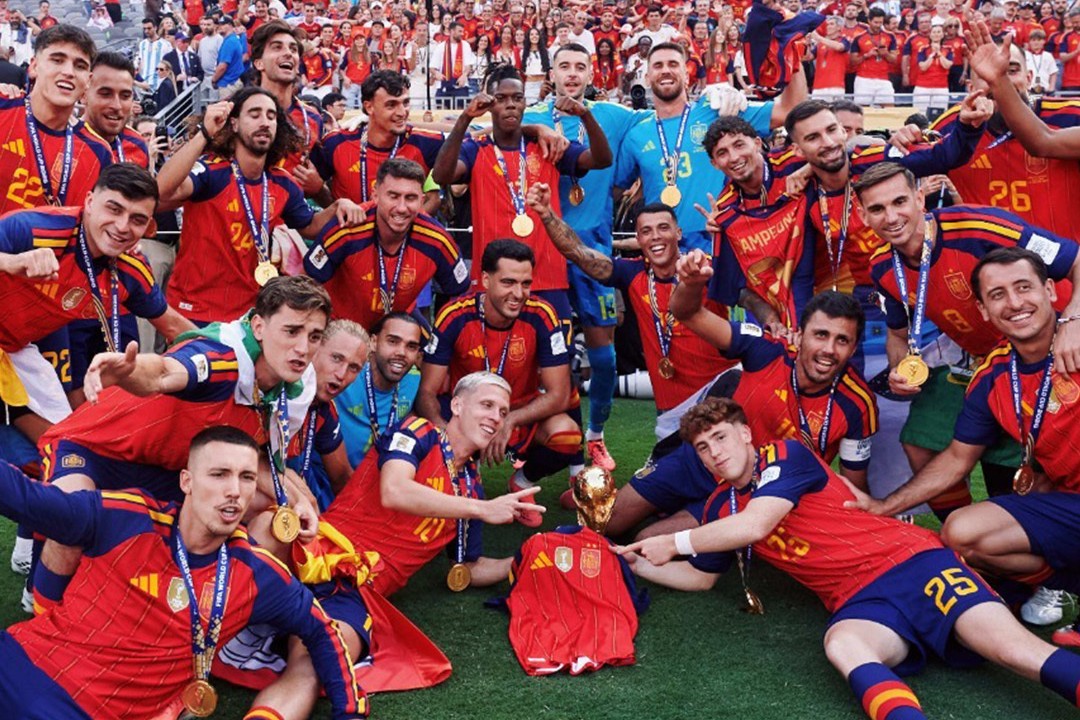
Mikel Oyarzabal and Pedro Porro scored the goals that ended France's World Cup, sending Spain through to the final with a 2-0 victory at the 2026 semi-final stage. Standard Kenya's match report, posted at 21:16 UTC on 14 July 2026, confirmed the scoreline and identified both scorers; BRICS News logged the same result at 20:59 UTC the same evening, framing Spain as officially through and awaiting either Argentina or England. The identities of the two goalscorers and the eventual opponent are the only specifics the two dispatches share, but together they leave no doubt about who is playing on Sunday.
Spain's march into the final, on this evidence, has been a tournament of efficiency rather than theatre. Two goals, clean sheet, no need for extra time: that is the shape of the night according to the available reporting. La Roja's last-week form, the politics of a European side peaking in a North American-hosted tournament, and the way the French attack was blunted will all be argued over in the days ahead. For now, the result stands and the bracket is set.
What the sources actually say
Standard Kenya's 21:16 UTC wire is the more detailed of the two. It names Oyarzabal and Porro as the scorers, gives the 2-0 final, identifies the round as a semi-final, and names the two possible opponents: Argentina or England, with kick-off on Sunday. BRICS News, filed thirty-eight minutes earlier, repeats the scoreline and the finalist pair in its headline and adds the word "officially," suggesting the broadcaster wanted to close the loop in real time rather than wait for an official FIFA line on the broadcast. Both posts treat the result as final. There is no indication in either dispatch of late goals, a red card, or a video review that altered the outcome.
What the sources do not contain is also worth flagging. Neither specifies the minute marks of either goal. Neither names the stadium or city. Neither credits an assist, a manager, or a French goalscorer who was kept quiet. Neither item is a long-form report; both are short Telegram-style bulletins built to push a score and a state of play to a global football audience in near real time. The structural takeaway is that the modern tournament news cycle now runs on this kind of fast, thin, multi-outlet confirmation: two independent channels, posted within forty minutes of each other, agreeing on scorers and opponent, and that is the spine of the public record at this hour.
Why Spain, and why this shape
Spain beating France by two goals to nil is not, on its own, an upset. France arrived at this tournament as one of the seeded powers and Spain as a side rebuilding its identity after a transitional cycle. But the manner matters: a clean sheet against a French attack that included several of the highest-paid forwards in the European game is the kind of result that resets the bracket in the minds of neutrals. Standard Kenya's framing, putting Oyarzabal and Porro first in the line, suggests an editorial view that the goals came from the kind of players a Spanish fan would expect to deliver: one a forward with a long international scoring record, the other a full-back who has spent the last two seasons supplying goals from wide.
The counter-narrative is the obvious one. France are a tournament team who have lost semi-finals before and gone on to win the next one, and they have lost finals and come back. A two-goal margin in a semi-final can flatter the winner. BRICS News's blunt "officially advancing" wording flattens that nuance; it treats the result as a closed book. Standard Kenya is slightly more cautious, pointing to the upcoming Sunday fixture without making claims about Spain's ceiling. The honest read, on the available evidence, is that Spain have earned a final and that the conversation about whether they deserve to be favourites against either Argentina or England is one for the next forty-eight hours, not the next ten minutes.
Argentina or England, and the geopolitics of a final
The Sunday final will pair Spain with the winner of the other semi-final. Standard Kenya names the two possibilities: Argentina, the defending champions from the previous cycle, or England, the side whose run has been one of the talking points of the knockout rounds. Either opponent changes the texture of the final. An Argentina-Spain final is a re-run of a fixture the South Americans have historically edged in major tournaments; an England-Spain final is a less familiar contest and would carry the weight of a generation's worth of English tournament near-misses.
The more interesting structural point sits below the surface. A World Cup hosted in North America, with two European sides and one South American side in the final three, underlines how the tournament's centre of gravity continues to sit outside the host region even as commercial revenues flow toward it. Spain's path through the bracket, on the available reporting, has been a sequence of controlled wins rather than comeback drama, which is the kind of run that does not generate viral highlights but does tend to age well. The other side of that coin is that controlled wins produce thin wire copy: there is less to say about a 2-0 than there is about a 3-2, and the sources reflect that.
What is still open
The Saturday semi-final between Argentina and England has not yet been played at the time of the Spanish wire copy. The kick-off time, the venue, and the broadcast arrangements for that match are not specified in either of the two source items this article draws on, and this publication will not fill those gaps with speculation. The identity of the Spanish manager, the substitutes used, the expected attendance, and the tactical shape of the French side in defeat are similarly absent from the available reporting.
What can be said with confidence is narrow and worth stating plainly: Spain beat France 2-0 in the semi-finals on 14 July 2026, Oyarzabal and Porro scored, and the final will be played on Sunday against either Argentina or England. The rest is for the longer-form coverage that will follow once the other semi-final has been played and the wire catches up.
This article leans on the two Telegram bulletins that broke the result in real time; Monexus will widen the sourcing once the Argentine-English semi-final completes and the official tournament statistics are published.
Wire provenance
This editorial synthesis draws on the following public wire/social posts:
- https://t.me/standardkenya
- https://t.me/bricsnews