A division rival buys the Seahawks, and the NFL's ownership map quietly redraws
Seattle's franchise changes hands to a buyer from inside its own division, the latest signal that NFL team valuations have decoupled from local market logic.
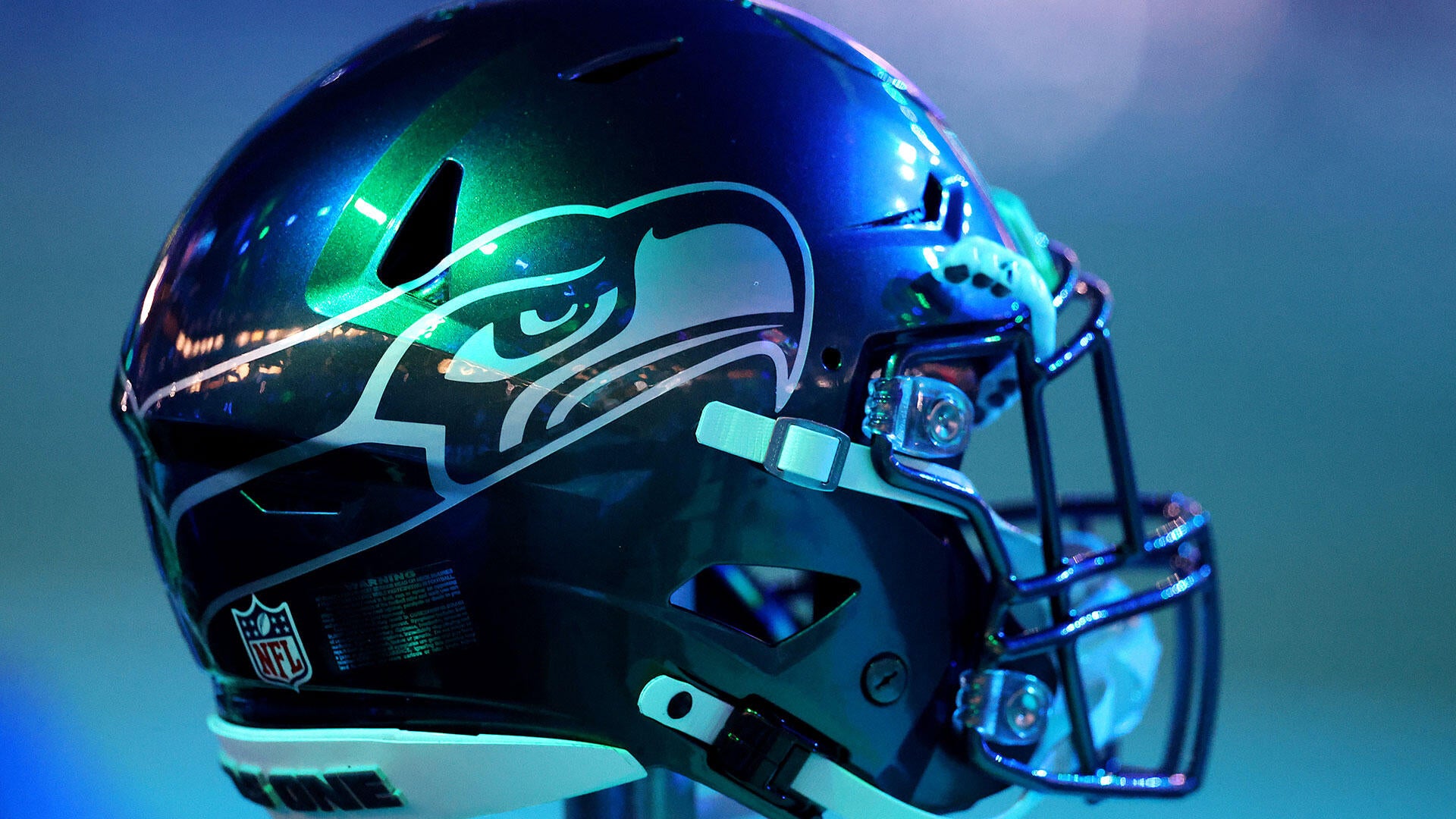
Seattle woke up on 12 July 2026 to a familiar logo with an unfamiliar letterhead. The Seahawks, members of the NFC West since 2002, have a new controlling owner drawn from inside that same division, according to a CBS Sports news roundup published 13 July 2026 at 16:55 UTC. The change does not move the franchise across a state line, but it does redraw the league's most consequential relationships at a remove most fans never see.
What matters is not who bought the team. It is that the buyer came from the rival's bench. Cross-division ownership is the kind of arrangement the NFL's ownership rules were designed to discourage, and it lands at a moment when franchise valuations have stopped behaving like local assets and started behaving like global financial instruments.
The deal, and the rules it brushes against
The NFL's cross-ownership policy is narrower than fans sometimes assume. League rules forbid an owner from holding a stake of more than five percent in a team within their own division, a guardrail that exists so that no single principal can sit across the table from themselves on schedule. The arrangement flagged in CBS Sports' 13 July 2026 bulletin appears structured around that ceiling: a controlling stake in Seattle, with the seller's residual interest kept below the threshold that would trigger league review.
The result is a tidy solution to an awkward problem. The buyer gets the franchise; the league gets the appearance of compliance; and the rival keeps a small piece of the team they will now compete against twice a year. Whether that residual stake is genuine financial exposure or a quiet licensing fee for goodwill is the kind of detail that surfaces later, in proxy filings and minority-shareholder disclosures, not in launch coverage.
Why the rivals could afford it
NFL franchises are no longer priced in local currency. Forbes' 2025 valuations placed the median club above $5 billion; the Seahawks sat in the upper third of that table on the strength of the league's national media rights and a stadium revenue base that has held up through three collective-bargaining cycles. The buyer is not paying out of a regional bank account. They are writing a cheque against an asset class that is treated, by the funds underwriting the deal, as scarce and dollar-denominated.
That distinction matters because it changes what an owner is buying. A regional team is a civic property with a ceiling. A league-positioned asset is a slice of a national media monopoly whose floor rises with every renewal of the broadcast contracts. The next NFL rights cycle, covering 2031 onward, will set that floor again, and every ownership conversation in 2026 is implicitly a conversation about who wants the seat when the price resets.
The structural frame
Sports leagues now behave less like leagues and more like media conglomerates that happen to play games. The shift is not new, but the cross-ownership move in Seattle makes it legible. When a rival buys a neighbour, the impulse is not regional ambition. It is portfolio construction: another revenue stream inside the same media-rights envelope, another lever in the league's national scheduling and sponsorship architecture, another line on a balance sheet that gets shopped to sovereign-wealth funds and family offices in the Gulf, Singapore, and the City of London.
The local-fan angle, the civic-identity angle, the in-stadium experience angle: these remain real, and the league works hard to keep them vivid. But at the ownership tier, the NFL has long since left the geography of its cities behind.
Stakes and what to watch
Three near-term questions sit on top of this deal. First, whether the league's ownership committee ratifies the structure without modification; cross-ownership arrangements tend to draw a second look, and the precise size of the seller's residual stake will be the figure to watch. Second, whether any competing club files a complaint under the league's internal governance process; rival owners have standing to object, even if they rarely do in public. Third, how the new ownership group's regional media plans interact with the Seahawks' existing broadcast arrangements in the Pacific Northwest.
Beneath those procedural questions sits a larger one. If the NFL's ownership rules can be satisfied by structuring a deal below a threshold, the rules regulate paperwork rather than influence. A buyer inside the division is a buyer inside the division, regardless of what the cap table says.
What remains unclear
CBS Sports' 13 July 2026 bulletin flags the sale and the cross-division wrinkle but does not name the buyer or the precise stake structure, and the sources available to this publication as of 14 July 2026 do not specify either. The ownership committee's review, the timing of any ratification vote, and the league's own public statement are the next three documents to watch. Until then, the shape of the deal is the story, and the dollar amounts are not yet on the record.
Desk note: The wire led with the personnel. Monexus led with the structural shift: a rival's cheque is a clean signal of how the league now prices itself.