Sam Neill remembered: a candid witness to cinema, and a life that preferred the farm
Sam Neill, the New Zealand-born actor whose decades-long career spanned Jurassic Park and a string of arthouse turns, has died aged 78. The industry that made him famous was never quite where he preferred to live.
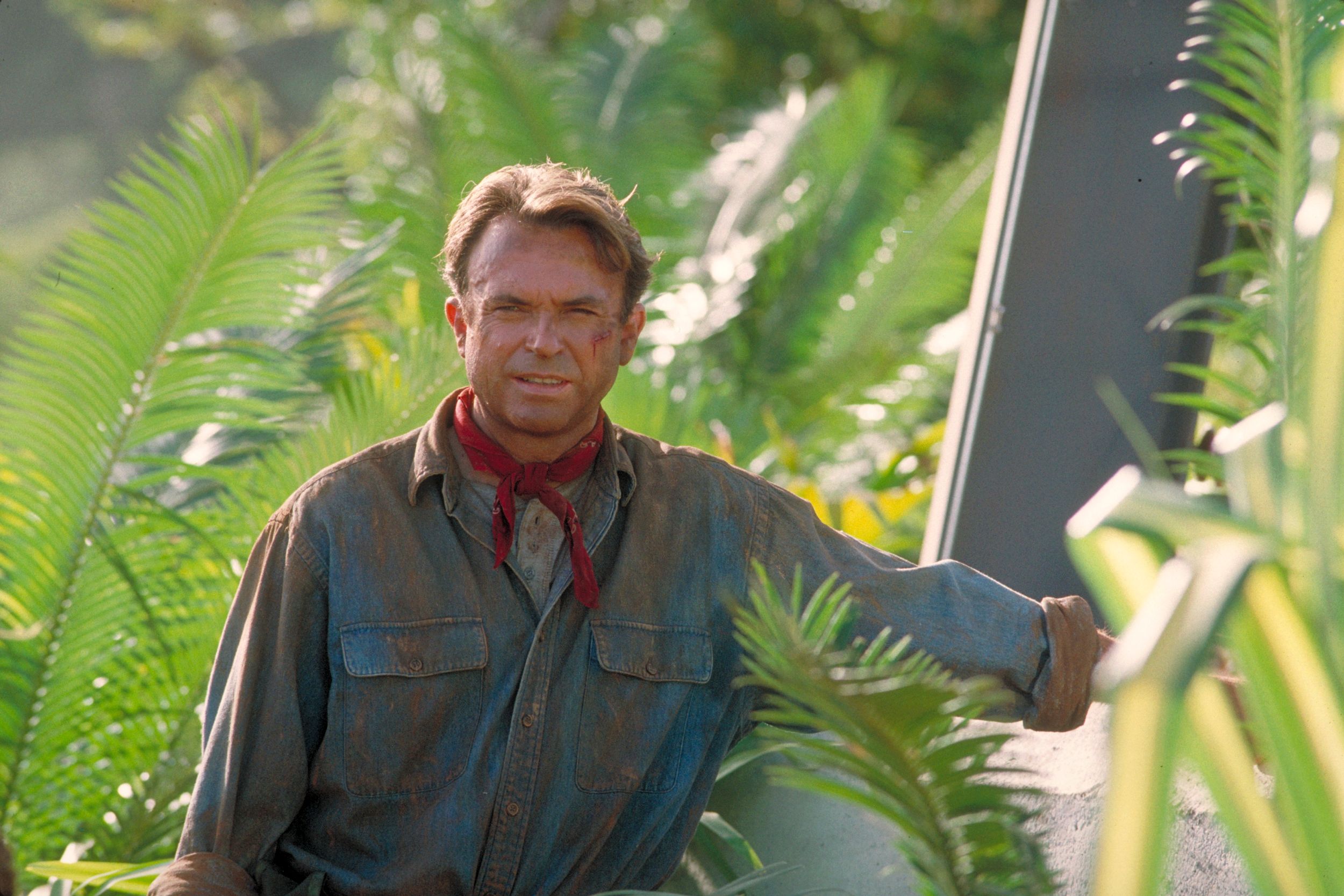
Sam Neill, the New Zealand actor whose screen presence spanned blockbuster franchise, arthouse period drama and quiet rural life in print, has died aged 78. The Guardian's tribute, drawn from a 2024 interview Neill gave to the paper, runs this week with the headline: "I interviewed Sam Neill in 2024. He was even more charming than I'd expected." The actor who carried a generation of filmgoers from a New Zealand vineyard to a dinosaur park has left a body of work that crosses four decades and at least as many continents.
Neill's death closes a career that always sat slightly off-axis to Hollywood. He worked steadily in American, Australian and British productions for decades, but he kept his base in Central Otago, raised pinot noir, and talked about the film industry with the wry detachment of someone who had stopped needing it. That posture, candid rather than cynical, is what the Guardian's profile captures most sharply.
A working actor, not a star
The Guardian piece opens with Neill in conversation about his craft and his refusal to perform celebrity. He was, the interviewer notes, "even more charming than I'd expected": candid about Hollywood, candid about filmmaking, candid about his cancer treatment, and candid about why he preferred life on his New Zealand farm to the machinery of a Hollywood press tour. The framing matters because it is the opposite of how the studio system tends to package its long-serving actors.
By the time the interview was published, Neill was already several years into a public accounting with non-Hodgkin lymphoma, a diagnosis he disclosed in his 2023 memoir Did I Ever Tell You This?. He had returned to work between rounds of treatment, taking on small roles with a frankness that read as a closing of accounts rather than a fresh campaign for leading-man status. The Guardian's 2024 conversation is the last extended sit-down of that period on the public record.
What made him difficult to cast
Hollywood has never quite known what to do with Neill, which is part of why he was useful. He could play a quietly menacing predator and a rumpled gentleman farmer in the same decade. He could carry a thriller, anchor a small independent, and appear, sometimes unbilled, in the middle of an ensemble. He worked repeatedly with Jane Campion, including on The Piano (1993), a role that brought him a wider arthouse audience and a Cannes prize for the film. He could turn up, reliable and slightly weather-beaten, in productions that needed a face the audience trusted without quite being able to name.
That utility came at a price. A-list recognition on the level of the franchise leads he played opposite eluded him. The roles he was offered often required a particular on-screen gravity, which he delivered, and a particular off-screen humility, which he also seems to have genuinely possessed. The Guardian's profile underlines this: Neill's preferred setting was a farm in the south of New Zealand, not a publicity suite.
The farm as a deliberate position
The single most telling detail in the Guardian piece is its closing framing: Neill was more interesting talking about his farm than about his filmography. The interview is structured around his return to Central Otago between jobs, the rhythms of the vineyard, the routine of animal husbandry, and the unglamorous arithmetic of a working agricultural property. He treats film work, by his own account, as something he did to fund the life he actually wanted.
This is a more pointed statement than it first reads. For an actor of his standing, it is a refusal of the standard late-career playbook, which is to lean further into the press circuit, the convention circuit, the streaming-era nostalgia circuit. Neill's position is closer to the older Australasian tradition of artists who keep one foot in the productive economy and treat creative work as a vocation rather than a self-sustaining industry. The Guardian's interviewer reads him as someone who, after a lifetime in the business, has decided that the business is not the interesting part of his life.
What the trade press did with him
Trade coverage of Neill's death has, predictably, leaned on the obvious headlines: the dinosaurs, the franchise, the long career, the New Zealand pinot. The Guardian's choice to lead with charm, with candour, and with the farm, is a deliberate correction. It refuses the standard obituary scaffolding of box-office grosses and "biggest hits" in favour of a portrait of a working actor whose preferred subject was the life he kept off-camera.
That editorial choice is not unique to the Guardian. Other publications have, in their own registers, made the same point: Neill was the kind of actor whose off-screen restraint was part of what made his on-screen presence credible. The studio system wanted him to be larger. He preferred to be specific.
Stakes, and what the record will and will not show
The next round of obituaries will fix Neill in the public memory as one thing or another: the franchise face, the Campion muse, the winegrower. The record will underplay the range, because the record always does. What the Guardian's interview captures, and what the next week of tributes will struggle to match, is the texture of a man who treated his own celebrity as a working condition rather than a vocation.
For New Zealand film in particular, the loss is structural. Neill was part of a generation that put the country's screen industry on the international map without leaving it behind. He worked abroad and returned. He talked about Central Otago the way other actors talk about Malibu. The question now is how that model survives the loss of one of its most visible practitioners, and whether the industry that produced him still produces the conditions for someone to live that way. The sources do not settle that question. They do, however, give a clear picture of the man who answered it for himself: candidly, and at length.
How Monexus framed this: the wire's instinct is to lead with the franchise. We led instead with the farm, on the grounds that the latter is what the actor himself wanted on the record.