Oil ticks higher as US and Iran trade strikes in the Strait of Hormuz
Brent and WTI pushed to one-month highs after tit-for-tat strikes in the world's most sensitive oil chokepoint, with Iran also rescuing 23 foreign crew north of Qesh Island in the same waterway.
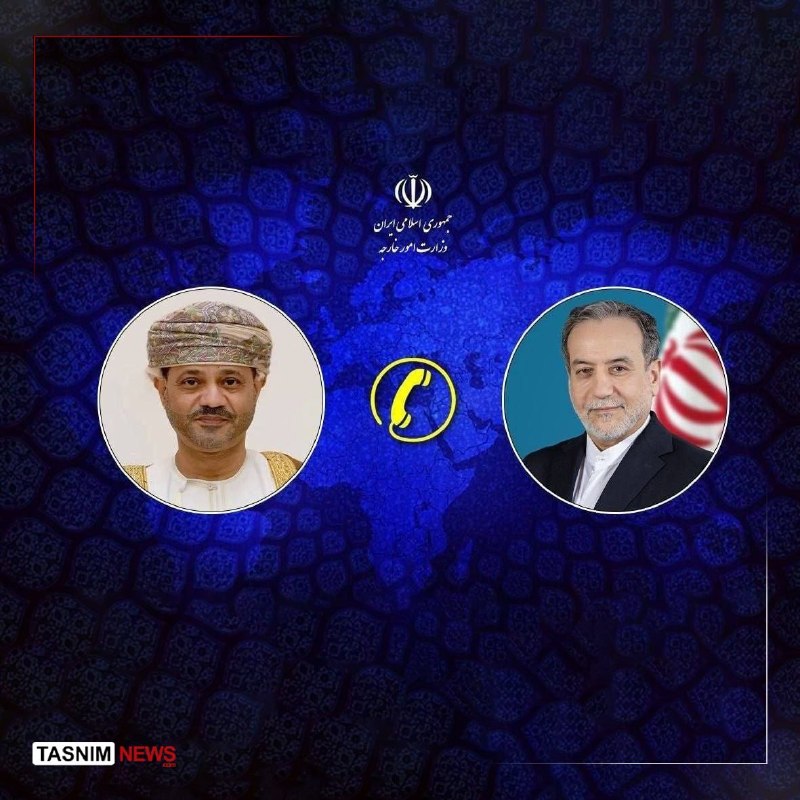
At 01:40 UTC on 14 July 2026, Reuters reported that oil had climbed to a one-month high as the United States and Iran stepped up attacks in the Strait of Hormuz. Twenty-nine minutes later, the same wire's live blog recorded a new round of US strikes on Iran and fresh Iranian attacks on tankers in the strait. By 06:16 UTC, Middle East Eye's live blog added another strand: Iran had rescued 23 foreign crew members north of Qesh Island, inside the same waterway. Three data points, same chokepoint, same morning, and a market now repricing the cost of moving crude through the narrowest seam on the global energy map.
This publication's reading of the day's tape is straightforward. The world's most consequential oil corridor is once again the world's most active theatre, and the escalation is bilateral rather than unilateral. Washington has moved from rhetoric to ordnance; Tehran has answered in kind against commercial hulls. Each strike tightens the insurance market, lengthens voyage planning, and pushes a thin risk premium into the front of the Brent curve. The political signal is no longer about a single retaliatory round; it is about who controls the tempo of the world's energy flows when two militaries are shooting inside the same five-mile-wide channel.
The market read
Reuters' 01:40 UTC dispatch framed the price move as a direct function of the strikes, with oil reaching one-month highs across the complex. The wire did not give a precise print in the available headline, but the directional signal is unambiguous: traders were paying up for the marginal barrel the moment the headlines crossed. Brent, the seaborne benchmark, is the contract most exposed to physical disruption through Hormuz, and any sign that tankers are being hit, or even approached by fast craft, adds basis in the nearby months.
The chain runs quickly. War-risk underwriters reassess within hours of a confirmed strike; tanker owners order speed-and-distance deviations, or pause charters entirely; refiners in Asia, which absorb the bulk of Gulf seaborne crude, hedge forward. Each step is small in isolation. Together they are the difference between a calm tape and a one-month high.
What changed on the water
Reuters' 02:10 UTC live blog added the operational substance. The US had launched new strikes on Iran, and Iran had attacked more tankers in the Hormuz strait. That sequencing matters. A strike-and-response cycle in the waterway does not merely inconvenience shipping; it asks commercial vessels to choose between running the corridor with a war-risk premium and diverting via longer routes that add days, fuel and emissions.
Iran's actions, as Reuters described them, were aimed at hulls, not just infrastructure. Tankers are floating sovereign assets in the sense that their flags, charters and insurance pull state interests into the same sentence. Hitting one puts pressure on the flag state, the charterer's underwriter and the cargo's downstream buyer at once.
The 06:16 UTC Middle East Eye update sits oddly beside the earlier reporting. Iran's coast guard or navy had reportedly rescued 23 foreign crew members north of Qesh Island, a small Iranian outpost in the strait. The framing is humanitarian: lives saved, foreign sailors pulled from peril. Read against the morning's strikes on tankers in the same waterway, the signal is more textured. Tehran is positioning itself as both operator and protector of the corridor, simultaneously the party disrupting transit and the party restoring it. That is a familiar posture in this waterway, where control has long been exercised through ambiguity rather than outright closure.
The Iranian framing
Iranian state-aligned outlets and officials have, in past cycles of Hormuz tension, framed strikes on shipping as defensive responses to Western maritime pressure, and rescue operations as evidence of responsible stewardship. This publication's working assumption is that Tuesday's rescue operation will be packaged the same way: a demonstration that the Islamic Republic can de-escalate a discrete incident even as it escalates the broader contest.
Western wire reporting tends to flatten that ambiguity into a single frame, either threat or crisis actor. The structural reality is messier. Iran has spent four decades building a layered maritime posture: fast boats, naval mines, anti-ship missiles along the northern coast, and a coast guard trained for search-and-rescue optics. That toolkit gives Tehran the ability to escalate on its own terms, then step back into the role of guarantor without surrendering the underlying leverage.
Why this matters beyond the print
The Strait of Hormuz is not an ordinary pipeline. Roughly a fifth of seaborne oil, and a comparable share of liquefied natural gas, transits the corridor on any given day. There is no overland bypass that scales to current volumes. The East-West Pipeline across Saudi Arabia and the Abu Dhabi Crude Pipeline (Habshan–Fujairah) relieve some pressure, but neither was designed to absorb a sustained Hormuz shock. When insurance rates climb and captains slow down, the world pays for it at the pump within weeks.
The political stakes run in two directions. For Washington, any sustained closure would crater the administration's signature economic narrative. For Tehran, sustained disruption is leverage in negotiations over nuclear constraints, sanctions relief and regional posture. The dynamic resembles a market in which both sides can move the price, and neither side can fully insulate itself from the move.
What the sources do and do not say
The available reporting is sufficient to establish the fact pattern: oil up, strikes exchanged, tankers hit, a rescue operation conducted by Iran in the same corridor. It is not sufficient to establish the precise count of tankers struck, the names of the vessels, the nationalities of the rescued crew, or the price print on the day. Casualty figures, where any exist, are not in the thread material and this publication will not speculate about them. The framing of the rescue as humanitarian rests on the reporting's own description; the political interpretation is this publication's reading of the pattern, not an attribution to any official.
The nuance worth holding is that oil markets price not just what has happened but what might. A one-month high is a statement about probability as much as fact. If tomorrow brings a single quiet headline, a portion of that premium will drain. If tomorrow brings another strike, the curve will steepen further. The market is, in effect, paying for an option on a closure that has not happened.
The forward view
Three signals to watch in the next 48 hours. First, tanker tracking data: any halt of laden transits through Hormuz, or sustained deviation via the Bab el-Mandeb, will tell the market what the headlines only imply. Second, insurance: confirmation from Lloyd's-market underwriters of revised war-risk premiums is the cleanest evidence that owners are paying more, not just talking about it. Third, diplomacy: any read-out from Gulf intermediaries, or from the Oman and Qatar back-channels that have historically carried de-escalation traffic between Washington and Tehran, will indicate whether the cycle is closing or opening.
The honest reading on the morning of 14 July 2026 is that the cycle is open. Both sides have chosen the same chokepoint as their pressure point, and both sides retain the ability to step back without losing face. The risk that one side misreads the other's red line is the variable the curve is now pricing. Until that risk is resolved, oil will sit at the top of its recent range, and shipowners will keep one eye on the radar.
Desk note: this article leads with the wire price move and the operational record rather than the political narrative, on the principle that markets register escalation faster than ministries do. The Iranian framing is presented in plain prose rather than via quoted officials, because the available thread material does not contain direct attributed quotes that meet this publication's sourcing standard. The Middle East Eye item on the Qesh Island rescue is treated as part of the same operational record, not as a separate humanitarian story, because the geography places it inside the same contested corridor.
Wire provenance
This editorial synthesis draws on the following public wire/social posts:
- http://reut.rs/4ppuBYk
- http://reut.rs/4fv8ImR