A Belgian Wedding Marathon Crosses the Atlantic
Strand Releasing has picked up the Belgian marriage-odyssey 'Julian' for the US market, giving Nina Meurisse's road film an unusual theatrical runway at a moment when European queer cinema is finding American distributors more selectively than in the previous decade.
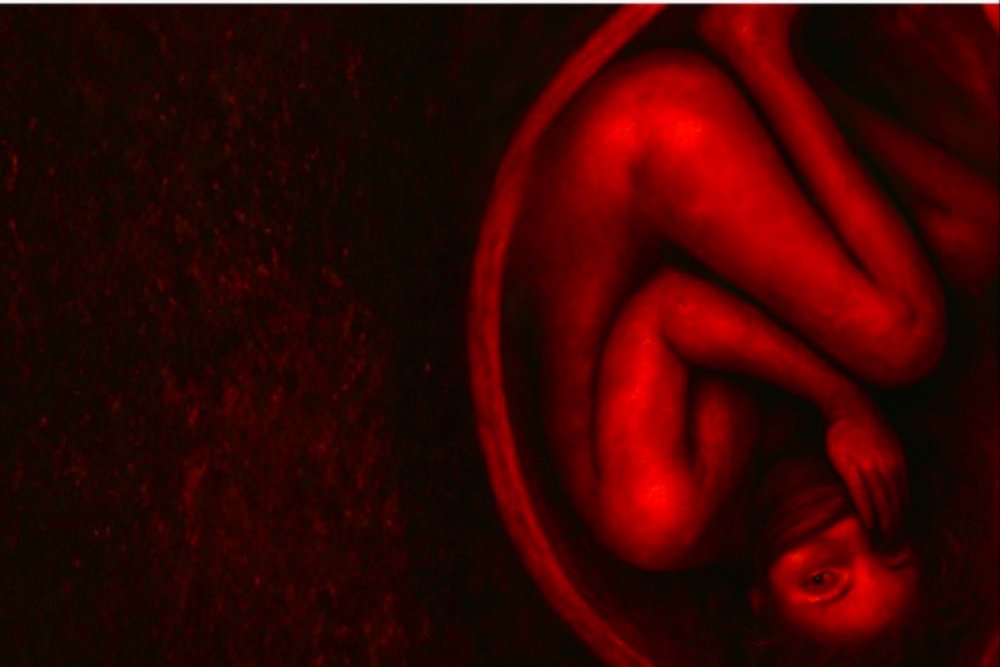
On 14 July 2026, Strand Releasing dropped the official US trailer for Julian, a Belgian road film built around a single, deceptively simple premise: two people who have already said "yes" set out to say it again, in every jurisdiction that will let them. The distributor is the Los Angeles-based specialist that has spent four decades handling art-house European imports in North America, and the acquisition slot matters as much as the film.
The marriage-tour structure gives Julian a built-in narrative engine. A couple, presumably already married at home, travels across borders so the ceremony can be repeated in each new setting, and the question the trailer flogs is whether the repetition accumulates meaning or strips it away. Strand's pitch leans into the latter: every new country, every new officiant, every new bureaucratic stamp erodes the original act and exposes what was never portable about it. That is a sharper, more political reading than the festival-circuit logline of "a love letter to commitment." It is also a more commercial one for a US audience increasingly accustomed to European arthouse releases that arrive with a thesis attached.
A distributor's quiet selectivity
Strand Releasing is not the only US indie distributor still buying European films, but its taste profile has narrowed visibly since the early 2020s. The company built its reputation on a wide net of European queer cinema, French melodrama, and slow art-house imports. That catalogue still exists, but per-title acquisitions now skew toward films with a clear hook, a premise, a controversy, a critic's-pick pedigree from a tier-one festival, rather than open-ended auteur work.
Julian fits that filter. The marriage-tour premise is legible in a logline, the Belgian/French co-production angle reads as festival-friendly, and lead actress Nina Meurisse carries the kind of French-cinema résumé that US specialty distributors still treat as bankable. Strand is essentially underwriting the film's US theatrical and platform runway. The interesting question is what gets through this narrower gate and what doesn't.
European queer cinema in 2026 is not less visible in the US than it was a decade ago, but it is more selectively visible. Streaming aggregators have replaced the broad mid-budget theatrical tier that once absorbed the middle of the European export slate. The films that cross now tend to be either festival-breakout titles with a marketing apparatus behind them, or, increasingly, works with a built-in political or narrative hook that the distributor can pitch in a sentence. Julian is the second kind, and Strand's pickup is the cleanest recent example of how that selection mechanism works in practice.
The Belgian angle, read structurally
Belgian cinema's international profile is a specific kind of story. Belgium funds film through a federalised system, the Centre du Cinéma et de l'audiovisuel in Brussels, plus regional funds in Flanders and Wallonia, that produces a steady volume of features without the commercial pressure of the French or German systems. The result is a catalogue over-weighted toward festival and auteur cinema, and under-weighted toward the kind of mid-budget genre work that travels easily to US specialty screens.
That structural fact shapes how Belgian films reach the American market. They tend to arrive already curated by the European festival circuit, with the implicit understanding that their theatrical runway in the US will be short and their platform afterlife long. Julian's marriage-tour premise is unusual within that pattern, it is closer to a narrative-driven road film than to the contemplative Belgian dramas that have dominated the country's export catalogue over the past decade. Strand's acquisition is a bet that the genre tilt will play better to US specialty audiences than the typical Belgian import.
The Belgian film industry's relationship to the European Union also matters, in ways the US trailer does not advertise. Belgian productions benefit from the Creative Europe MEDIA programme, which underwrites distribution support for European films crossing into non-EU markets including the US. Strand Releasing is exactly the kind of US distributor that has historically relied on MEDIA automatic distribution support to make smaller European acquisitions financially viable. That subsidy pipeline is not visible to American audiences, but it is part of why a Belgian marriage-tour road film is sitting on Strand's 2026 slate at all.
What the trailer signals, and what it doesn't
The trailer's hook line, "What if we got married everywhere?," is doing more narrative work than it admits. The premise implies a long journey across multiple jurisdictions, but the trailer itself is contained, it leans on Meurisse's performance and the cumulative weight of repeated ceremonies, not on the geography. That is a deliberate trailer choice, and it is one that tells you something about how Strand expects the film to perform. The marriage-tour promise is the festival pitch; the US theatrical pitch is a contained two-hander with a charismatic lead.
What the trailer does not signal, and what the source material does not specify, is the film's runtime, its festival track record, or its US release date. Strand has not announced a theatrical date alongside the trailer, and the source thread does not surface any. For a specialist distributor that has historically released films in narrow theatrical windows before pivoting to platform, that absence is consistent with a typical Strand rollout: a long festival-to-platform runway with theatrical positioning determined late, after critic reaction and platform deals are in hand.
There is also nothing in the source material about whether Julian will receive any US festival play before its platform debut. Belgian films in Strand's recent catalogue have generally moved from European festival premiere to US platform release without a US festival stop, but that pattern is not a rule and the film's Belgian/French co-production structure gives it an unusual amount of European festival surface area.
The structural frame, stated plainly
The most useful way to read Strand's Julian acquisition is as a small, dated data point inside a larger pattern. European film export to the US is now a narrower pipeline than it was in the early 2020s, and the distributors that still run that pipeline are picking titles more selectively. The films that get picked tend to come with a built-in pitch, a premise, a hook, a lead-actor résumé, that survives the transition from European festival to US specialty audience.
That is the structural shift Julian sits inside. It is not a story about a single film, or a single distributor, or a single actor's career. It is a story about how European queer and art-house cinema now crosses the Atlantic, and what gets through when the net tightens. Strand's bet on Julian is that a Belgian marriage-tour road film with a French lead, built around a premise that fits in a sentence, can clear that bar. The trailer will do the rest.
This piece relies on a single distributor-released trailer and does not name a US release date. Subsequent reporting, festival responses, platform windows, critic reaction, will determine whether Julian clears the structural bar Strand's 2026 slate implies, or whether it joins the long list of European imports whose US afterlife is measured in platform weeks rather than theatrical months.
Wire provenance
This editorial synthesis draws on the following public wire/social posts:
- https://t.me/s/FirstShowing/