IRGC strikes on US Fifth Fleet in Bahrain hours before scheduled US-Iran accord in Geneva
Iran's IRGC claimed missile and drone strikes on two vessels in the Strait of Hormuz and on the Juffair base housing the US Fifth Fleet, hours before Washington and Tehran were due to sign a peace accord in Geneva.
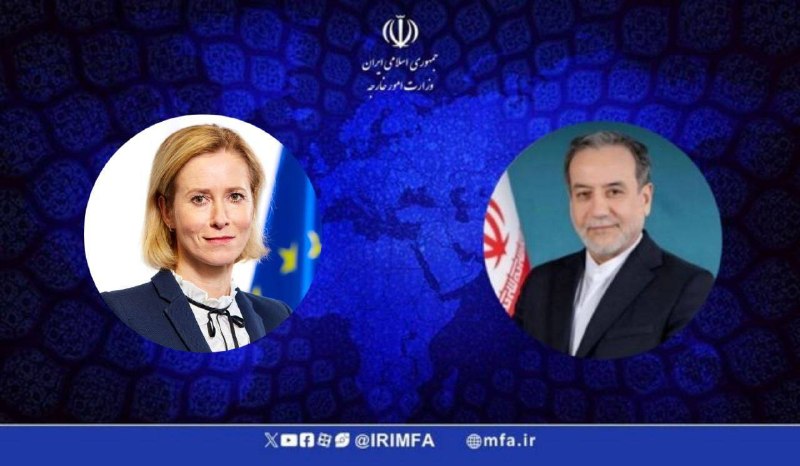
At 04:30 UTC on 14 July 2026, Iran's Islamic Revolutionary Guard Corps claimed responsibility for missile and drone strikes on two commercial vessels in the Strait of Hormuz and on the Juffair base in Bahrain, the onshore home of the United States Fifth Fleet. Sirens sounded across the kingdom minutes later, and explosions were reported on the ground by 06:16 UTC, according to a live blog maintained by Middle East Eye. The attacks came hours before US and Iranian negotiators were due to put their names to a peace accord in Geneva.
The sequence is the most serious test yet of the diplomatic track the two governments have been running for months. If the IRGC's claim of operational reach holds up under US and Bahraini scrutiny, the strikes amount to a direct challenge to American force posture in the Gulf on the very morning a deal meant to dial that posture down was scheduled to be sealed. The Iranian calculus, the Gulf states' exposure and the credibility of Washington's regional deterrence all sit inside one wire this morning.
What happened, in order
Middle East Eye's live blog logged the alerts in real time. The first item, at 04:30 UTC, carried the IRGC's claim of attacks on two vessels in the Strait of Hormuz and on the Juffair base. A follow-up at 04:31 UTC framed the Juffair strike as aimed at the US Fifth Fleet specifically. By 04:37 UTC Bahrain had activated its public-siren system, and at 06:16 UTC witnesses in the kingdom were reporting audible blasts, according to the same live thread. The blog ties the alerts to a single reporting chain: a parallel Middle East Eye live page on the US-Iran accord that names Geneva as the signing venue and Friday as the target date.
The IRGC has not, on the materials available this morning, been independently confirmed as the operator of the Juffair strike. The Bahraini government and US Central Command have not yet been cited in the thread confirming impact or casualties. The two-vessel claim in the Strait of Hormuz sits in the same evidentiary gap: IRGC assertion, no second source, no shipping authority confirmation.
Why Juffair, and why now
Juffair is not a symbolic target. The naval base there has been the operational hub of the US Fifth Fleet since 1995 and currently hosts the forward headquarters of Naval Forces Central Command, the air wing that flies maritime patrol over the Strait of Hormuz, and the screening infrastructure for shipping in the Gulf. A successful strike on the base, even a partial one, would be the most consequential Iranian attack on US military infrastructure in the Gulf since the 2000 attack on the USS Cole in Aden, and the first direct Iranian action inside a Gulf monarchy allied to Washington since 1987.
The timing is what makes the incident read as something other than a routine escalation. The Geneva accord was, per the same Middle East Eye reporting stream, scheduled to be signed on Friday. A strike hours before the ceremony is the kind of move a faction launches when it wants the diplomatic track to fail on its own terms, and the kind of move another faction launches when it wants the deal it cannot publicly oppose to be quietly rewritten under emergency conditions. Tehran's system contains both impulses.
The deal that was supposed to be signed
The diplomatic track the strikes landed on is itself thin. The Middle East Eye reporting names Geneva as the venue and Friday as the signing date, with the United States and Iran as the counterparties, and ties the alerts to a single live page that has been covering the accord in real time. It does not, on the materials available, lay out the substantive terms: no sanctions sequencing, no nuclear-restraint text, no regional de-escalation clauses. The accord is presented as an event, not as a document. That is the kind of diplomatic artefact that is most exposed to a security shock, because there is no public text for defenders to rally around and no agreed text for opponents to violate. There is only a date and a place, and now a siren in Manama.
The absence of confirmed text also makes the political economy of the strike legible. A peace accord that is more a photograph than a treaty can be unmade by a single morning's news cycle. A peace accord that is a 40-page document with a working-group schedule and a sequencing annex is harder to kill from a forward position in the IRGC's missile command. The Geneva deal, as presented this morning, belongs to the first category.
Stakes, and what is still not known
The immediate stakes are operational. A confirmed strike on the Fifth Fleet base would force Washington to answer a question it has avoided for two decades: whether the cost of forward Gulf posture has become larger than the benefit. The Bahraini monarchy, already anxious about Iranian subversion inside its Shia-majority population, would face the harder version of that question on its own soil. The Strait of Hormuz claim, if corroborated, would reach the oil market before the diplomats reached Geneva; a closure of the strait, or even a credible threat of one, repriced Brent within minutes on similar past alerts.
What is not yet known is the part that matters most. The thread material does not record US or Bahraini official confirmation of impact at Juffair, does not name a casualty count, does not cite a shipping authority on the two-vessel claim, and does not record a statement from the Iranian foreign ministry distinguishing the IRGC's operational claim from the negotiating team's diplomatic line. Each of those gaps is, on the materials available this morning, a separate story waiting to be written. Each of them also narrows the field of plausible reads of the morning: the strikes are either a serious act of war by one Iranian faction against another, a provocation designed to be disowned, or a disinformation drop from a third party using IRGC branding. The diplomatic track in Geneva will, in the next 24 hours, tell us which.
This publication's framing note: the wire coverage of the Juffair alert is, at the time of writing, sourced primarily to Middle East Eye's live blog, which has aggregated IRGC claims and on-the-ground witness accounts but does not yet carry US Central Command or Bahraini government confirmation. Monexus is reporting the alerts as logged and the IRGC claim as a claim, and will update the ledger once independent confirmation, casualty figures and the Geneva signing status are in the public record.
Wire provenance
This editorial synthesis draws on the following public wire/social posts:
- https://www.middleeasteye.net/live/live-us-and-iran-confirm-peace-accord-signing-set-friday-geneva
- https://www.middleeasteye.net/live/live-us-and-iran-confirm-peace-accord-signing-set-friday-geneva
- https://www.middleeasteye.net/live/live-us-and-iran-confirm-peace-accord-signing-set-friday-geneva
- https://www.middleeasteye.net/live/live-us-and-iran-confirm-peace-accord-signing-set-friday-geneva
- https://www.middleeasteye.net/live/live-us-and-iran-confirm-peace-accord-signing-set-friday-geneva
- https://www.middleeasteye.net/live/live-us-and-iran-confirm-peace-accord-signing-set-friday-geneva
- https://www.middleeasteye.net/live/live-us-and-iran-confirm-peace-accord-signing-set-friday-geneva
- https://www.middleeasteye.net/live/live-us-and-iran-confirm-peace-accord-signing-set-friday-geneva