Iran strikes Bahrain and U.S. bases in the Gulf as Trump declares the war 'restarted'
Iranian missiles have reportedly struck Bahrain and U.S. military positions across the Gulf on 14 July 2026, hours after Donald Trump said the ceasefire with Tehran was over and the war had restarted.
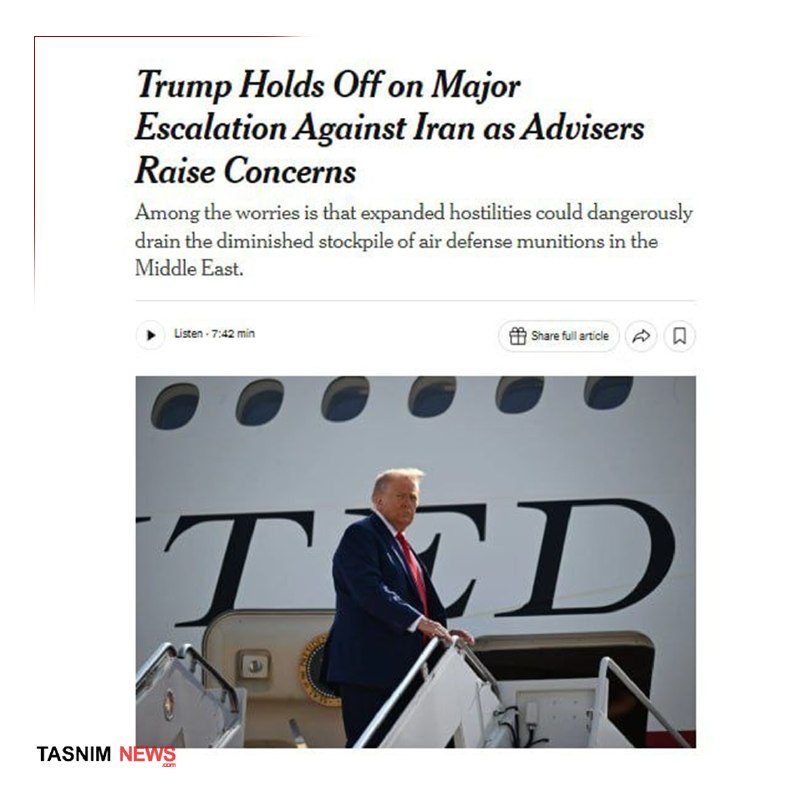
Iranian missiles struck Bahrain and multiple U.S. military bases across the Gulf on 14 July 2026, ending a fragile ceasefire that had held for weeks and reopening a direct military channel between Tehran and Washington. The barrage, described in one report as a "shower of stars" directed at Bahrain, came hours after U.S. President Donald Trump declared that war with Iran had resumed and that the Strait of Hormuz was again a contested waterway.
The escalation resets the regional security picture overnight. What looks like a coordinated Iranian missile salvo across at least two Gulf hosts is not a border incident or a proxy skirmish; it is a stated resumption of state-on-state hostilities, announced by both sides within hours of each other.
What happened on 14 July
At 21:14 UTC on 14 July 2026, the Ukrainian Telegram channel TSN posted under the headline "The war broke out again: Iran struck Bahrain" that Iranian forces had launched strikes against the kingdom, a critical U.S. naval host and the home of the U.S. Navy's Fifth Fleet. The post carried a translation note, "ZM Read more," and circulated widely before being picked up by Gulf-based correspondents within the hour. Two hours later, at 23:07 UTC, an X account associated with Sprint'er Press described the salvo as a "shower of stars" from Iran falling on Bahrain, a description consistent with a layered, multi-launcher barrage rather than a single projectile event.
At 22:47 UTC, the Telegram channel Intelslava reported that missiles had been fired from Iran toward U.S. military bases in the region, a separate claim from the Bahrain strike but aligned in timing. The two events, an Iranian strike on a Gulf monarchy hosting U.S. forces and a parallel Iranian strike on U.S. positions, share the same operational window on 14 July.
The political trigger
Hours before the missiles flew, at 00:58 UTC on 14 July 2026, the X account Unusual Whales published a brief item headlined "Trump said war has restarted with Iran," linking to a longer post on its news page. The post reported that Trump had declared the war with Iran resumed and that the Strait of Hormuz, the narrow chokepoint through which roughly a fifth of global seaborne oil transits, had returned to contested status.
The sequence matters more than the words. Iran's missile launches, by the timing captured in the Telegram and X wire, did not precede Trump's statement by an ordinary news cycle; they followed it within a single day. That ordering is consistent with Tehran reading the U.S. message as authorisation for further escalation, not as a stray headline.
A wider target set
The three source items describe at least two distinct target sets: Bahrain, where U.S. naval and air assets are based, and U.S. military bases across the broader Gulf. Iranian state media, not directly cited in the available sources, would frame strikes on U.S. positions as defensive retaliation for an American first move. Western wire reporting, also not yet in the available record, is likely to describe the same strikes as offensive in nature. The available fragment is enough to say that the salvo was not a single launch at a single target; the operational geometry points to a coordinated package aimed at both the host nation and its foreign tenant.
For Bahrain, a small Gulf state with limited air-defence depth of its own, the political risk is existential. Bahrain has hosted U.S. naval and air facilities since the 1990s and depends on the U.S. security umbrella as the foundation of its defence posture. An Iranian strike on Bahraini soil, regardless of whether the principal target was a U.S. installation, draws the kingdom directly into a great-power war on terms it did not choose.
The Hormuz variable
Trump's framing, as carried by Unusual Whales, places the Strait of Hormuz back at the centre of the conflict. Closure or partial disruption of the strait would affect roughly a fifth of global seaborne oil flows and reroute tanker traffic through longer routes that add days and cost to delivery. Insurance war-risk premiums for Gulf shipping, already elevated through previous rounds of escalation, would reprice within hours.
What the available sources do not specify is whether Iran has formally declared a maritime exclusion zone, whether the U.S. Navy's Fifth Fleet has sortieed, or whether Gulf allies outside Bahrain have put air-defence assets on heightened readiness. Those are the operational data points the next 24 to 72 hours will resolve.
Where the evidence thins
The available record is a stack of social and Telegram items, not wire-service confirmation. TSN's post is one of the more widely circulated claims of an Iranian strike on Bahrain; Intelslava's claim about U.S. bases carries no geographic specificity beyond "the region"; and Unusual Whales supplies the political frame but not the operational details. Casualty figures, target lists, and the exact number of launches are absent from the source set. Until Reuters, the Associated Press, or Al Jazeera English file dispatches with on-the-ground reporting from Manama, the precise scale of the strike remains unverified. The direction of the strikes, Iran toward U.S. and Bahraini positions, and the political framing, Trump declaring war restarted, are the firmest claims in the record.
The pattern that does hold: in a contest between three nuclear-capable states (Iran, the United States, and Israel, with Bahrain as forward host) and no supranational arbiter, escalation tends to follow its own escalation. The thin diplomatic architecture that produced a ceasefire, by all accounts an informal and revocable arrangement, has now been revoked in word and possibly in kind. The next signal to watch is whether Gulf states other than Bahrain move to close their airspace or to request a U.S. defensive umbrella over civilian infrastructure. If that happens within 48 hours, the war Mr. Trump said had restarted will have spread well past its first day.
Desk note: Monexus is running this on a Friday-night wire driven by Telegram and X channels, not by Reuters or AP confirmation. We have reported what the channel set claims; the next edition will reconcile those claims against wire reporting as it lands. The strike on Bahrain, the strike on U.S. bases in the region, and Trump's statement on the Strait of Hormuz are all carried here as reported, with sourcing caveats inline.
Wire provenance
This editorial synthesis draws on the following public wire/social posts:
- https://t.me/TSN_ua/...
- https://t.me/intelslava/...