Eight sluggers, one swing: inside a 2026 Home Run Derby that doubles as a DraftKings billboard
A field built around Bryce Harper and a deep young core arrives in a betting environment where even a $5 wager turns into a $200 marketing display.
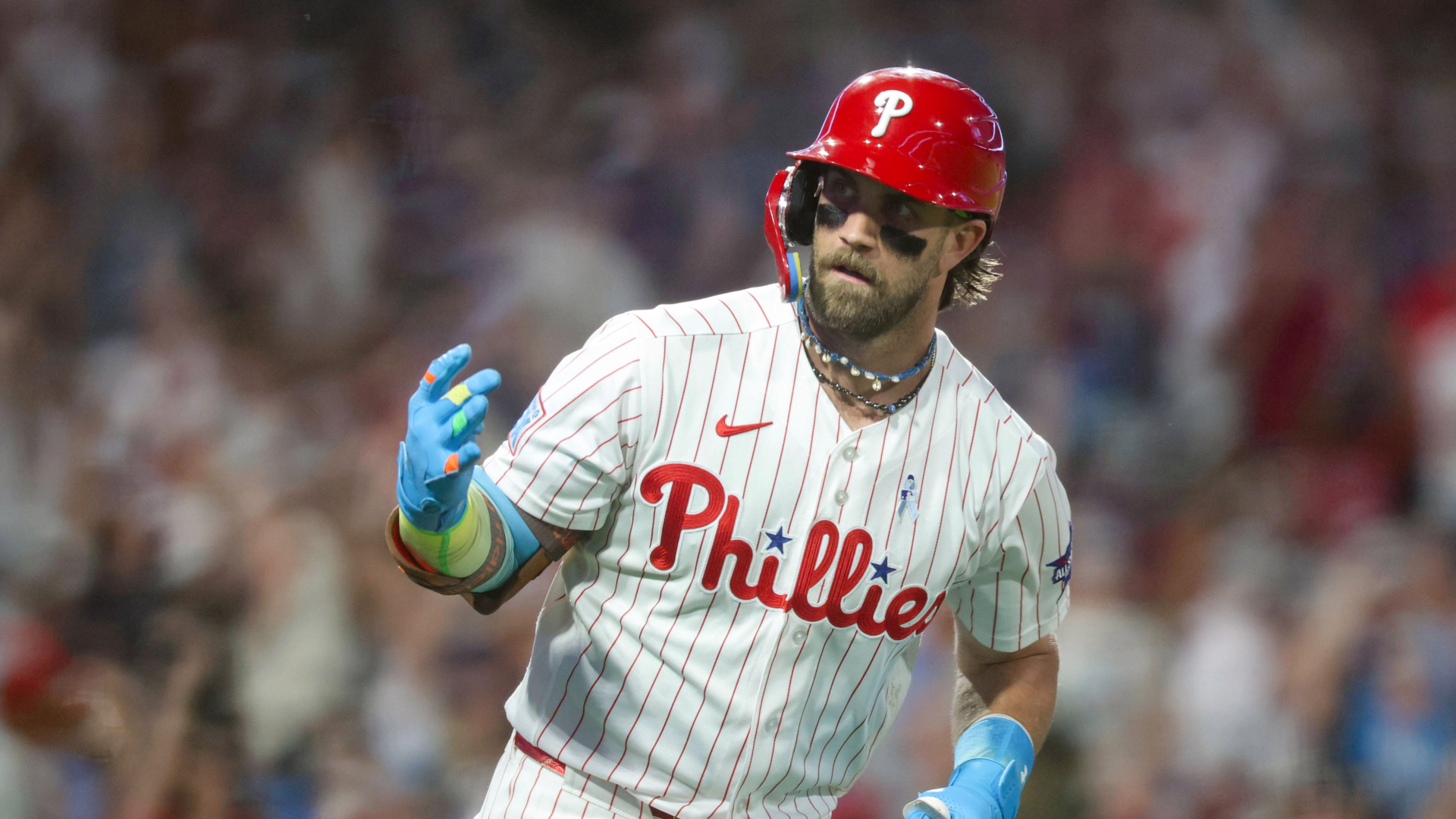
The bats get unpacked on Monday, 13 July 2026, when the 2026 MLB Home Run Derby sends eight of the league's heaviest right-handed thumpers into the batter's box in a made-for-television sprint to fifty-something dingers. The headline act is Bryce Harper, a two-time MVP with a Derby résumé that began in his rookie year. Around him sit the new generation: Tampa Bay's Junior Caminero, the Yankees' Ben Rice, Kansas City's Jac Caglianone, and four others whose combined stat lines make this the deepest field the event has staged in years, per CBS Sports.
The Derby is no longer just a side show on All-Star Monday. It is a production fused to a sportsbook promo. DraftKings is offering $200 in bonus bets instantly after a customer's first $5 wager, a structure explicitly tied to the Derby and the two young sluggers CBS flagged as primary marketing hooks. A viewer in Atlanta, a bettor in Phoenix, and a kid in Omaha are all looking at the same banner: bet five, get two hundred.
The field, the format, the fatigue risk
The eight-man roster mixes two former MVPs in their mid-thirties with a half-dozen bats who have not yet collected enough plate appearances to qualify for most statistical leaderboards. That age split is the story CBS's expert picks lean on: experience against the league's new power arms, with a swing-off bonus round layered on the standard timed format. The pick piece notes the absence of a clear-cut favourite, which historically is what makes the final three swings watchable: the Derby devolves into whoever has the freshest hands at minute three.
Caminero and Caglianone are positioned in the coverage as the two young bats most likely to push the round count past forty. Caglianone's appeal is his contact-heavy swing translated to the game's largest parks; Caminero's is opposite-field authority on pitches that used to be called balls and are now, increasingly, middle-middle strikes under the new launch-angle orthodoxy. The format favours hitters who can get to forty in two timed rounds without taking a single walk. None of the participants are pitchers, which matters less than it sounds; the Derby has not been a relief-pitcher showcase since its early-2000s reboot.
The second-order question is workload. All-Star Week is now compressed, the regular season stretches from late March into the back half of September, and the Derby sits between a Sunday workout day and a Tuesday showcase. Players have, in past years, cited post-Derby fatigue as a factor in sluggish second halves. That risk is real, but it is a personal-budget question for each of the eight, not a league-mandated one.
The promo and the price of attention
The $200-in-bonus-bets offer is a DraftKings customer-acquisition move dressed as a Derby headline. A $5 first bet triggers $200 in bonus funds, which can be staked on Monday's round but cannot be withdrawn as cash. The effective conversion rate for the sportsbook is the cost of that bonus stack amortised against the lifetime value of a new account, which industry reporting consistently puts in the low-hundreds-of-dollars range. The Derby is the bait. The baseball season that follows is the real product.
The integration is more explicit than it used to be. The promo is named in CBS's pre-event coverage alongside the sluggers themselves, and the imagery the sportsbook pushes on the same Monday includes a baseball-flag visual that will run across broadcast and digital placements. The sportsbook is buying eyeballs in a market that has been opening state by state since 2018. The Derby is the cleanest funnel the league offers: a discrete, three-hour event, a clear winner-loser binary, and an audience that skews casual.
What the book is hedging against
The risk for DraftKings is not a bad Derby. It is a boring one. A round that finishes in under two hours, with no bonus-round swing-off, pulls the audience away from in-app betting at exactly the moment the funnel is widest. The promo's design reflects that: $5 in, $200 out, structured so the second-screen bettor has funds parked in the account through the rest of the week, when the real baseball resumes and the All-Star Game itself takes centre stage.
For the players, the trade is different. The Derby pays in exposure and in soft sponsorship currency. For the league, it pays in a Monday-night audience that does not require a marquee matchup to tune in. For the sportsbook, the same Monday pays in new account openings, with the rest of the season's handle as the actual prize. The sluggers are the headliners. The bettor is the customer. The two are now the same person on a single landing page.
Stakes and the week ahead
The Derby concludes Monday evening in the United States, with the All-Star Game following on Tuesday 14 July 2026. Whether the field produces a 60-homer round or a quick thirty-something coronation will not change the structure underneath: an eight-man showcase fused to a sportsbook funnel, with the league's television partners and its gambling partners extracting value from the same eyeballs in different denominations. Harper's chase for a third Derby title is the human frame. The promo is the business frame. Both are running on Monday at the same time.
Desk note: Monexus framed the Derby through its convergence with the DraftKings promo, since the two are packaged together in the pre-event coverage; a purist preview would have led with the field, not the bet.