32 years on, USA 94 still bends the path toward 2026
As the 2026 FIFA World Cup match schedule hardens into a 48-team, three-country itinerary, the first American tournament keeps reappearing in every blueprint, and every argument about who the modern game is for.
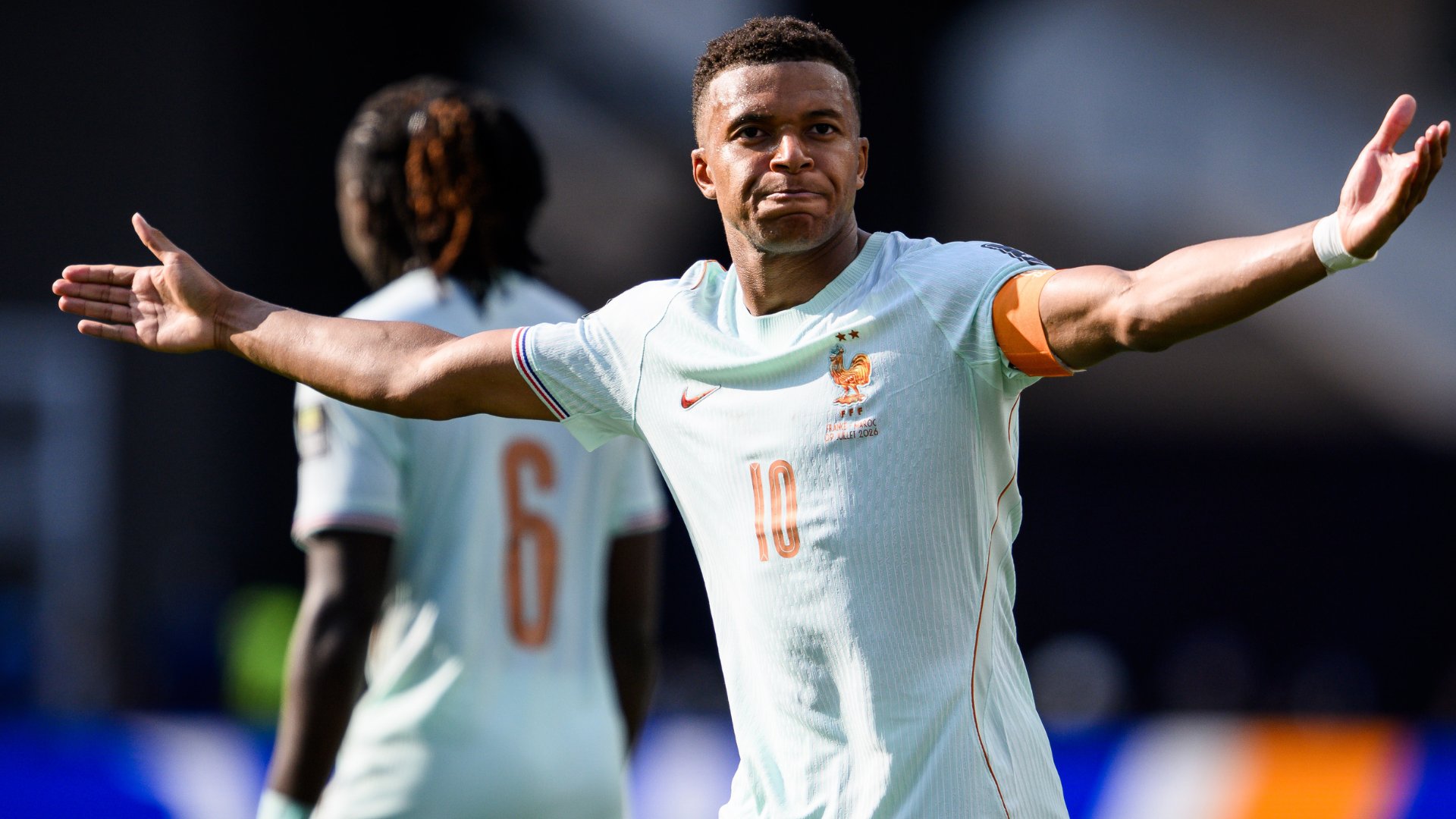
On 13 July 2026, the Guardian's sports desk published a quiz asking readers how much they remember about the 1994 World Cup, the first edition staged on American soil. The question lands at a precise moment. ESPN's full fixtures list for the 2026 FIFA World Cup, last updated on 12 July 2026, runs to 104 matches spread across the United States, Mexico and Canada, a tournament whose scale has no precedent and whose organisational debate has no end. Between the trivia prompt and the bracket, the story of the modern World Cup is mostly the story of 1994.
The contention worth tracking is not whether the 1994 tournament was good or bad as a spectacle. It is that every structural decision made in the run-up to 2026, the 48-team field, the three-host format, the broadcast-first scheduling, the suburban stadium portfolio, exists because the experiment that began on 17 June 1994 worked. The argument now is whether three host federations can carry what one federation did for the first time 32 years ago.
The template nobody planned
USA 94 was, in the official record, the first World Cup decided by a final played on a weekday afternoon to suit American prime-time television. Brazil beat Italy on penalties at the Rose Bowl in Pasadena; Romário took the Golden Ball; the tournament reported a record attendance and a record broadcast audience for the competition, figures FIFA has used as evidence ever since. The Guardian's quiz, framed as nostalgia, does the same work: it assumes the reader remembers Mastroeni and Preki and the night the United States men's national team reached the round of 16 at Giants Stadium, and proceeds from there.
What the template handed forward was narrower than the marketing. Three structures embedded themselves. First, a stadium portfolio drawn from the NFL map: huge, optically impressive, half-empty outside marquee fixtures. Second, a fixture calendar optimised for transatlantic broadcasters, with afternoon kick-offs that turned European late-mornings into watchable television and American afternoons into cable windows. Third, a commercial posture in which FIFA accepted that the tournament's deliverable was not gate receipts but audience minutes, a logic that has only hardened since. ESPN's 2026 fixtures list, which now reads as a rolling ledger across 16 host cities, repeats each of those choices, simply at higher volume.
The expansion that 1994 invited
Seventeen teams played in USA 94. Twenty-four played in 1998. The 2026 tournament expands to 48 and, accordingly, to the 104-match format published by ESPN on 12 July 2026. The growth is not an aberration: it is the cumulative decision of four decades to treat the World Cup as a global broadcast property first and a sporting competition second. The Guardian's quiz treats this with the ambivalence of an institution that has reported both halves of the trade, the emotional heft of the football itself and the steady beat of expansions that dilute it. The piece does not take a side; it trusts the reader to notice the contradiction.
The counter-story runs through the venues. The 1994 edition leaned on the Cotton Bowl, the Rose Bowl, Soldier Field, Stanford, the Pontiac Silverdome. The 2026 edition runs from Inglewood to Monterrey to Toronto to Atlanta's Mercedes-Benz Stadium, with matches listed in Kansas City, Nashville, Miami, and Arlington, Texas among others. That is a different operational footprint, not a different sport, and it changes the cost structure, the travel footprint for players, and the deal FIFA can offer host federations.
The three-country question
What 1994 did not have to answer was what happens when the tournament becomes too large for one country to absorb. The 2026 format, published by ESPN on 12 July 2026, delegates the load across three national federations and three television markets for the first time in the men's competition. The arrangement is a partial vindication of the original United States argument, that a continent was a market, applied across a political border that did not exist in 1994. It also produces new fault lines: language, broadcast rights splits, immigration logistics for fans, and the question of how a single trophy ceremony will be allocated.
The structural frame, in plain editorial terms, is that the World Cup has become an exercise in selling a smaller and smaller share of meaningful minutes to a larger and larger audience. That has been FIFA's trade since 1994: more games, fewer of them decisive, more markets reached, fewer matches remembered. The trade buys stadiums and broadcast renewals and political leverage across three continents. It also buys, fairly or not, the kind of post-tournament disenchantment that USA 94 did not face because no one in 1994 expected the tournament to be good.
What is and is not settled
One thing to watch: the 12 July ESPN schedule is authoritative for fixtures and dates, but the broadcast-rights matrix behind each match window remains the lever that determines kick-off time. A 48-team field does not by itself deliver better football; it delivers a longer negotiation about how football will be packaged. The Guardian's quiz, unsurprisingly, asks readers to recall a tournament that knew what it was, even if what it was turned out to be smaller than the global product the 2026 edition is meant to be.
The honest version of the counter-narrative is that everything the 2026 tournament will test about itself was tested first in 1994, with a fraction of the variables. The unresolved question is whether the answers generalise at three times the size. The sources do not specify. They leave the question, like USA 94's most enduring image, half-remembered.
This piece draws its factual scaffolding from the Guardian's USA 94 quiz and ESPN's 2026 FIFA World Cup match schedule, the two wire items the desk ingested. The editorial frame is this publication's own.