US missile stockpiles strained as another round of Iran strikes reopens readiness debate
A CNN inventory review lands the same week that Tehran's proxies are hit again, sharpening a quieter question: how many interceptors and cruise missiles does Washington actually have left, and how fast can they be rebuilt?
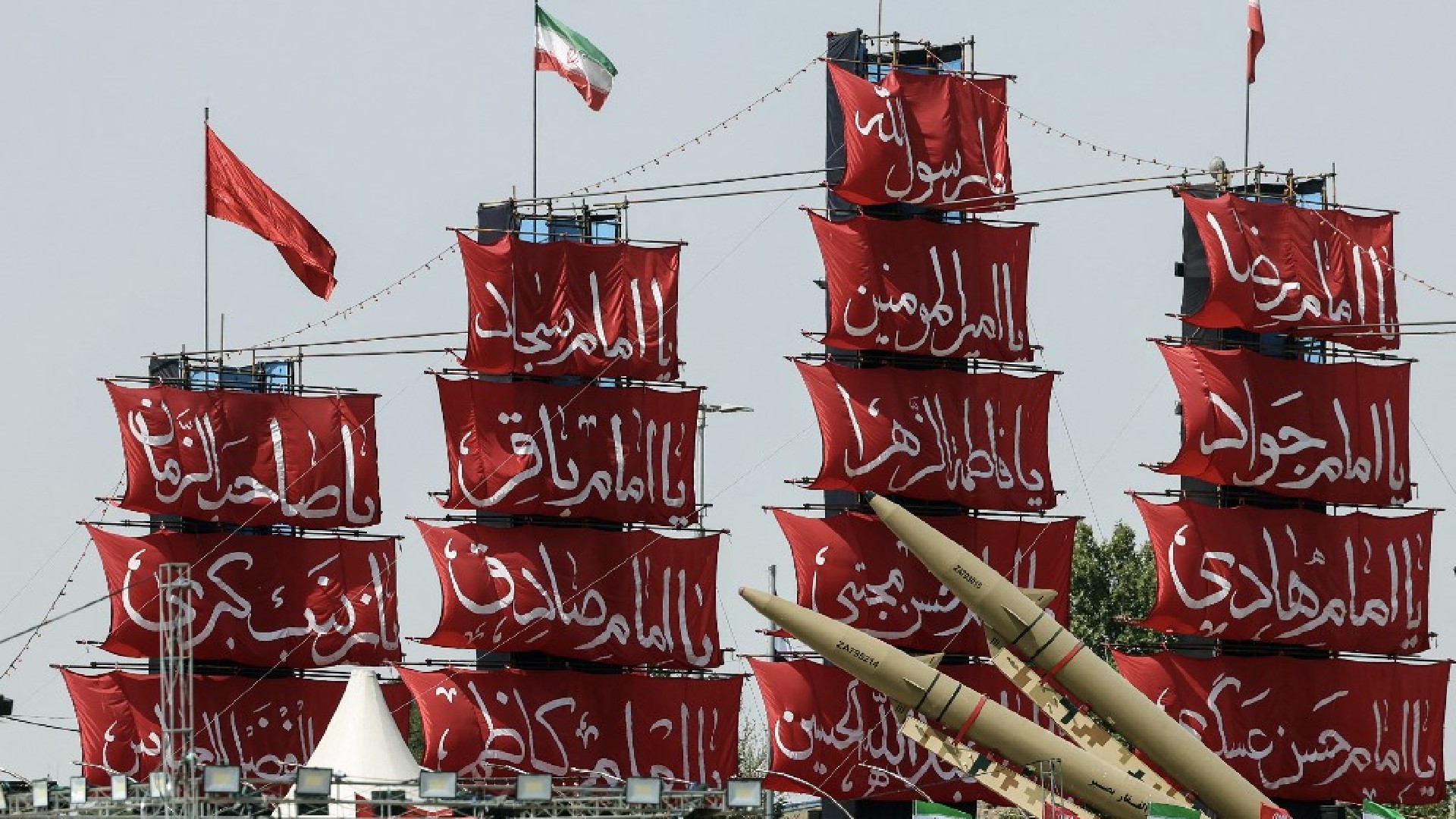
A CNN review published on 12 July 2026 has put a hard number on a question defence planners have been quietly circling for two years: how much usable ordnance does the United States actually have on hand, and how quickly can it be replaced once fired. According to reporting circulated by The Cradle on 13 July, key US weapons stockpiles remain significantly depleted from recent operational tempo, and the inventory picture is colliding, again, with active combat operations across West Asia.
That collision is the story. Read together, the two threads describe a force that has been spending faster than it can build, and a procurement base that may not be able to absorb another high-intensity cycle without hard choices on commitments elsewhere.
What CNN says is missing
The CNN assessment, summarised by The Cradle, names specific classes of munition: precision-guided air-delivered weapons and the ship- and ground-launched interceptors that have done most of the work in recent regional engagements. Stocks have been drawn down to what the report describes as significantly depleted levels, well below the pre-conflict baseline defence planners had assumed when sizing the force for a single major regional contingency, let alone two.
The practical symptom is a queue. Replenishment contracts have moved forward in 2026, but production lines run at a pace set years in advance. The constraint is rarely raw budget; it is industrial throughput, supplier bottlenecks in solid-rocket motors and seeker electronics, and the long lead time on the components that take a missile from an order to a usable round on a pier in the Gulf.
Why the timing matters
The readiness conversation is not new, but the political room to defer it just narrowed. A new round of US strikes on Iranian assets has been reported in parallel with the inventory audit, and Iranian-aligned outlets have framed the strikes as escalatory. Tehran's own messaging, distributed through state and proxy-aligned media, treats the conflict as a protracted contest in which attrition on the Western side is itself a strategic asset.
That framing is not neutral. Iranian-aligned sources routinely describe Western weapons-consumption rates as a vulnerability to be exploited, and the CNN figures make the framing easier to repeat. The point is not that the framing is correct in detail; it is that it is now grounded in a publicly-audited depletion number, which is harder to dismiss as rhetoric. Read the two stories together and the headline writes itself: the country that fires more rounds than it can rebuild is, on the published math, spending down a strategic cushion rather than drawing on one.
The structural frame, in plain terms
Every modern military thinks about its stockpile in two columns: what is on hand for the current fight, and what is in the industrial pipeline for the next one. The gap between those columns is what war planners call the readiness bridge. When the bridge is short, a force can absorb one shock. When it is long, the same force has to make decisions about which commitments to honour and which to defer.
The United States entered the current period with a readiness bridge sized for one major regional war. The combined tempo of operations in the Middle East, sustained forward presence in Europe, and the standing requirement to deter a Pacific contingency is, on the numbers CNN cites, wider than that single bridge. The honest policy answer is either to widen the bridge (more procurement, faster production, allied burden-sharing that releases US rounds for the highest-priority theatre) or to narrow the demand (fewer simultaneous commitments, or a willingness to operate with thinner stockpiles and accept the risk that follows).
Neither answer is cheap, and neither is purely industrial. Faster production means multi-year contracts and long-term funding lines that survive administration turnover. Allied burden-sharing means hard diplomatic asks of partners who have their own publics to manage. Operating thinner means accepting a documented risk of running short of a specific class of munition during a specific week of a specific fight.
Stakes over the next twelve months
If the current operational tempo holds, the procurement conversation moves from the back pages to the front. The Department of Defense has historically been able to defer restocking after a conflict because the next conflict was assumed to be years away. That assumption no longer holds. The relevant calendar is not the five-year defence plan; it is the next quarterly order book.
The market consequence is straightforward: a documented, multi-year shortfall in specific classes of precision munition is a tailwind for the prime contractors that build them, and for the sub-tier suppliers of rocket motors, propellant, and seekers that sit above the bottleneck. The strategic consequence is more serious: an adversary that knows the bridge is long has an incentive to keep the demand on the bridge elevated.
What remains genuinely uncertain is whether the published CNN figures reflect end-of-quarter stocks, end-of-year stocks, or a moment during an active resupply surge. Depletion figures without a denominator can flatter the alarmist case or the reassuring one. What is not uncertain is that the inventory picture is now part of the public argument, and that every future strike will be read against a number.
Desk note: This publication treats the missile-inventory question as a structural one, not a tactical one. The point is not whether the most recent strike was warranted but whether the underlying base can absorb the tempo that the next year is likely to require, and what the policy choices are if it cannot.
Wire provenance
This editorial synthesis draws on the following public wire/social posts:
- https://t.me/thecradlemedia
- https://t.me/TheCradleMedia