Tokyo's Heat Is Quietly Redrawing the Japanese Workday
Summers in the capital are now routinely matching Southeast Asian cities for heat and humidity. Nikkei Asia reports the shift is forcing changes to how Japan works.
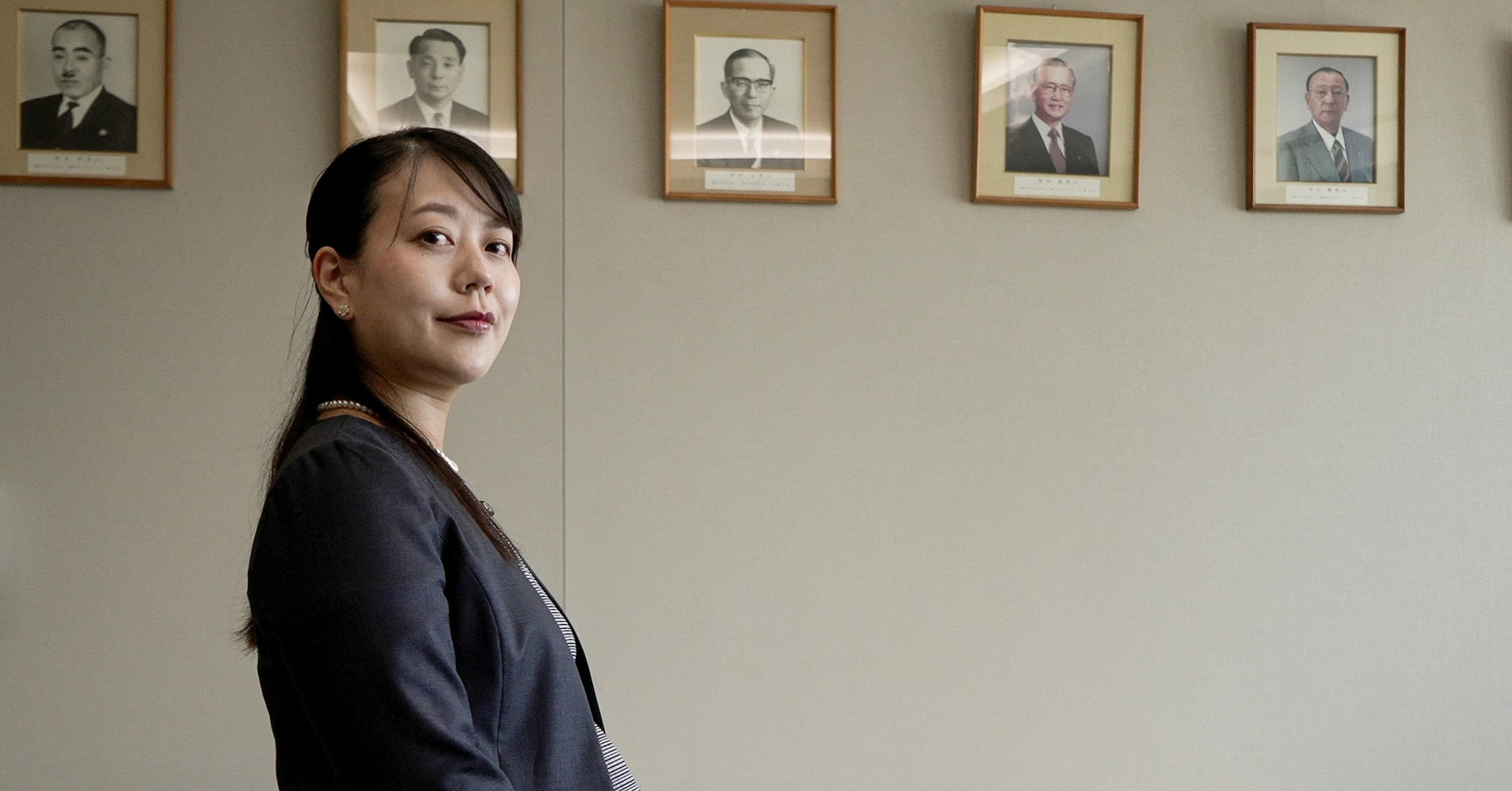
On the morning of 12 July 2026, Nikkei Asia reported that Tokyo's summertime temperatures and humidity now often match levels long associated with cities in Southeast Asia, and that the shift is forcing measurable changes to how people work in the Japanese capital.
The story sits inside a quieter, slower-moving climate story than the headlines usually permit. Tokyo is not a megacity that gets namechecked alongside Jakarta or Manila in heat-index rankings, and yet the working calendar of Japan's largest metropolitan economy is being redrawn by something the country's climate bureaucracy has been documenting for years. What the Nikkei report surfaces is the human cost of that redrawing: not a single dramatic disaster, but a steady accumulation of small adaptations to a workplace culture built for a climate Japan no longer has.
The numbers behind the new normal
The most useful framing the Nikkei report offers is comparative. Tokyo, for most of the post-war period, occupied a temperate band familiar to anyone who had worked in Seoul or northern Italy. That band is moving. The wire notes that summer temperatures and humidity in Tokyo now routinely reach levels that residents of Manila, Bangkok, or Ho Chi Minh City would recognise as ordinary. The implication is not that Tokyo has become a tropical city overnight. It is that the boundary separating temperate Japan from tropical Southeast Asia has slipped northward, and the country's working institutions are now bumping up against it.
The labour-market effects are concrete. Construction sites slow down or shift hours. Outdoor installation crews for telecommunications and power utilities begin earlier, before the worst of the humidex, or move into night shifts. Office buildings crank air conditioning to levels that strain the grid during peak demand windows, with the predictable cost consequences for small businesses operating on thinner margins than the marquee towers of Marunouchi. None of this is theoretical. It is the operating environment of a 14-million-person metropolitan economy in mid-July.
Why the Japanese model is more exposed than most
The structural problem is not the heat itself. It is the country's labour architecture. Japan runs on a workplace culture built around long in-person hours, formal dress codes, and a presumption that the office is the centre of professional life. That architecture was designed for a climate where summer heat was unpleasant but manageable, and where the cultural expectation of showing up in a pressed white shirt was affordable.
That contract is now being renegotiated, whether or not the country's institutions want it to be. The Ministry of Health, Labour and Welfare has for several years promoted heat-stress countermeasures, including mandatory breaks, hydration guidance, and adjustments to outdoor work. Local governments in Tokyo and Osaka have issued their own advisories. None of this adds up to a coherent national adaptation strategy. It adds up to a series of piecemeal responses to a problem that keeps getting larger.
The Nikkei report lands at a moment when two policy tracks are about to collide. The first is the long-running effort to expand remote and hybrid work, an agenda with obvious appeal to younger workers and to the country's chronic labour-shortage sectors. The second is the climate track, in which the government is investing in adaptation, urban greening, and cooling infrastructure. The two tracks are not coordinated. They do not need to be. They need to be coordinated. The current pattern is that the labour track moves at the speed of corporate HR policy, while the climate track moves at the speed of public-works procurement.
The corporate response, in plain view
Japanese employers have spent the better part of a decade talking about work-style reform. Heat exposure is forcing the conversation in a different direction. Some firms are allowing summer casual dress codes, known as "cool biz," to extend later into the season. Some are rotating office attendance to spread air-conditioning load. A small number of larger employers have begun adjusting shift patterns for warehouse and logistics staff who work in non-climate-controlled environments.
What the corporate sector is not yet doing, at any visible scale, is treating heat as a strategic-operations risk on the same footing as supply-chain disruption or currency volatility. That gap shows up in three places. First, in capital expenditure: the country's commercial-building stock is old, and retrofits for cooling efficiency remain underfunded. Second, in workforce planning: outdoor labour, from construction to delivery, is already facing a demographic squeeze, and the climate trajectory makes that squeeze tighter. Third, in product design: Japanese consumer goods, from clothing to food and beverage, were designed around a temperate baseline. The market is quietly shifting toward products built for hotter, more humid consumers.
The wider Asia pattern, and what it means for Japan
Tokyo's experience is not unique in the region. Seoul, Taipei, and several Chinese tier-one cities have moved along a similar trajectory, with their own versions of workplace adjustment. The structural lesson is that high-income East Asian economies, which built their modern infrastructure during a climate window that is now closing, face a particular adaptation problem. They have the capital to invest. They have the engineering capacity to deliver. What they have less of is time before the working calendar is forced into a new shape by the climate itself.
Japan's political economy will determine whether the next decade of adaptation is planned or improvised. The country's fiscal position, its demographic decline, and its institutional conservatism all pull in different directions. The climate does not care about any of them. The wire's reporting makes the practical case: if Tokyo's summers are now operating on a Manila template, then Tokyo's workplaces, building stock, and public-health planning need to be operating on one too.
The single date worth watching is not a headline event but a benchmark. Japan's weather agency revises its climate normals on a multi-decade cycle; the next revision will formalise, in official statistics, what residents of Tokyo are already feeling on their commute. Until then, the gap between the official baseline and the lived experience will keep widening, and the country's working culture will keep improvising around it.
This article was sourced from a single wire item provided to the desk. Where the underlying reporting cites comparative humidity figures or specific workplace measures, the Nikkei Asia feed carried in our research thread is the originating source. Monexus has not independently corroborated the comparative Southeast Asia data points from a second outlet; readers seeking verification should consult Japan Meteorological Agency climate normals and Tokyo Metropolitan Government heat-advisory records directly.
Wire provenance
This editorial synthesis draws on the following public wire/social posts:
- https://t.me/NikkeiAsia