Seahawks sell for a record $9.6 billion, and a chunk of the proceeds is heading to charity
The Seattle Seahawks have been sold for an NFL-record $9.6 billion, with billions earmarked for charity. The price resets the league's valuation curve and hands the next owner a trophy asset just as a White House visit becomes a live betting market.
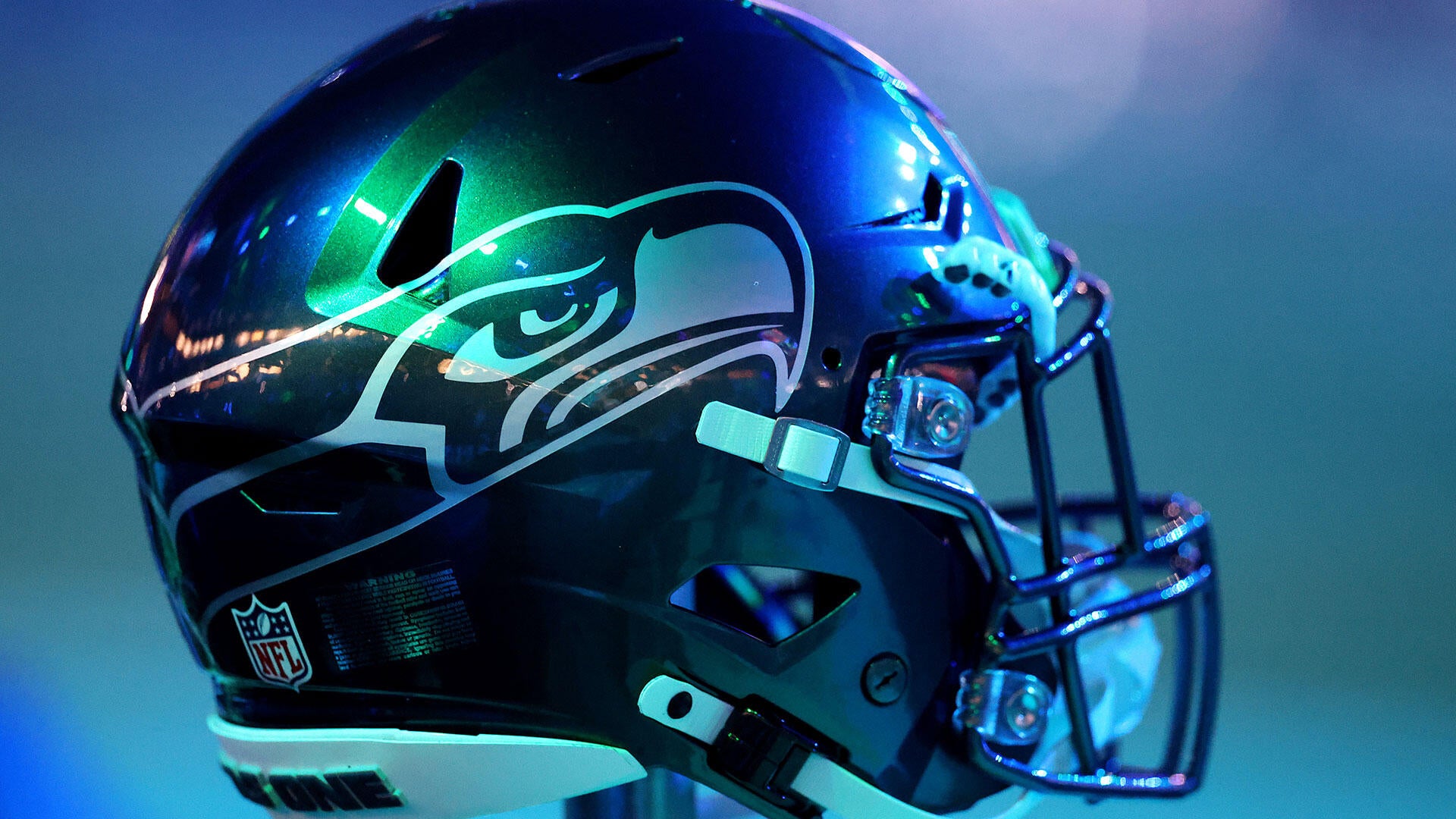
On 12 July 2026, the Seattle Seahawks changed hands for $9.6 billion, the largest price ever paid for an NFL franchise and a sum that surpasses the league's previous record, set three years ago, by a comfortable margin. The figure, reported by CBS Sports, confirms what team finance analysts have argued for two seasons: that the NFL's scarcity model, capped at 32 franchises and locked behind cross-ownership rules, has decoupled team valuations from the broader sports market. The Seahawks sold because two things happened at once. A bidder was willing to stretch, and a seller was willing to accept that the franchise is worth more as a content platform than as a stadium business.
The transaction matters beyond Seattle. With billions of the proceeds directed to charitable vehicles tied to the outgoing ownership, the deal doubles as a tax-efficient exit and a public statement. It also lands in a political climate in which professional sports leagues have become an awkward cultural prop. The White House has recently drawn a hard public line, declaring that "you can be a communist or you can be a patriot. You cannot be both." That posture makes the standard championship visit to Washington a more contested ritual than it was a decade ago.
What $9.6 billion actually buys
The price resets a market that was already overheated. Three years ago, an NFL franchise traded hands at a then-record figure; CBS Sports notes that the Seahawks sale smashes that mark, and does so with enough headroom to suggest the ceiling has not yet been reached. The drivers are familiar to anyone who follows sports M&A: a thirty-two-team monopoly, national broadcast contracts denominated in long-dated dollars, and a stadium-rebuild cycle that functions, in practice, as a public subsidy to private equity.
For the incoming owner, the asset is unusually clean. The Seahawks have a stable coaching staff, a recent championship pedigree, and a Pacific Northwest market with limited regional competition for NFL attention. The roster questions that follow every sale are real, but they are second-order: the on-field product drives the multiple, and the multiple is now anchored at a number that no previous owner could have imagined.
The charity sleeve
The decision to channel billions of the proceeds into charitable vehicles is not incidental. Outgoing owners of professional franchises have, for two decades, used charitable trusts and foundations to recapture a meaningful share of the economic surplus from a sale. The structure softens the optics of a nine-figure windfall, reduces the tax bill through deductions on the contributed portion, and locks the seller's name into civic life long after the team has moved on.
The wrinkle is timing. A sale of this scale, with this much philanthropic packaging, will draw close attention from the IRS, state regulators in Washington, and the NFL's own finance committee. The league's ownership rules require approved buyers and approved sources of funds, and a record-setting transaction guarantees a longer review window than a routine transfer. The sources do not specify which foundation or trust will receive the proceeds, or whether the structure mirrors the model used in previous NFL sales, and that ambiguity is itself the story for the next quarter.
Politics in the end zone
Sports ownership has always been a political story, but the present cycle has sharpened the edges. The Polymarket contract on whether the Seahawks will visit the White House currently sits at 21 percent, a number that has less to do with the team's title chances and more to do with the kind of political performance the league is willing to stage. The contract, posted to the prediction market on 12 July 2026, functions as a real-time thermometer on the friction between professional sports and the current administration.
The White House line, distributed via social media the same day, frames national identity as a binary choice between loyalty and dissent. That framing makes the traditional championship photo-op more combustible than it has been in past administrations, and the prediction market is pricing in the probability that the Seahawks, if they win, will decline the visit, or that the visit itself will be reshaped into something more contested than a handshake. The 21 percent figure is not a forecast; it is a measure of how much political risk the league is now expected to absorb for the privilege of a White House visit.
What to watch next
Three dates matter. First, the NFL finance committee's approval vote on the incoming ownership group, which will determine whether the $9.6 billion becomes a closed transaction or a renegotiated one. Second, the disclosure of the charitable vehicle structure, which will determine how much of the windfall is recaptured through deduction. Third, the season itself: a deep playoff run by Seattle would force the Polymarket contract off its current low baseline and put the White House question on the front page.
The honest uncertainty in this story is the identity of the buyer. CBS Sports' reporting on the price is firm, but the sources surfaced in this thread do not name the purchasing group, the financing partners, or the structure of the bid. That gap will close in the weeks ahead as the league's approval process drags the principals into public filings. Until then, the headline number does the talking: nine-point-six billion dollars, an NFL record, a charitable sleeve, and a White House question that nobody in the league office wants to answer out loud.
This publication frames the Seahawks sale as an ownership-and-valuation story, not a partisan one. The Polymarket contract and the White House quote are reported as live context for what a championship visit now costs a franchise, not as a judgment on either the team or the administration.
Wire provenance
This editorial synthesis draws on the following public wire/social posts:
- https://x.com/unusual_whales/status/2076319544172277760