Hilda Hidalgo turns inward: Costa Rica's most-admared woman director eyes a third feature on sexual abuse
After two acclaimed dramas adapted from Latin American literary heavyweights, Costa Rican filmmaker Hilda Hidalgo is preparing a third fiction feature, this time about sexual abuse, Variety reports.
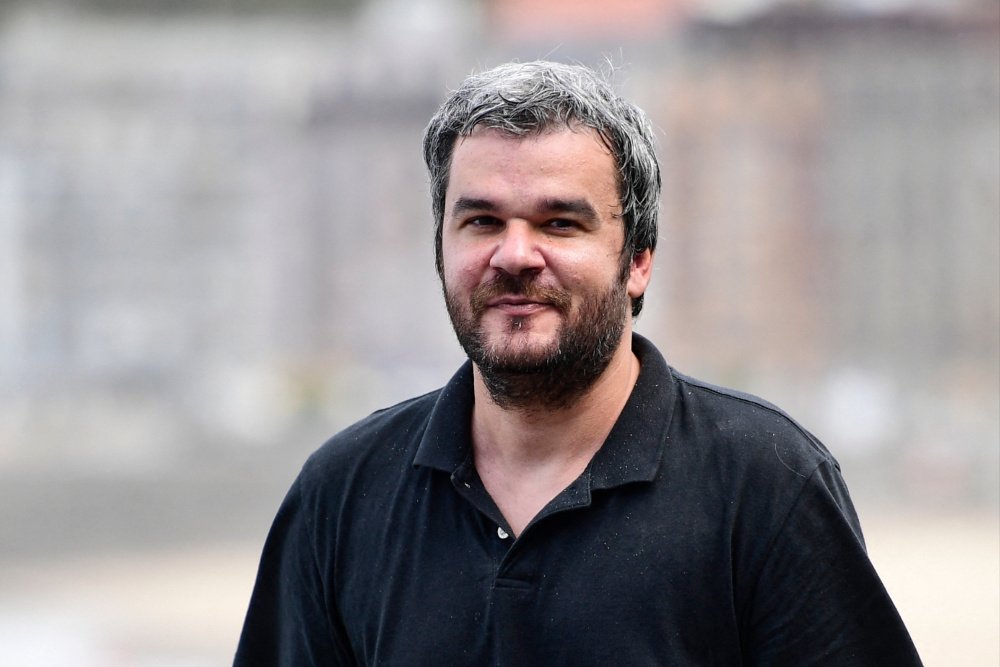
On 13 July 2026, Variety broke the news that Costa Rican filmmaker Hilda Hidalgo is preparing a third fiction feature built around the subject of sexual abuse. The project follows two dramas that have done the work of placing her on the festival map: her adaptation of Gabriel García Márquez's novel Of Love and Other Demons, and Violeta at Last, the biographical portrait of the writer Violeta Chamorro that Variety has singled out among her most lauded efforts.
The move matters less for the calendar it sets than for what it suggests about Hidalgo's late-career arc. She has spent more than a decade translating Latin American literary and historical material for the screen. The pivot to a directly testimonial subject, rather than another canonical adaptation, signals a director choosing to convert stature into friction.
A director built on adaptation
Hidalgo's earlier work made a virtue of restraint. Of Love and Other Demons took a Márquez novel set in a colonial-era Caribbean and rebuilt it as an interior drama about a girl, a priest, and the colonial church's appetite for exorcism. The film circulated widely enough to anchor her reputation as a director willing to take on serious regional literature without turning it into heritage cinema.
Violeta at Last moved in a different register. Chamorro's trajectory from newspaper publisher to Nicaragua's first female president gave Hidalgo a biographical structure to work against, and Variety's profile frames the film as one of the more accomplished pieces of political biography to come out of Central America in recent years. Together the two pictures established a pattern: Latin American source material, deliberate pacing, a willingness to let silence carry the scene.
The third project extends that method into more directly personal terrain. The Variety report describes it as a fiction feature about sexual abuse, which puts the work in a genre that has gathered momentum across Spanish-language cinema over the last decade without ever quite settling into a formula.
The regional frame
Costa Rica sits oddly inside Central American cinema. Its neighbours Guatemala, El Salvador and Honduras have produced documentary and narrative work built around civil war, gang violence, and the long aftermath of US-backed counter-insurgency. Nicaragua has given the region a political-biopics tradition that Hidalgo has already drawn from. Panama's film culture leans toward the commercial.
Costa Rica, by contrast, has tended to punch above its weight in quieter registers. The country has no standing army; its political self-image emphasises education, environmentalism and middle-class continuity. That has produced a cinema less driven by rupture than by interiority. Hidalgo's career fits that pattern almost too neatly: literary adaptation, biographical portrait, and now a fiction feature about a subject most national cinemas prefer to leave to documentary.
That positioning has practical consequences. Costa Rican films travel on the festival circuit and the arthouse theatrical circuit rather than through domestic box office. A picture about sexual abuse, in a country whose film establishment tends toward the discreet, is also a statement about what the national cinema is willing to look at.
The Latin American testimonial wave
Hidalgo is not entering empty terrain. The last decade has produced a recognisable wave of Spanish-language fiction features built around gendered violence: works from Argentina, Chile, Mexico and Spain have pushed the subject into the festival and limited-release mainstream without ever resolving the disagreement over how such material should be staged. Some directors have leaned into procedural forms, others into dream logic, others into a deliberately uncomfortable observational style.
What the Variety report on Hidalgo's third feature does not yet disclose is which of those registers she intends to adopt. The phrasing in the trade press suggests the project is at an early enough stage that no festival slot, cast, or release window has been attached to it. That detail matters because the formal choices a director makes when filming sexual abuse tend to define how the picture is received, long after the subject itself has stopped being the news.
The Variety write-up also stops short of naming producers, financiers, or co-production partners. For a Costa Rican fiction feature with regional ambition, that gap will eventually have to be filled. Central American production at this scale typically draws on a mix of national film-fund support, European co-production partners, and Iberoamerican public broadcasters. Until those attachments surface, the project reads as an intention rather than a pipeline.
What to watch
Three things will define whether the picture lands. First, the writing credit: whether Hidalgo writes alone or brings in a collaborator, which would be the first public signal of how autobiographical the material intends to be. Second, the casting: a Costa Rican lead, a regional ensemble, or international leads brought in for festival positioning. Third, the festival premiere. A debut at one of the major European autumn festivals would set a very different commercial trajectory from a regional premiere at a Central American showcase.
The Variety profile is a useful reminder that the most durable careers in Latin American cinema are still being built one picture at a time, outside the streaming-platform commissioning cycle that has reshaped the industry elsewhere. Hidalgo's third feature will arrive on her terms or it will not arrive at all. The trade press will tell the rest of us soon enough.
This piece follows Monexus's standing approach to Latin American cinema coverage: regional authorship first, festival-circuit and arthouse positioning read carefully, and no theatrical-release claims until producers and financiers are on the record.