Haaland's World Cup Loss Becomes a Global Brand Win
Erling Haaland's Norway crashed out of the World Cup at the hands of England on 12 July 2026, but seven goals and 25 million new social followers have already turned elimination into a global brand expansion.
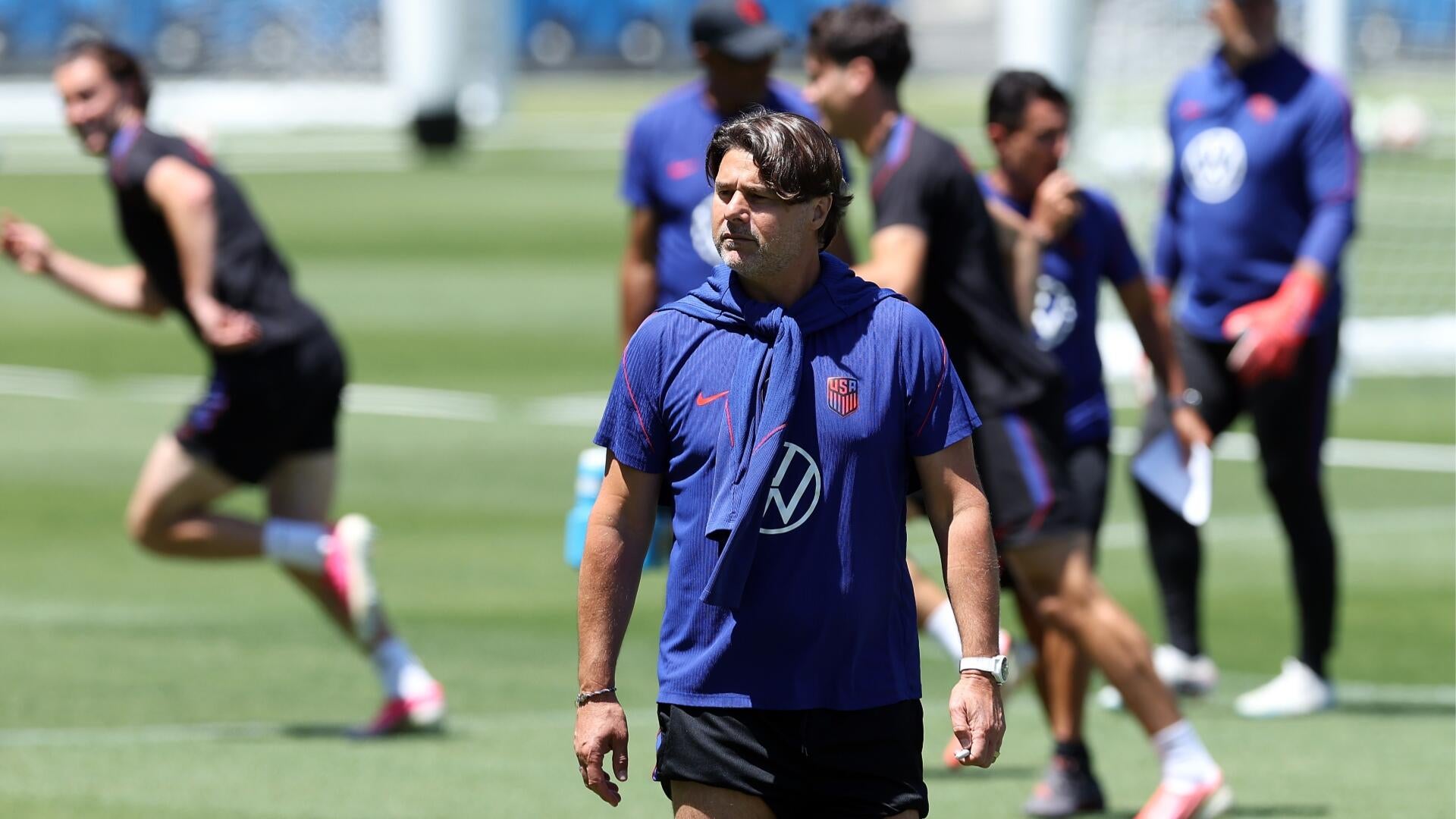
Erling Haaland walked off the pitch on 12 July 2026 with Norway eliminated from the World Cup at the hands of England, a result that ordinarily would have closed the book on his tournament. Instead it opened a different ledger. The 25-year-old striker finished the competition with seven goals and, according to CBS Sports, 25 million new social media followers accumulated across the run, a number that converts elimination into market share. By the morning of 13 July, Peruvian civil registries were logging newborns named after him, with the Polymarket-affiliated account @Polymarket reporting that "hundreds of babies in Peru are reportedly being named after Norway star Erling Haaland as his World Cup popularity surges."
The subplot of the 2026 World Cup is no longer whether Norway can win a knockout round; it is whether Haaland, now confirmed as the tournament's dominant individual commercial force, has outgrown his national team. Norway's exit came at the hands of a stronger England side, but the framing of the campaign has already shifted from sporting failure to cultural penetration. CBS Sports catalogued the merchandise wave, the cowboy hats, the Patti Smith memes, and a reach that has crossed music, fashion, and demography. The question now is what this reach is actually worth, and to whom.
A scorer who became a character
Haaland's seven goals in the tournament put him at the top of the Golden Boot conversation even as Norway's run ended short of the final, per CBS Sports' recap published 13 July. The volume alone is striking; the conversion into attention is more so. ESPN's wrap of the Norway–England fixture, filed 12 July, framed the result as a respectable defeat for a Scandinavian side that had already exceeded expectations, with Haaland credited for "a memorable tournament" even in loss. The framing matters: the dominant Western-sports wire line has been that Norway exceeded their draw, while the Polymarket-circulated dispatch reframes the same tournament as a soft-power export. Both readings rest on the same set of matches.
The Peruvian baby-naming story crystallises the second reading. Civil-registry data is not yet public in a verifiable form, and @Polymarket's phrasing, with its "reportedly" hedge, signals that the number is anecdotal rather than audited. But the directional signal is unambiguous. A footballer whose goal record would have been the headline of any previous tournament is now competing for column-inches with naming trends, fashion choices, and music references. That is not a sports story; it is a brand story wearing a sports jersey.
The sponsorship math, even with the gaps
The thread material does not include the dollar value of Haaland's new endorsement pipeline, the terms of any extension with existing partners, or the precise follower-acquisition rate on each platform. CBS Sports confirms the 25-million-follower aggregate during the tournament and the breadth of his crossover references; the financial layer is not in the public record the thread draws on. So the structural frame has to be stated plainly: when a global athlete loses a knockout match and emerges with more attention than the winning side's stars, the sponsorship market for that athlete is repricing upward regardless of the result on the pitch. That is the operative logic of modern sports commerce, and the World Cup is its largest stage.
There is a counter-narrative worth naming. England's progression to the next round, and the goalscoring of whoever carries their forward line, will produce its own commercial uplift for the English club system and the Premier League's broadcast partners. The 12 July result is a redistribution of the spotlight, not a wholesale transfer of it. Norway's exit means Haaland returns to Manchester City, where the league-and-Champions-League calendar now resumes, and where the English football cycle, with its own audience, partially reabsorbs him.
What the wire frames, and what it doesn't
The Western-sports reporting on Haaland has been respectful, often admiring, and unfailingly focused on the goals. ESPN's piece leans into the "memorable tournament" framing. CBS Sports widens the lens to the cultural apparatus around him. Neither outlet has yet addressed the Peruvian baby-naming trend as a verifiable demographic phenomenon, which is appropriate given the sourcing thinness; @Polymarket's tweet is the only reference point in this thread, and it is hedged. The structural story, in plain editorial terms, is that global athletes now compete in two markets at once: the on-pitch record, which can end in defeat, and the attention economy, which only ends when attention moves elsewhere. The 2026 World Cup has, by any available measure, failed to move attention off Haaland.
The remaining uncertainty is whether the 25-million-follower figure holds up under platform-level audit. Social-media aggregations routinely inflate by counting bots, dormant accounts, and duplicate handles, and the CBS Sports total is reported as a network-wide number without a platform-by-platform breakdown. Treat the magnitude as directionally correct and the precision as illustrative rather than audited.
Stakes, and the next fixture that matters
Haaland's club return to Manchester City, and the first Premier League match after the World Cup cycle, will be the first market test of whether the tournament's brand uplift is durable or whether it dissipates against domestic competition. Norway, for their part, will discover whether a generation of teenagers named after their striker in Lima, Bogotá, and Jakarta translates into a stronger qualifying campaign for the next tournament, or whether the cultural moment was the apex and the sporting climb continues in the long shadow of England, France, and Brazil. The 12 July exit settles the question of who lifted the trophy; it does not settle the question of who won the summer.
This piece tracks how a knockout defeat on 12 July 2026 became a brand-inflection story inside 24 hours, leaning on CBS Sports and ESPN for the tournament record and on a Polymarket-circulated dispatch for the Peru naming-trend signal. Where the social-media total is reported as 25 million, readers should treat the figure as directionally indicative rather than independently audited.