Four at the top, four at the door: how FIFA's rankings predicted the World Cup semifinals
The four FIFA-ranked sides, Argentina, Spain, France and England, meet in the World Cup semifinals, a clean collision between pre-tournament form and the business end of the bracket.
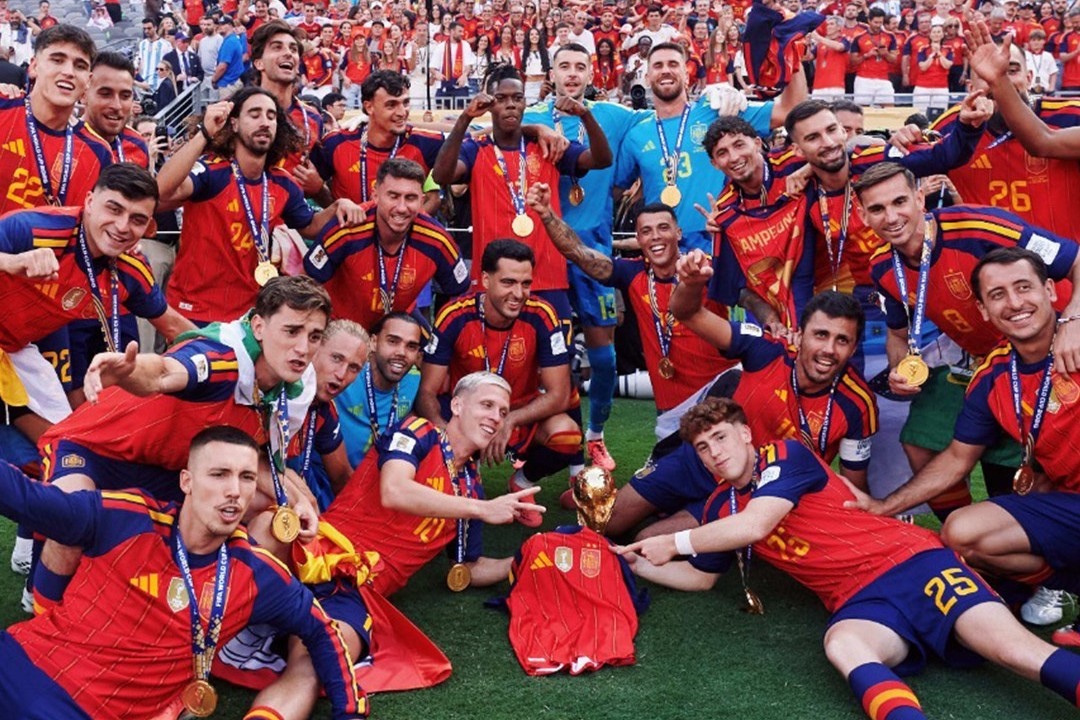
The bracket delivered what the FIFA world rankings had telegraphed for months. Argentina, Spain, France and England walked into the World Cup as the four highest-ranked sides on the planet, and on the weekend of 11–12 July 2026 they were still standing as the last four teams in the tournament, two wins from the trophy. The four sides ranked highest by FIFA before the tournament will play the semifinals: France against Spain, and England against Argentina, according to the matchups circulated by Transfermarkt on 12 July 2026 and the summary published by ESPN the same day.
Rankings are not prophecy, but they are signal. The four best-resourced federations in international football, with the deepest player pools, the most lucrative domestic leagues and the most established tactical schools, have produced every World Cup winner this decade. That the 2026 bracket resolved to exactly this quartet is less an upset than an arithmetic outcome: when the favourites survive the group stage and avoid each other long enough to reach the last four, the standings tend to look like the seedings.
A-list, top to bottom
ESPN's 12 July 2026 note framed the semifinal lineup as a clean A-list: each of the four pre-tournament top-four ranked sides made it through to the final weekend. France, Spain, England and Argentina, in that order at the top of the FIFA table going in, are now two wins from being crowned champions again, the network reported. Spain sit on the cutting edge of a generation that won Euro 2024; France were runners-up at the last World Cup and have been the most consistent major-tournament side of the cycle; England have reached the latter rounds of three consecutive tournaments; Argentina arrived as defending champions and have carried that weight through a difficult group.
The pairings sharpen the story. Spain against France is a collision between two systems, possession-and-press against pace and directness, that has decided the last two major finals. England against Argentina carries older freight: the 1966 and 1998 meetings, and the more recent history of English failure at the sharp end of tournaments against South American opposition. Both ties carry the subplot of which footballing culture currently has the better answer.
What the rankings don't measure
The clean story conceals more than it reveals. FIFA's ranking methodology rewards recent results against opponents weighted by confederation and match importance, with results from competitive internationals carrying more credit than friendlies. A team that plays more games, against better-ranked opposition, in tournaments that matter, climbs. None of that captures form, injuries, refereeing variance, knockout-stage randomness, or the difference between a side that has peaked in March and one peaking now.
The counter-read is also available: rankings are lagging indicators. They tell you who has been, not who is. Every World Cup produces a story of a top-ranked side stumbling in the round of 16, and every cycle produces the dark-horse run that the table never predicted. The fact that all four of the pre-tournament top four survived to the semifinals is therefore both a vindication of the methodology and a reminder of how narrow the window is between this tournament and the last.
The bracket, the dollars, the stakes
The structural point is older than the rankings. International football's competitive geography has been narrowing for a generation. Eight different nations have won the World Cup across the tournament's history, but the most recent winners come from a narrow set: the 2022 final in Qatar was Argentina against France, the 2018 final was France against Croatia, the 2014 final was Germany against Argentina. The four sides still standing in 2026 sit inside the same European–South American axis that has produced every World Cup winner since 2002.
The financial picture mirrors the competitive one. The federations of the four remaining sides sit among the wealthiest in the sport, and their domestic leagues broadcast into the largest commercial markets. England's Premier League remains the highest-grossing domestic competition in the world; La Liga's television rights are the most valuable in continental Europe; Ligue 1's broadcast deal has stabilised after years of dispute; Argentina's domestic ecosystem is smaller but its export market, the players it sells to the other three leagues, is the pipeline that makes the others viable.
The Transfermarkt graphic of 12 July 2026 paired the four sides in the two semifinal matchups, France against Spain and England against Argentina. The fixtures will be played this week, with the final scheduled for the following weekend.
What to watch before kickoff
The standings suggest the order of these matches, but the football rarely does. Spain's control of the ball will be tested by France's transitional speed, a matchup that decides whether the Spanish possession model still travels at World Cup tempo. England's game-management question, the recurring weakness of an otherwise deep squad, returns against an Argentina side that has conceded late in major matches before. Both ties will answer a simpler question: which of the four best-ranked sides in the world is the best right now.
The remaining uncertainty is whether the ranking-led story holds for another week. The sources do not specify injury status, suspension risk or projected lineups for either semifinal. They confirm only the matchups, the seeding logic that produced them, and the commercial gravity that keeps these four federations at the top of the sport. Whether that gravity translates into trophies is what the next two weekends will decide.
How Monexus framed this vs the wire: the dominant wire line is the celebratory "A-list intact" framing, rankings as prophecy. We kept that frame, then set the counter-read alongside it: rankings as lagging indicator. The structural point is that international football's competitive geography has narrowed, and the four remaining sides sit inside the same European–South American axis that has produced every World Cup winner this decade.
Wire provenance
This editorial synthesis draws on the following public wire/social posts:
- https://t.me/s/transfermarkt