Costa Rica bets a Netflix of podcasts and a MrBeast producer can reset its media export economy
A two-day market in San José opens July 14 with podcast-platform deals, a reality-TV partnership and a LatAm fan-fiction push, betting that Costa Rica's content economy needs buyers more than it needs lights and cameras.
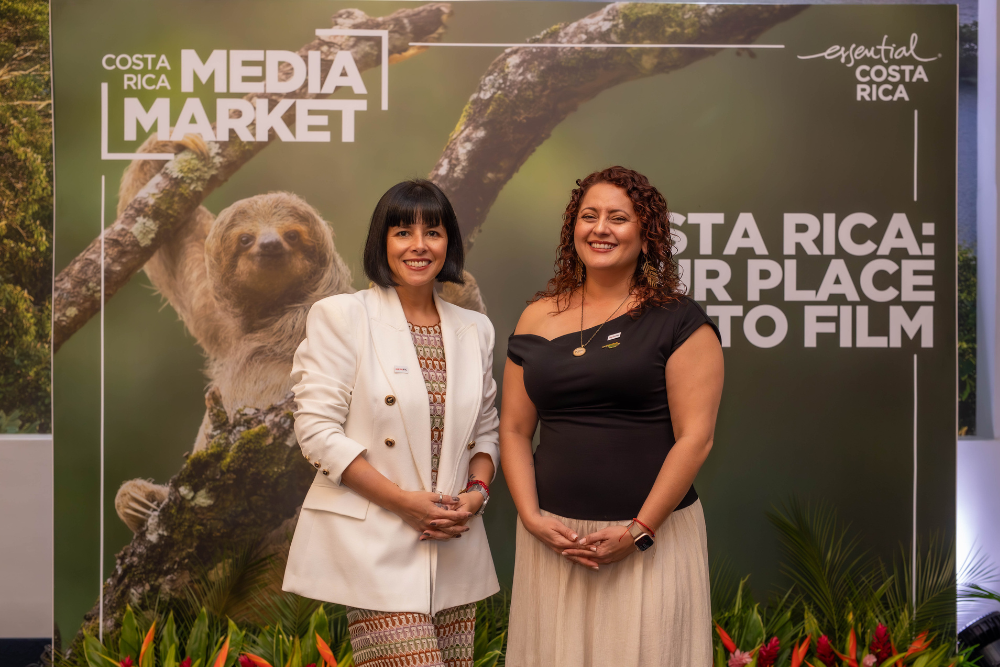
San José will host the second edition of the Costa Rica Media Market (CRMM) on 14–15 July 2026, a two-day conference and content bazaar designed to convert a small Central American production sector into an export platform. Variety's 13 July 2026 dispatch sketches a programme that runs the channel from indie podcast networks to a global reality-TV brand.
The bet is straightforward. Costa Rica has spent two decades marketing itself as ecotourism and medical devices. The country now wants to add audio-visual exports to the same export ledger, and it is recruiting buyers rather than building new studio infrastructure. The agenda reveals which industries feel obliged to show up.
A MrBeast producer and what that tells the room
Among the confirmed speakers is the producer behind MrBeast, the YouTube operation built by Jimmy Donaldson that has moved into long-format reality television. Variety lists the producer as a featured guest without naming the individual's prior credits; in a market short on scripted IP, the appearance signals that unscripted digital-first formats are the export lane Costa Rica is courting. Donaldson himself has, in previous reporting, framed his work as a new grammar for advertiser-supported video. He is not the announcement; the producer who travels with that operation is.
That matters because Costa Rica's comparative advantage has never been budget-scale Hollywood production. Its pitch is location, tax incentives, and a bilingual workforce. MrBeast-adjacent producers buy format, not stages. They license a recipe, then ship their own crew. A country that lands one of those licensing conversations wins recurring work without owning the brand.
The Disney question, answered with paperwork
Disney is also listed as a participating company. The story under the headline is tax-and-incentive real estate: Costa Rica's audiovisual law offers a transferable tax credit for qualifying productions, and Central American jurisdictions have been competing for the resulting paper trail since Panama and Colombia tightened their own rules. Disney's presence is less a content deal than a credentialed signal to mid-size producers that the paperwork is in order.
The market's anchor pitch is therefore fiscal, not creative. Buyers want to know which line items qualify, which expenses the credit attaches to, and which country code appears on the final invoice.
Women in Fan LatAm and the long-tail of fandom
The third notable strand is Women in Fan LatAm, a fan-fiction and fandom-economy initiative. The trade press has covered fan-fiction monetization as a slow-burn story since 2022, when Archive of Our Own's nonprofit standing clarified the legal status of derivative work. Costa Rica's interest in the segment is unusual for a national market, and points to an export thesis the bigger players have not yet made: that Spanish-language fandom is a commercial scale audience, not a hobbyist footnote. A national-content strategy that addresses fan creators as licensable talent is treating them as a workforce, not a customer.
The risk is that fandom work remains thinly monetized even in North America. Selling that pipeline to a B2B market audience is mostly a credibility exercise. It tells international buyers that Costa Rica reads the same audience data they do.
What the conference does not solve
A trade fair moves paper. It does not, on its own, change the underlying ratio of producers to buyers in Central America. The CRMM is an offshoot of the older Central America and Caribbean Audiovisual Market, a regional format that has rotated between Panama, Costa Rica, and the Dominican Republic for several editions. The honest read is that the region shares a single market because no single country is large enough to anchor one alone; the CRMM simply gives Costa Rica naming rights this year.
The counter-narrative is that export-oriented content economies do not start with one dominant studio; they start with a sales desk. South Korea's drama export business, in the framing familiar to trade reporters, accelerated when dedicated sales agents began pitching titles at content markets before any major Korean studio tried to enter Hollywood directly. Costa Rica's argument at CRMM is that it can become the regional sales desk even if the studios sit elsewhere.
The unresolved question is whether Latin American buyers will show up in numbers large enough to justify the airfare. The Dominican Republic edition of the regional market drew more than 600 buyers, by industry estimates cited at the time. A Costa Rica edition that can match or exceed that figure would matter; one that depends on its speaker list to fill seats would not.
Variety reports that the conference continues through 15 July, followed by a familiarisation trip for international delegates. Whether that converts into the next round of licensing announcements is the only metric that will survive the press cycle.
Desk note: Monexus frames the CRMM less as a cultural moment than as a fiscal-incentive trade fair in regional export clothing, set against the longer Korean-content-export precedent for what such markets actually do. Wire coverage concentrates on the speaker list; the structural story sits one layer down.