Yen slides as Tokyo signals patience on rate normalisation
The Bank of Japan continues to hold fire on interest rates as the yen drifts lower against the dollar, forcing importers to hedge and exporters to recalibrate pricing plans already laid in for the second half.
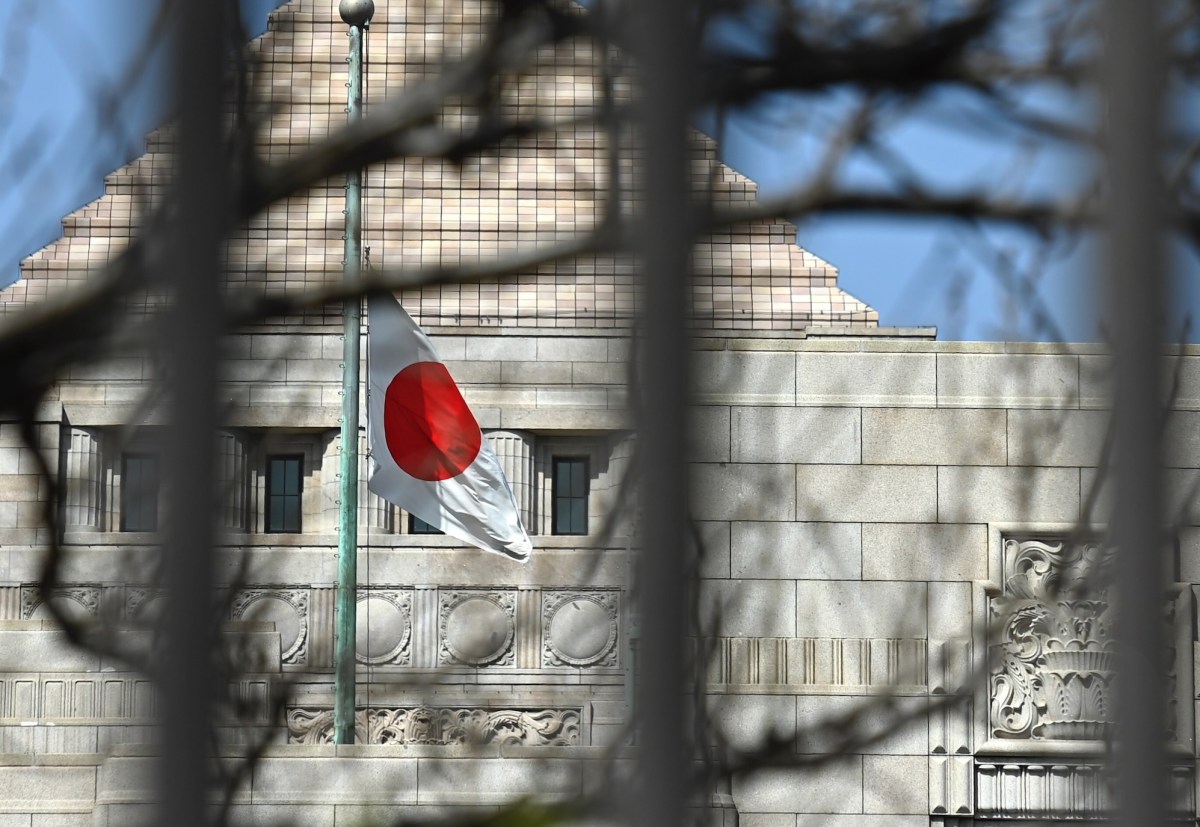
The Bank of Japan has not moved on interest rates in the policy window leading into 12 July 2026, and the yen's response has been immediate: another leg lower against the dollar, and another round of hedging calls from Tokyo importers who had hoped the central bank would normalise borrowing costs before the autumn. Reuters correspondent Rocky Swift walked through the latest episode of the Econ World podcast on 12 July 2026, framing the move as a transmission belt from Tokyo to Wall Street that is now pulling harder on global carry trades than on Japanese consumption.
The structural reading is plain. Tokyo has signalled patience. Markets have read patience as dovishness. The dollar has benefited at the expense of the yen, and the question for the second half of 2026 is no longer whether the rate gap narrows, but how much damage is done before it does.
The rate that did not move
The Bank of Japan's policy board has held the short-term policy rate at a level consistent with a continued accommodative stance, even as core inflation in the country has run above the central bank's 2 percent target for several quarters. The decision, telegraphed in statements through 2026, has been to wait for wage data to confirm that price gains are anchoring rather than passing through. Reuters's reporting on the Econ World episode of 12 July 2026 frames the wait as deliberate: the Bank of Japan is willing to absorb currency pressure to preserve a wage-price spiral that the global trading system still treats as Japan's most fragile domestic achievement.
The yen is the immediate casualty. A weaker yen makes imported energy and food more expensive, and it inflates the yen value of dollar-denominated liabilities held by Japanese borrowers. The Bank of Japan's stated concern is that a premature tightening would break the wage cycle before it is fully embedded. Markets are pricing the trade the other way: continued patience means continued yen weakness, which means Tokyo importers must hedge harder, which means more dollar demand from Japan, which means more pressure on the yen.
What carry trades imply
A carry trade borrows in a low-yielding currency and invests the proceeds in a higher-yielding one. The yen has been the borrowing currency of choice for global investors for nearly two decades because the Bank of Japan held rates near or below zero. As long as the rate differential stays wide, the incentive to short yen persists.
Reuters's framing in the 12 July Econ World podcast is that the latest leg of yen weakness reflects exactly this dynamic. The US Federal Reserve's policy rate remains higher than the Bank of Japan's, real yields in US Treasuries remain attractive, and global allocators continue to fund those positions by selling yen. When Tokyo eventually moves, the unwind will be violent. Until then, the carry trade grinds on.
Japanese corporate hedgers are caught in the middle. Exporters benefit from a weak yen on translation, but they report demand softness in price-sensitive Asian markets where their customers face their own currency pressures. Importers pass costs through, which feeds back into the wage demands that the Bank of Japan is trying to anchor. The system is internally consistent but externally brittle.
The dollar's structural advantage
The yen's problem is not just a Bank of Japan problem. It is a dollar problem. US Treasury yields remain the global pricing benchmark, and the Federal Reserve has shown no urgency to cut aggressively through the first half of 2026. Capital continues to flow into dollar-denominated assets at the margin, and the yen is one of the currencies absorbing that flow.
The deeper question is whether the Bank of Japan's patience is buying time it does not have. If wages do not anchor, the central bank will eventually have to tighten into a weakening economy, which is the worst combination for a debt-laden corporate sector. If wages do anchor, the central bank will tighten into a strengthening consumer, which is healthier but politically complicated given Japan's demographic trajectory.
Reuters's coverage notes that Tokyo is gambling on the second outcome. The market is pricing the first. The yen is the scoreboard.
Stakes into the autumn
The forward calendar is concrete. The Bank of Japan's next policy meeting falls in the third quarter of 2026, and wage round data from the spring shunto will be available for assessment by then. If the data confirms broad-based wage gains, the central bank has cover to move. If it does not, patience extends, and so does yen weakness.
For Japanese importers, the implication is to lock in hedges now and accept that any normalisation will arrive as a relief, not a windfall. For global investors running carry trades, the implication is to size positions for an eventual unwind that may come faster than Reuters's current framing suggests. For policymakers outside Japan, the implication is that a weak yen is exporting deflationary pressure into the rest of Asia, complicating monetary policy choices from Seoul to Jakarta.
The yen has been the world's most patient currency. The patience is now costing real money, and the bill is coming due in a calendar that runs through autumn 2026. Whether the Bank of Japan chooses to pay it, or to pass it on, is the question the second half of the year will answer.
How Monexus framed this: Reuters's coverage treats the yen move as a transmission story from Tokyo to Wall Street; this article reads it instead as a structural story about the cost of central-bank patience in a dollar-dominant funding system, with corporate hedgers and Asian neighbours absorbing the spillover.
Wire provenance
This editorial synthesis draws on the following public wire/social posts:
- https://reut.rs/3QVQQbr