White Sox tap UCLA's Cholowsky at No. 1, ending a college-shortstop drought at the top of the MLB Draft
Chicago used the first pick of the 2026 MLB amateur draft on UCLA shortstop Roch Cholowsky, the first college shortstop taken No. 1 overall since Dansby Swanson in 2015.
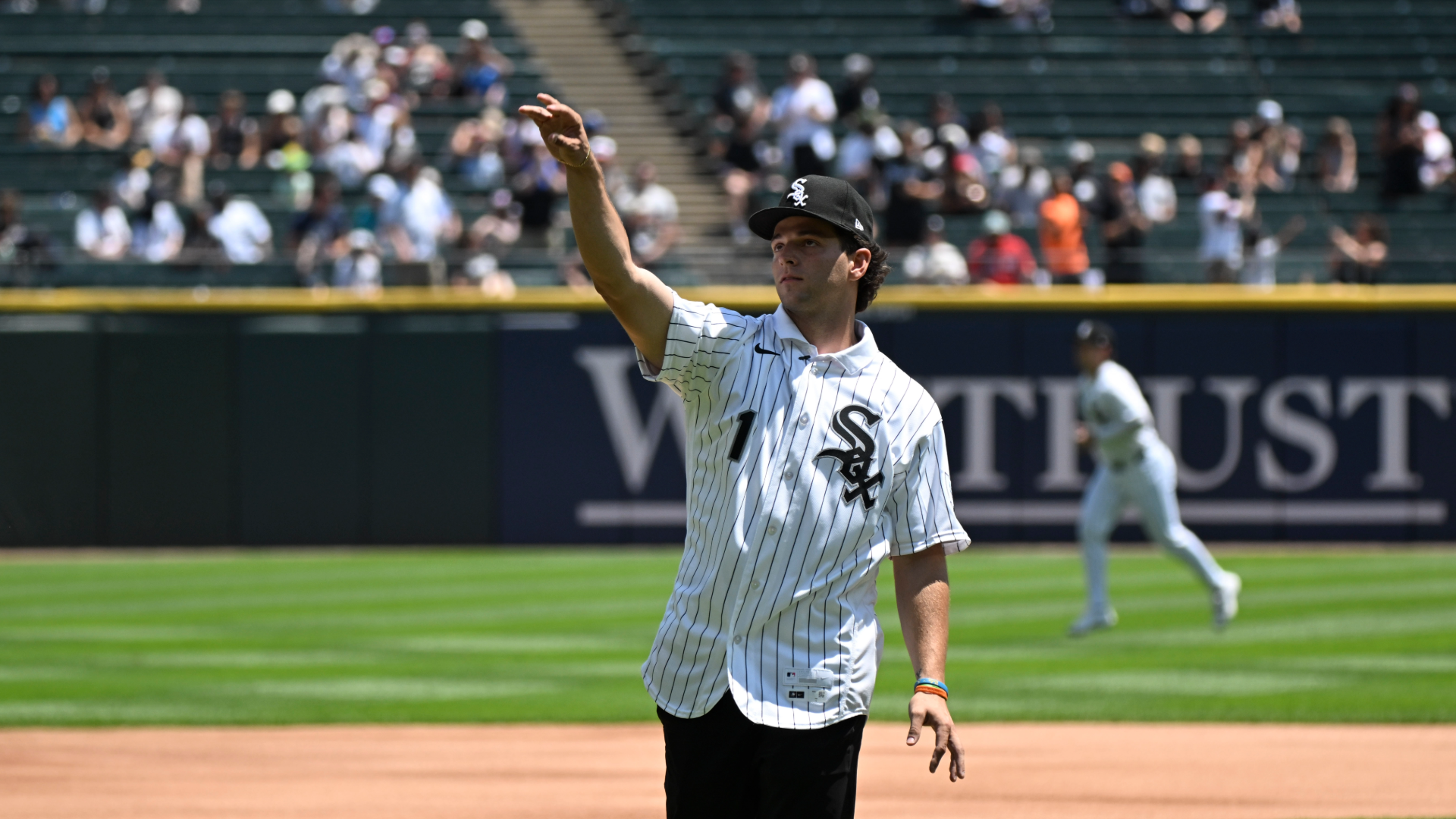
The Chicago White Sox selected UCLA shortstop Roch Cholowsky with the first pick of the 2026 MLB amateur draft on 11 July 2026, a decision that resets the franchise's rebuild around an offensive-minded infielder and continues a broader draft-era shift toward position-player premiums. Cholowsky, 21, becomes the first college shortstop taken No. 1 overall since Dansby Swanson went to the Arizona Diamondbacks in 2015, ending an eleven-year gap in which pitching prospects, catchers, and outfielders dominated the top of draft boards.
The pick is also a quiet test of whether positional scarcity still commands the same premium it once did. Shortstop has thinned across the majors since the 2015 class, and the run-up to this draft was notable for how many mock boards moved Cholowsky into the top slot late, displacing safer power arms that had occupied the conversation through the spring.
What the White Sox are buying is a left-handed-hitting shortstop whose college resume at UCLA reads like a middle-of-the-order profile. For a team that has spent two seasons purging veteran contracts and accumulating lottery odds, the bet is straightforward: take the most complete hitter in the class rather than gamble on a pitcher's medical reports. The club's farm director has not publicly committed to a development timeline, but the typical industry expectation for a college position player taken at No. 1 is a late-summer arrival or a full year in the minors before a debut.
The shortstop premium, restocked
The 2015 Swanson pick is the cleanest historical comp, and MLB's draft record shows why the gap is worth marking. Of the eleven No. 1 picks between 2015 and 2025, eight were pitchers, two were catchers, and one was an outfielder, a distribution that has shaped how teams value college shortstops relative to college arms. Cholowsky's selection narrows that window and signals at least one front office's view that the supply of impact bats has fallen faster than the supply of impact pitching.
It also tells you where Chicago thinks its competitive window sits. Pitchers commonly arrive at the majors on shorter timelines than position players, but they also carry higher attrition rates. A 21-year-old college shortstop with three years of Pac-12 competition under his belt is closer to a finished product. Chicago's contention runway, by any honest read of the South Side roster, is still three to four years out. The White Sox have the patience to develop a shortstop. They do not necessarily have the patience to develop a high-school arm.
What Cholowsky actually brings
Coverage from draft night, including the ESPN ticker summary and CBS Sports' breakdown of the selection, framed Cholowsky as the most polished bat in the class and the safest positional fit for a club looking to lock down the left side of its infield for the next decade. The standard package scouts and front offices look for at shortstop, sure hands, plus arm strength, and the offensive ceiling to hit toward the middle of a lineup, is the one scouts say he has. Whether the offensive ceiling translates against major-league pitching is the open question, but that is true of every player taken at No. 1.
Cholowsky's UCLA tenure matters here. Unlike a high-school shortstop, where projection is doing half the evaluation work, a college shortstop taken at No. 1 has typically faced three seasons of weekend rotation arms in a Power Five conference. The variance band on those players is narrower. Chicago is paying for that narrower band.
The counter-case, and why it does not quite stick
The conventional counter-argument is that a pitching prospect offers more upside at the top of the draft, on the assumption that a frontline starter moves more wins than a frontline shortstop. That argument has a real track record. The counter-argument against it is positional supply: middle-of-the-rotation starters are easier to find via trade and free agency than middle-of-the-order shortstops. Teams that already have a young ace on cost-controlled years can afford to draft a bat. Teams that have a young franchise shortstop cannot.
A second counter-case worth flagging is medical and projection risk. College bats carry lower medical risk than high-school arms, but offensive ceilings compress against major-league pitching in ways that are difficult to predict from college competition. The White Sox are betting that Cholowsky's hit tool travels. The market will start telling them within eighteen months whether it does.
What to watch before the next draft cycle
The downstream asks are concrete. First, when does Cholowsky report to the White Sox' minor-league affiliate and which level he opens at. Second, whether Chicago packages any of its existing middle-infield depth in trade talks leading up to the August deadline, a move that would telegraph how the front office plans to clear a path at shortstop sooner rather than later. Third, the slot-value allocation for the No. 1 pick under the 2026 draft pool, which will set the floor for the rest of the first round and shape whether teams above Chicago attempt to undercut by offering underslot deals to later picks. None of those questions will be answered in the next week, but the trajectory of each is now the most important storyline in the White Sox' rebuild.
One honest caveat: the public scouting ecosystem that graded this class did not converge on a single ranking, and mock boards moved significantly through the final two weeks before the draft. The pick reflects Chicago's read of the board, not a consensus view of it. That is how the draft is supposed to work, and it is why first-overall picks will keep rewarding the team with the clearest internal conviction, not the team with the loudest external one.