US pounds at least 19 sites across southern Iran in escalating aerial campaign
Open-source channels logged strikes on Qeshm, Bandar Abbas, Bushehr and the Ahvaz airport as missile launches reportedly came from Kuwaiti soil, the most direct US-Iran escalation on record.
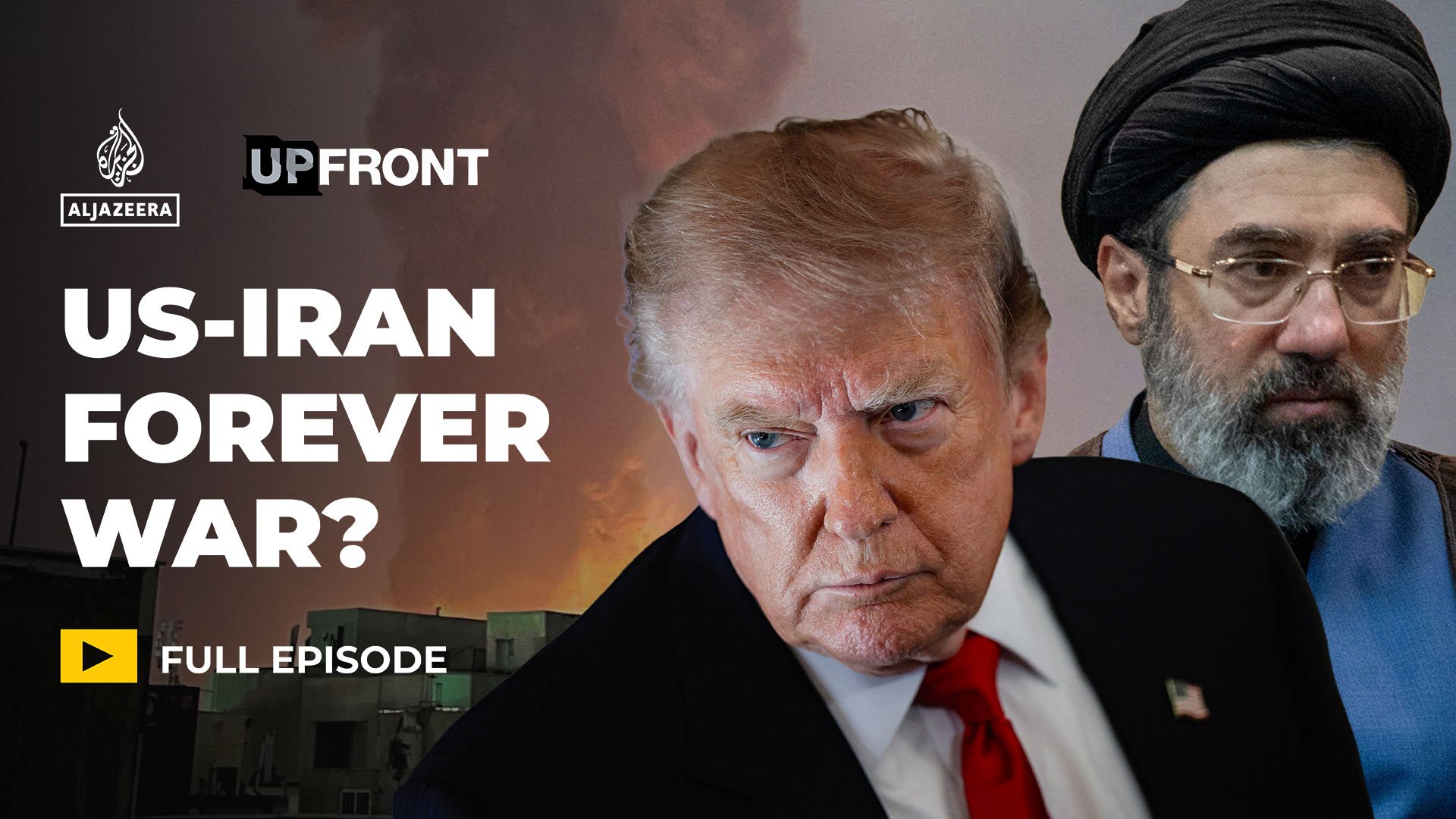
At least 19 sites across southern Iran were hit by US airstrikes in a single 12 July 2026 wave, according to open-source channels tracking the operation, with strikes logged from Qeshm Island and Bandar Abbas in the southeast to Bushehr and Khorramshahr on the Persian Gulf coast. The Telegram channel Intelslava logged the campaign as reaching 19 distinct locations, while RNIntel separately enumerated strikes on Ahvaz International Airport, Bandar-e Mahshahr, Sirik, Bandar Abbas, Chabahar, Bushehr, Qeshm Island, Bandar-e-Jask, Minab, Bandar Kangan, Omidiyeh and Emadshahr, with RNIntel adding that missile launches into Iran originated from Kuwaiti territory. The same channel described the operation as an ongoing large-scale US aerial campaign at the time of posting.
This is not a strike package aimed at a single nuclear node or a single proxy. It is a coastline-wide bombardment that mixes energy infrastructure (Bushehr, the Ahvaz airfield), port cities handling the bulk of Iran's seaborne trade (Bandar Abbas, Bandar-e Jask, Chabahar), and the islands in the Strait of Hormuz that sit on top of the world's most important oil chokepoint. The geography of the target list is the story.
What the target list tells you
Most of the named sites sit within roughly 200 kilometres of the Strait of Hormuz, the narrow waterway through which a significant share of globally traded crude transits each day. Bushehr hosts Iran's civilian nuclear power plant; Chabahar is the port India helped develop as a counter-weight to Chinese and Gulf-aligned logistics; Qeshm Island sits at the mouth of the strait itself. Strikes on Ahvaz International Airport extend the reach inland, toward the oil-rich Khuzestan province. If the operation is what the open-source channels say it is, the United States is signalling that it is willing to put Iranian energy export capacity, civilian nuclear infrastructure and Hormuz-adjacent maritime real estate inside the same risk envelope in a single night.
Intelslava's list also names Abadan and Khorramshahr, the cities that defined the Iran-Iraq war of the 1980s. That matters less for symbolism than for what they are: refining and petrochemical hubs, and rail-and-road nodes that feed Iranian logistics in the southwest.
Why Kuwait, and what the geography costs
RNIntel's reporting that launches came from Kuwaiti territory is the line that will carry the most diplomatic weight in the coming days. Kuwait hosts a substantial US air presence and has hosted US Central Command operations for decades. A launch footprint from Kuwait collapses the distance between Iranian airspace and Gulf state sovereignty, raising the question of whether the operation was coordinated with a host government or conducted under existing basing arrangements. The Kuwaiti angle also opens a second front in the regional legal framing: strikes from one sovereign's territory against a third country, without public Security Council authorisation, are the textbook definition of the use-of-force debate Iran has long made at the United Nations.
Iran's counter-frame, if past practice holds, will be that strikes on its civilian energy and transport infrastructure are crimes against a sovereign people and a violation of the UN Charter, and that the involvement of neighbouring states' airspace makes those states co-belligerents. That framing is contested, but it is the framing Tehran will deploy at the General Assembly, in OPEC, and in any back-channel to China and Russia.
What we do not yet know
Open-source channels are not primary documents. The Intelslava and RNIntel posts read as live inventories compiled from local signals, social media, and geolocated imagery; they agree on most of the southern coast but diverge on the count and on whether specific sites were hit once or repeatedly. No mainstream wire has independently confirmed the full target list as of the timestamps on the Telegram posts, and no casualty figures, Iranian casualty ministry statements, or US Central Command readouts appear in the source thread. The number 19 is Intelslava's tally, not a US government figure, and Kuwaiti involvement rests on a single open-source channel's reporting at this stage.
What is also not in the source material is a stated US objective. Without a public explanation from Washington, readers are looking at target geography and inferring intent. The most defensible inference is that the campaign is intended to degrade Iran's ability to threaten Gulf shipping and to signal a willingness to escalate beyond the kind of tit-for-tat exchanges that have punctuated the past two years. The least defensible inference is that this is a precursor to regime change; the operation looks more like coercive signalling than decapitation.
The stakes over the next 72 hours
If the strike list is even roughly accurate, three things move next. Oil markets will reprice Hormuz risk, because the target set physically surrounds the strait. Iran's retaliation options narrow in some ways and widen in others: hardened nuclear and missile infrastructure in the centre and east of the country is less exposed than the coastal energy-and-port grid that just took the hits, but Iran's forward presence in Iraq, Syria, Lebanon and Yemen gives it asymmetric ways to make the wider region pay. And the diplomatic weather in the Gulf will turn, because Kuwait, Bahrain, Qatar and the UAE will all be asked whether their airspace, bases or ports were used, and what they were told. The shape of the next week depends on how cleanly those answers can be given.
The open-source record will harden or soften as satellite imagery, local press, and official readouts catch up to the Telegram timelines. For now, the load-bearing claim is the geography: this is a coastline-and-chokepoint campaign, and it is being run from the Gulf.
Desk note: Monexus framed this as an open-source-inventory story rather than a confirmed-operations piece. The wire outlets cited in the source list (Intelslava, RNIntel) are reporting live; readers should weight named target lists as provisional until corroborated by independent imagery or official readouts.
Wire provenance
This editorial synthesis draws on the following public wire/social posts:
- https://t.me/intelslava
- https://t.me/rnintel
- https://t.me/rnintel
- https://t.me/intelslava