Kane versus Haaland, and the duel England never quite asked for
Norway travel to England on 11 July 2026 with Erling Haaland in form and Harry Kane playing down the obvious comparison. The framing writes itself. The football, as ever, will decide whether it holds.
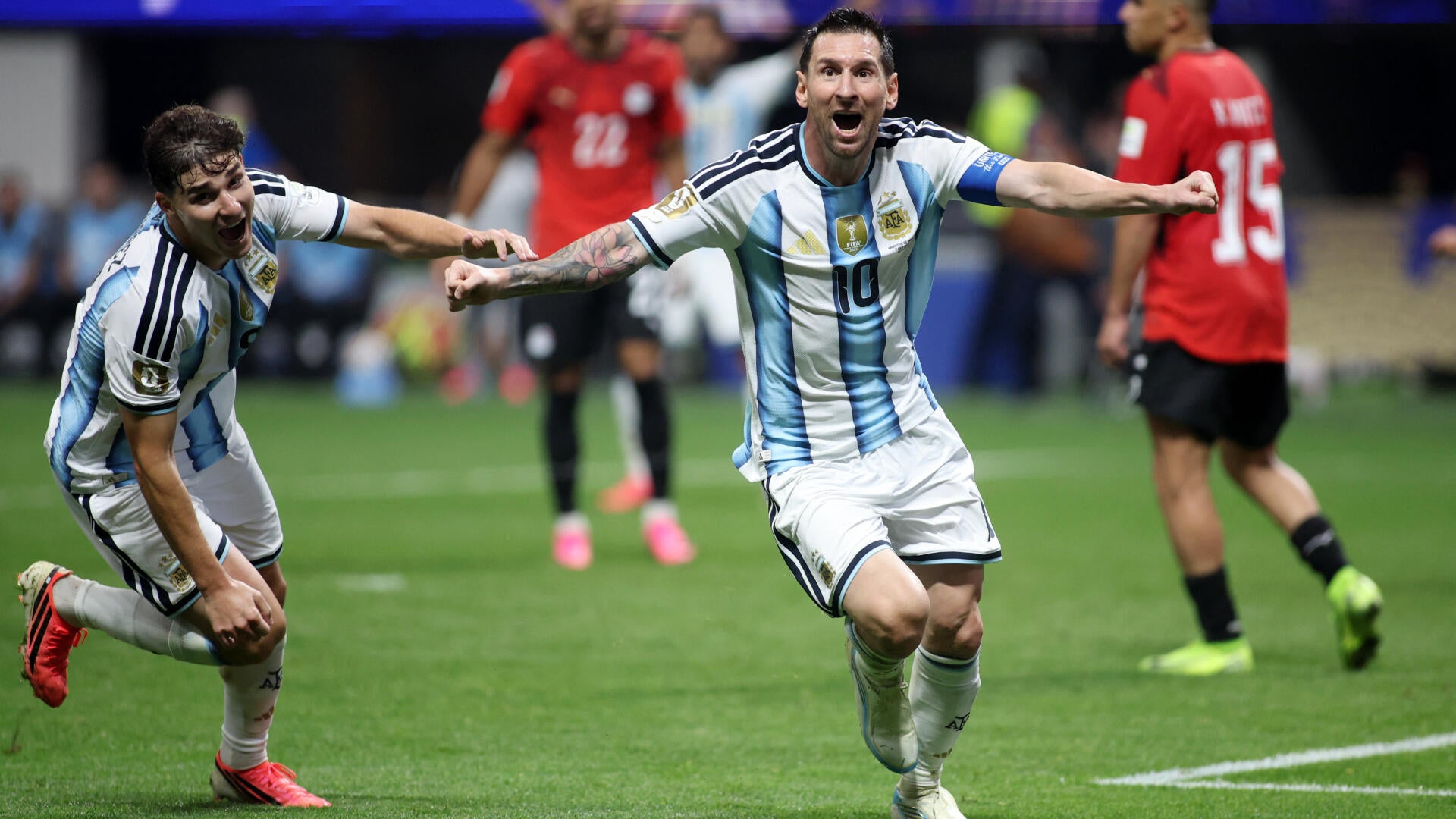
Erling Haaland scored the goal that turned a qualifier into a referendum. On 11 July 2026, the Manchester City striker arrives at an English stadium with a Norwegian side that has spent the past year forcing the rest of Europe to recalibrate, and a Harry Kane-shaped problem has followed him there. SportsLine's Brandt Sutton has spent the week running the numbers on Kane and Haaland ahead of the World Cup fixture; his pick leans on form, not folklore, and that distinction is the most useful one around the match.
This is not, despite the billing, a head-to-head between two strikers in any meaningful tactical sense. Kane plays for England as a deep-lying nine who reads the game two passes ahead. Haaland plays for Norway as a finisher who reads the crossbar. Reducing them to a single duel flatters neither, and Kane, to his credit, said as much on 11 July 2026 when an ESPN reporter framed the comparison: the two are, in his word, "completely different." That is the kind of answer a captain gives when he has read the briefing and decided to ignore it.
The odds the market is writing
Sutton's analysis for SportsLine, published 11 July 2026, treats the match as a fixture problem before it becomes a personality contest. England are favourites at home. Norway are priced as the away side with the striker most likely to punish a single defensive lapse. The model the analyst runs is a familiar one: form over the last eight qualifiers, expected goals, and shots on target per ninety. Kane's number in the relevant window is good; Haaland's is the sort of number that makes data desks at Premier League clubs stop and check whether the export file corrupted.
That gap is the structural story. Norway have spent the last eighteen months building a side that exists, tactically and emotionally, to put Haaland in front of goal. England have spent the same period building a side that does not depend on Kane in the same way. The betting market prices that difference correctly. It is also, increasingly, the way managers talk about the match. The personality contest is a tabloid line. The football contest is a study in two different sporting philosophies meeting in a knockout round.
The frame the satirist noticed
Cold War Steve, the British collage artist Christopher Spencer, saw the same picture from a different angle in the Guardian on 11 July 2026. His World Cup-themed series has spent the month laying the tournament over recognisably English street furniture, and the Haaland frame gave him exactly the image he needed: a blond striker in sky-blue landing on a high street already designed to absorb him. The joke is the absorption. Haaland, the most Norwegian of Norwegian footballers, has become a high-street product in a country that did not produce him, and the collages treat that absorption as both joke and quiet indictment of how Premier League money metabolises everything it touches.
This is the framing the Norwegian federation cannot quite answer and the English federation does not need to. The English game has had two decades of importing the world's best striker, then writing the commentary around the import. Haaland is the latest in a line that bends back to Bergkamp, through Henry, Suárez, and Kane's own peculiar English exception. Norway's job, increasingly, is to insist the player is theirs on nights like this one.
What Kane actually said
Kane's quote to ESPN on 11 July 2026 was the right one for a captain walking into the last week of a tournament build-up: careful, deferential to the opponent, and pointedly uninterested in the comparison the room wanted to draw. He used the phrase "completely different" twice in the exchange, which is the kind of repetition a striker uses when he wants the record to be flat.
There is a second reading. Kane has spent the last three tournaments being asked to be the face of an English project that is bigger than any one player, and the project has, at major tournaments, repeatedly failed to match the billing. If the captaincy lets him deflect the Haaland comparison in the group stage, it lets him carry the actual scoring burden in the knockout rounds, which is what England will need. Norway will not be the test. The round after this one will be.
What the structure is telling us
Two things are true at once. Haaland is the more individually decisive player, by almost any metric available. Kane is the more structurally important player for the team he is on, and has been for a decade. England's ceiling at this World Cup is set by how much of Kane's structural work the younger attackers around him can absorb. Norway's ceiling is set by how many chances they can build for a finisher who does not need many. Those are different problems, solved by different squads, and the market, the satire, and the data are all pointing at the same underlying truth.
The unresolved bit, which the sources do not settle, is whether Kane's framing is also the team's. England have been here before: a captain deflecting, a squad waiting for permission to peak, and a knockout round that punishes delay. The Haaland duel is the warm-up. The argument that starts after it is the one that decides how far this England side actually goes.
This piece frames the fixture as a structural problem rather than a striker contest. Monexus treats the headline duel as the surface; the column-inches go to the two systems behind it.