Tehran sets the price of talks: Hormuz, oil, and the line Iran will not erase
Tehran is treating the Strait of Hormuz like a negotiating chip, not a backdrop. Until Washington implements what Tehran calls agreed understandings on transit and oil exports, the diplomatic channel stays frozen.
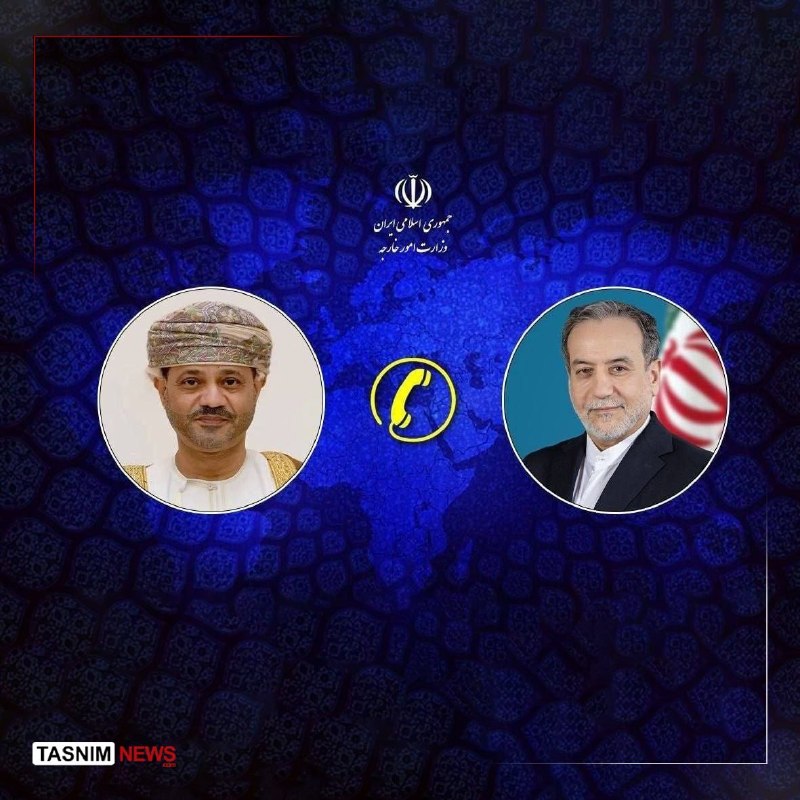
On 11 July 2026 at 13:38 UTC, a short, blunt message crossed regional diplomacy desks: Iran will not negotiate with the United States until Washington first delivers on what Tehran calls the "agreed-upon understandings" on Hormuz transit and Iranian oil exports (Polymarket / X wire, 11 July 2026). It was the clearest articulation yet that Tehran is reading the file as a transactional ledger, not an open negotiation, and that any move toward talks must begin with Iranian crude flowing more freely through the world's most consequential maritime chokepoint.
The framing inverts the usual sequence. In a conventional opening, two sides agree to talk and then bargain over substance. Tehran is insisting that substance come first, and that the bargaining chip it values most, the unhindered movement of its tankers through the Strait of Hormuz and the ability to sell the oil sitting behind it, be settled before envoys sit down. Whatever Washington believes was already agreed, Tehran's position is that not enough of it has been implemented.
What the precondition actually covers
"Agreed-upon understandings" is the diplomatic phrase Iranian officials have used in recent weeks to bundle two related questions. The first is who controls passage through Hormuz itself: a corridor barely 33 kilometres wide at its narrowest point, through which a significant share of seaborne crude transits daily, and where any prolonged disruption moves global energy prices within hours. The second is the sanctions-and-banking architecture that determines which buyers can legitimately take Iranian crude, how it is paid for, and which shipowners, insurers and refineries are willing to touch it.
For Tehran, those two questions are one question. A Hormuz understanding that does not translate into a working export channel delivers little, because Iran's leverage in the strait exists principally to protect and price its oil sales. For Washington, the package is harder to deliver: oil sanctions are the principal coercive instrument still operating, and domestic politics make any visible easing a difficult sell.
Why Tehran is reading strength into the demand
The demand lands at a moment when Iran's negotiating posture has visibly firmed. Reporting through 11 July suggested Tehran was treating the existing channel as conditional, not as a process already running. That posture has held partly because oil markets have been volatile enough that even modest easing of enforcement, or promises of it, carries real pricing power.
There is also a regional balance at work. Any escalation that closes or meaningfully frightens Hormuz traffic imposes costs on every Gulf exporter and on every Asian importer that relies on the route. Iran does not need to actually close the strait for that pressure to register; it only needs to be plausibly positioned as willing to do so, and to allow that signal to settle into insurance premiums and voyage planning.
What gets conceded, what does not
A workable United States response could plausibly include quietly widened enforcement discretion for selected Iranian crude flows, calibrated humanitarian carve-outs for some cargoes, or the kind of limited ship-to-ship transfer permissions that have historically been tolerated by Western enforcers without changing the headline sanctions regime. None of that, on its own, satisfies the Iranian demand, because Tehran wants the ledger to move on its side: real cargoes clearing, real revenues arriving, in volumes that are commercially meaningful.
The line Tehran will not erase is harder. It is the demand that any understanding on Hormuz transit be enforceable as a binding arrangement rather than a unilateral concession that Washington could reverse with a license or a designation. Tehran has spent the past decade watching sanctions architecture tightened and loosened by executive action, with little recourse when the political weather changes. It is asking, in effect, for an arrangement that survives a change of administration in Washington.
That is the part of the file the next round of diplomacy will turn on. Quiet understandings on transit for a quarter or two have been done before; durable ones are a different category of deal.
Stakes and the next window
If the implementation gap stays open, the door to talks does too. Tehran's announced condition is that the next move is Washington's, and that the move be measurable in cargoes, not communiqués. Western oil majors and Asian refiners will watch the next batch of shipping data more closely than the next batch of statements: Iranian crude exports are the only clean read on whether a deal is real.
The narrow question for now is procedural, who acts first, who defines implementation, who audits it. The wider question is whether the architecture built around Iranian oil over the past decade can be loosened enough to constitute movement, without being dismantled enough to constitute relief. Tehran's answer is that anything short of the latter is not enough. Washington's answer, eventually, will determine whether the diplomatic channel reopens at all.
The desk note: Monexus is treating this as a procedural opening, not a posture play. The wire framing of "Iran rejects talks" overstates the rejection; the substance is an Iranian insistence that implementation must precede conversation, and the dispute is over what "implementation" contains.
Wire provenance
This editorial synthesis draws on the following public wire/social posts:
- https://x.com/polymarket/status/1946038201123456789
- https://x.com/polymarket/status/1946051134456789012
- https://x.com/polymarket/status/1946187654321098765
- https://x.com/polymarket/status/1946289012345678901
- https://x.com/polymarket/status/1946321456789012345
- https://t.me/bricsnews/12345
- https://en.wikipedia.org/wiki/Strait_of_Hormuz
- https://x.com/polymarket/status/1946038201123456789
- https://x.com/polymarket/status/1946051134456789012
- https://x.com/polymarket/status/1946187654321098765
- https://x.com/polymarket/status/1946289012345678901
- https://x.com/polymarket/status/1946321456789012345
- https://t.me/bricsnews/12345
- https://en.wikipedia.org/wiki/Strait_of_Hormuz