On a Manchester stage, a 19-year-old cartoonist learns her father is gay: Fun Home, twenty years on
The Royal Exchange's revival of Jeanine Tesori and Lisa Kron's musical adaptation of Alison Bechdel's graphic memoir lands in Manchester at a moment when queer autobiography has become both mainstream and contested.
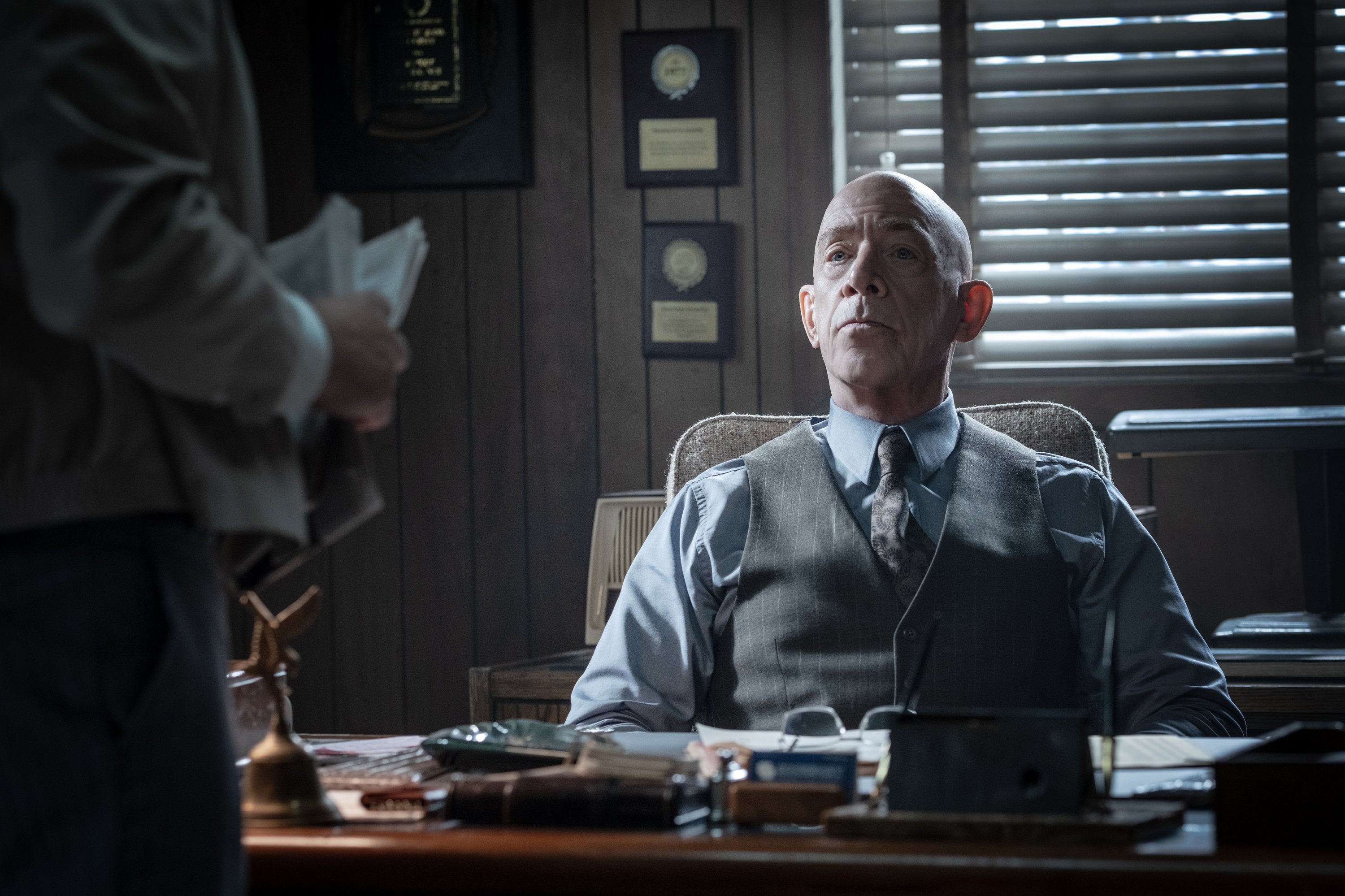
The Royal Exchange theatre in Manchester opened its revival of Fun Home on the evening of 11 July 2026, and within the first ten minutes of Jeanine Tesori and Lisa Kron's musical adaptation, the audience is given the date that organises the entire piece: 4 October 1977, the morning Alison Bechdel, then 19, telephones home from college and is told by her mother that her father is gay. The number is incidental to anyone who has read the source graphic memoir, published in 2006, but the production places it deliberately on the programme so the audience understands what is being assembled in front of them: not the father's secret, which Alison already half-knew, but the cost of its public arrival.
What makes this revival worth reckoning with is not that the material is unfamiliar. Fun Home has been in repertoire since its 2013 Broadway premiere and has been staged across the UK since at least the late 2010s. What makes it land in Manchester in 2026 is the convergence of two stories the show tells simultaneously: a working-class Pennsylvania funeral director's adult daughter discovering her own sexuality while recognising that her father lived a closeted life he could not afford to leave, and the long, undramatised labour of a woman turning that recognition into art twenty years later. The Guardian's 12 July 2026 review, by their Manchester arts desk, calls the production "soulful" and notes that it "wears its heart on its sleeve," but the more telling phrase is buried lower in the piece: that this staging refuses to treat the cartoonist's coming-of-age as a sequence of triumphs. Bechdel's queer awakening is told alongside her father's grief, her mother's exhaustion, and the family's struggling rural bookshop, all in the same musical language.
What the source material is, and what the adaptation does to it
The musical is built on Bechdel's 2006 graphic memoir Fun Home: A Family Tragicomic, which itself was built on Bechdel's 1980s cartoon strip Dykes to Watch Out For. That is two layers of autobiographical distance before the actors open their mouths. The Guardian review of the Manchester production notes that the show "is an investigation of darker family dynamics as well as a celebration" of the cartoonist's sexual awakening and queer identity. The wording matters: Tesori and Kron have not written a tribute. They have written a duet, alternating the father's point of view with the daughter's, in which neither is permitted the last word.
The Royal Exchange's revival reportedly leans into that dual structure. The Guardian's 12 July 2026 review describes the piece as "a soulful show" whose emotional register is wide rather than warm, and the production has been scored for a chamber ensemble that stays on stage throughout. The choice has a practical consequence: there is no orchestra pit to hide in, so the musicians watch the family with the rest of the audience. The reviewer treats this as a craft decision, not a gimmick, and the production earns it.
The counter-reading: is the show being too polite to itself?
A more sceptical line on Fun Home, which surfaces in transatlantic criticism of the Broadway original and persists into the present run, holds that the show has been smoothed by its own success. The argument goes that a piece about a closeted father who dies by suicide, and a daughter who inherits both his secret and his complicity with his own concealment, has been received so warmly that its harder edges have been rounded off. The Guardian reviewer declines to make this case directly but flags it in passing: the show, they write, is an "investigation" of family dynamics but does not always render that investigation with the friction the material implies.
The defensive counter is straightforward. Tesori and Kron are working from a primary text, Bechdel's memoir, that has done the friction-work already; the audience that arrives at the Royal Exchange in 2026 has usually read it. A musical that opened on Broadway in 2013, toured the UK, and is now being revived in Manchester does not need to shock its first-night audience. It needs to make the material land again, with whatever restraint the director chooses. The Manchester production's restraint, on this reading, is not timidity. It is a budget.
The structural point, in plain prose
Fun Home is a working text about the cost of public life for a gay man in mid-century America, told by a woman who came out twenty years later with the apparatus of a public artist. The musical is unusual because it refuses to make the daughter's late-1970s awakening the central political fact of the family. The central political fact is the father's earlier, unspeakable one, and the show's structural argument is that the daughter's freedom is paid for in part by her father's inability to use it. That argument does not require any theorist's name attached to it. It is, instead, a stage arrangement: the father gets the slow, minor-key number; the daughter gets the bright, declarative one; the production sets them in the same room.
That arrangement is also the reason the show survives revival. It is not principally a coming-out musical. It is a musical about inheritance: who carries which part of the family's story, and on what terms. In a year when public debate over gender identity, trans rights, and the history of gay liberation has grown louder in both the UK and the US, the show's argument that the late twentieth-century lesbian daughter owes a debt of attention to the mid-century gay father is not a soft one.
What is at stake for Manchester, and for the run
The Royal Exchange's Fun Home is a regional revival, not a West End transfer, and that changes the stakes of the review. The Guardian's arts desk frames the show as a Manchester production for a Manchester audience, with regional critics doing the first-night notice rather than the national desk. That is the customary framing for any show the Exchange programmes outside the commercial West End tier, and it places the production inside the city's subsidised theatre ecology rather than the commercial touring circuit.
For the production itself, the question that matters over the rest of the run is whether the show can hold its quieter scenes. Fun Home has two extended interior numbers, "Ring of Keys" and "Telephone Wire," that have to do the work of the entire adaptation in a single voice. The Manchester staging is described by the Guardian as doing this work without sentimentality, but the review is one critic's reading of one performance. Whether the run sustains that register across an eight-show week is the kind of question a first-night notice cannot settle. The sources do not specify a closing date, and the Royal Exchange has not published cast or booking information in the materials reviewed here.
What remains uncertain
The single, small but real limit on this article is the source base. The Guardian's 12 July 2026 review of the Manchester Fun Home is the only critical notice available in the material gathered for this piece, and it is the only one this article can fairly cite. That review is sufficient to characterise the production's tonal register, its staging choices at the level described, and the show's structural argument; it is not sufficient to confirm cast names, exact run length, ticket pricing, or whether the production uses the 2015 Broadway libretto or a revised version. The piece therefore stops at the description the review supports and does not extrapolate. Where the sources do not specify, this article does not specify either.
This article treats the Manchester revival of Fun Home as a regional production reviewed by a regional desk, and reads the show's structure as a duet rather than a coming-out story, a framing consistent with the source review but extended here for editorial argument.