Four left standing: the 2026 World Cup semifinals that the bracket had been pointing toward
France v Spain and England v Argentina will decide the finalists, the four-nation bracket the tournament had been circling toward since the knockout rounds began.
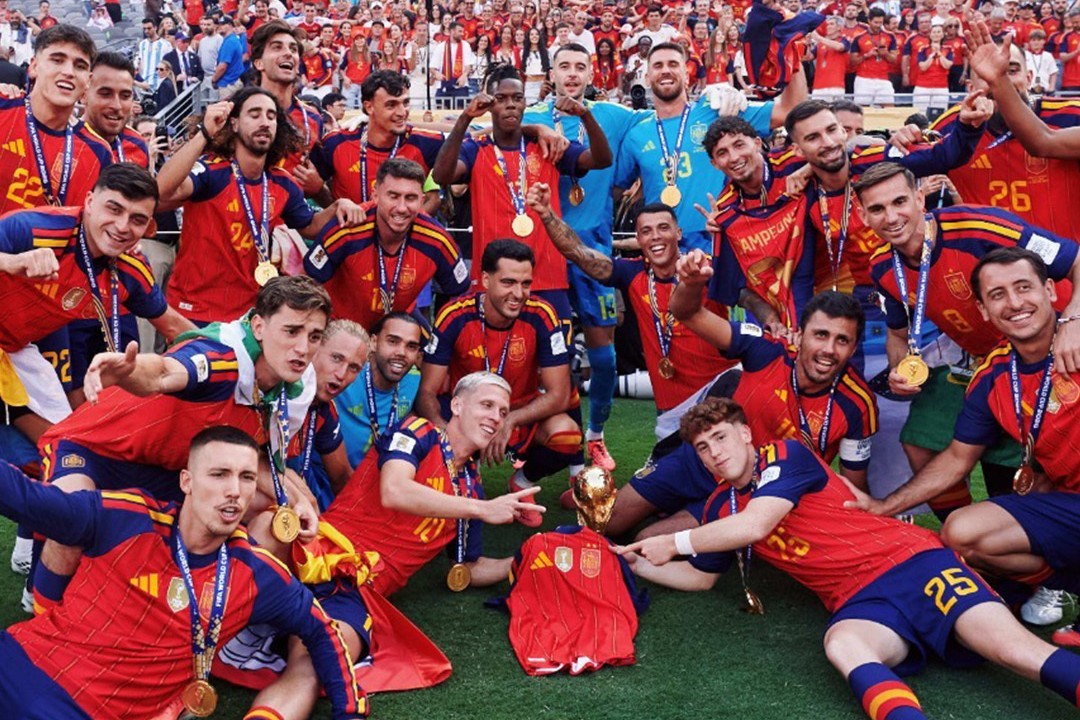
At 05:52 UTC on 12 July 2026, France 24's French-language wire posted a single sentence that read less like news than like a coronation: France v Espagne et Angleterre v Argentine, comme si c'était écrit. The 2026 World Cup had, in its view, delivered an unsurprising verdict after the quarter-finals. Four federations left. Two fixtures. A final no neutral will have to pretend to be ambivalent about.
The lineup is the one the bracket had been pointing toward since the group stage produced no truly novel guest. France, Spain, England and Argentina are the four sides most observers expected to populate the closing fortnight of the tournament, and the semifinal pairings assembled them into the two most-watched fixtures the modern game can offer: a European heavyweight round between the reigning stylistic reference point of the continent (Spain) and the deepest squad in the competition (France), and a transatlantic grudge match between England and Argentina that does not need the 2022 chapter to justify itself. Per FIFA's official feed on X, confirmed at 06:00 UTC on 12 July, the four-nation bracket is now set, with the two semifinals scheduled to decide the finalists.
The European heavyweight round
France-Spain is the tie that reads cleanly on paper and scrambles the moment a ball is kicked. Spain arrived at the last four as the side everyone has spent the cycle trying to work out: a possession architecture refined to the point of compulsion, a frontline that rotates without losing threat, and a midfield that dictates tempo in a way no other team at this tournament has managed to replicate. France is the inverse: less prescriptive in possession, more violent in transition, with the kind of squad depth that allows a manager to change a game from the bench as decisively as from the touchline.
The tactical subplot is whether Spain can keep the ball away from France's press long enough to make the game a possession problem rather than a counter-attacking one. The historical read favours neither side. France-Spain at a major tournament is not a frequent fixture; the 2006 round-of-16 encounter and the 2012 quarter-final remain the modern reference points, and neither offers a clean template for how this one will resolve itself. What can be said is that the side which loses this semifinal will not lose it for want of options.
The grudge match the calendar handed us
England v Argentina needs no manufactured narrative. The 2022 quarter-final, decided on the most-watched night of that tournament, lives in the memory of both fanbases in a way that no other recent fixture does, and the 2026 bracket has produced the rematch the marketing department would have ordered if it had been allowed to. What is different this time is the cast. The Argentine side that meets England in the semifinal is not the 2022 side; the personnel turnover in three and a half years has been significant, and the manager who presided over that night is no longer in the dugout. England, similarly, has cycled through a generation of selection debates that have only intermittently settled.
The honest read is that the rivalry is the draw. Both sides have reached the last four on merit, both are capable of winning the tournament from here, and both know that losing to the other carries a freight that losing to anyone else does not. The wire coverage from France 24 captured the mood in a single phrase: comme si c'était écrit. As if it were written.
The counter-read: this is not destiny, it is selection
The temptation, watching four football superpowers fill the semifinal bracket, is to treat it as a verdict on the global order of the game: the usual suspects, again, the established order reproducing itself. There is something to that read. The gap between the federations that can consistently reach the last four of a World Cup and the ones that cannot has not narrowed across this cycle; if anything, the knockout rounds have confirmed it.
But the framing deserves a counter-weight. The bracket is the product of a tournament structure that has expanded, of qualifying paths that have widened, and of a competitive depth in the middle of the field that produced genuine shocks earlier in the competition. The four sides left standing are the four best-resourced footballing nations on earth, and the World Cup, for all its romantic irregularity, has tended over decades to reflect that resource distribution. The semifinal line-up is unsurprising because the underlying conditions that produce it are durable, not because the script was pre-written.
What the next six days decide
Two fixtures, two results, one final. The winners meet on 19 July 2026 in the final; the losers go home with the specific regret of having been beaten by the only opponent in the tournament that would have hurt quite this much. The broadcast economics of a France-Spain or England-Argentina final are not incidental to how this tournament has been staged, and the wider football economy, the television rights, the sponsorship architecture, the betting markets that have priced both semifinals as roughly even, will treat the result as a confirmation of a market view rather than a surprise.
The nuance the wire coverage has not yet resolved is fitness and selection. The quarter-finals took physical tolls on all four sides, and the managers will spend the next 72 hours rotating, resting and not saying which way they are leaning. What can be said is that the semifinal bracket the tournament has produced is the one it was always most likely to produce, and that the only thing left to determine is the order in which the two favourites are eliminated.
Desk note: Monexus has framed this piece around the bracket the wire confirmed at 06:00 UTC on 12 July, treating the four-nation lineup as the central fact and the two fixtures as the unresolved variables. France 24's comme si c'était écrit line is held up as the editorial voice's interpretive anchor rather than the article's own verdict.
Wire provenance
This editorial synthesis draws on the following public wire/social posts:
- https://x.com/cgtnofficial/status/
- https://t.me/france24_fr