England ride Bellingham brace past Norway and into a World Cup semifinal nobody saw coming
A 2-1 extra-time win sealed by Jude Bellingham sends England into the last four, while Polymarket prices the Three Lions at roughly 20 percent to lift the trophy.
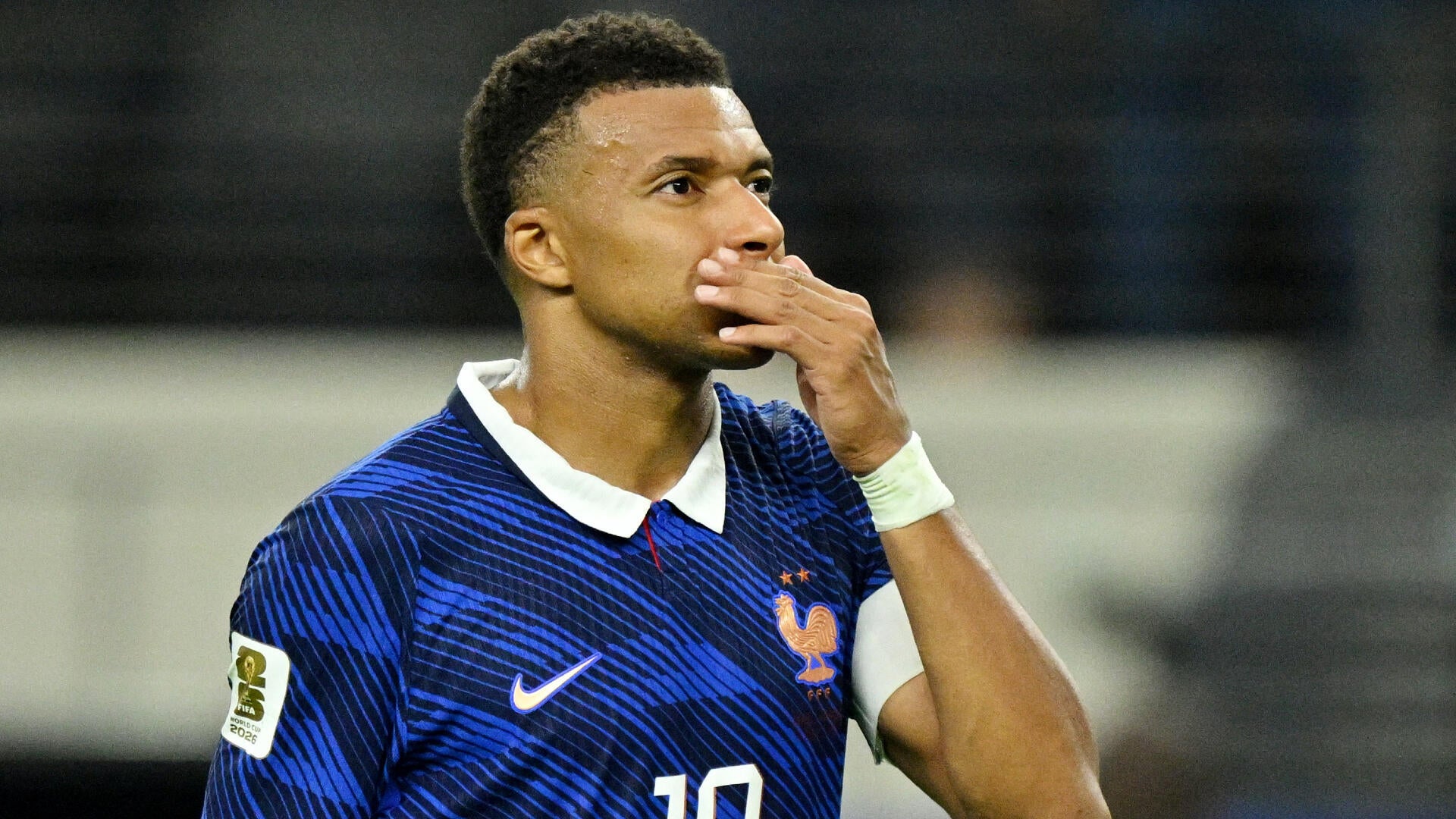
England trailed Norway 1-0 with twenty-five minutes left in Verona on Friday evening, and the story being written across most of the second half was a familiar one: a gifted team unable to convert possession into the kind of goal that decides matches in knockout football. Jude Bellingham rewrote it. The Real Madrid midfielder equalised in the 80th minute and scored again early in extra time to give England a 2-1 win, the first World Cup meeting between the two nations, and a place in the semifinals of the 2026 tournament. Confirmation of the result moved across global wires within minutes of full time. The next line of the story, however, is about something far smaller than a football: a strand of overhead wire that cameras picked out above the pitch shortly before the equaliser went in.
The win keeps England alive in a tournament whose financial gravity has shifted almost beyond recognition. FIFA confirmed separately on Friday that it will sell pieces of the turf used at the World Cup final stadium as memorabilia, priced between $450 and $1,200 a fragment, a reminder that the commercial scaffolding around this competition now generates revenue streams most federations would once have considered undignified. On prediction markets, England sat at roughly 20 percent to win the whole thing as Bellingham's second goal hit the net, a price that reflects a side the market still does not fully trust to finish the job.
A game that turned on one player
The shape of England's evening in Verona was, until the 80th minute, a study in stalled progression. Norway, compact and disciplined, took the lead and sat into it. England's midfield had possession without incision. BBC Sport's player ratings afterwards described a side that Bellingham had, in the words of reporter Alex Howell, "dragged through all tournament," and the rating sheet made the same point the scoreboard did: one midfielder playing at a tempo none of his teammates could match for ninety minutes and beyond.
Bellingham's first goal, a controlled finish from inside the area after a sequence that began with England committing numbers high up the pitch, changed the geometry of the match. Norway, who had been content to absorb pressure, were suddenly forced to play the width of the pitch. The second, three minutes into extra time, came from a move that started in England's half and ended with Bellingham arriving late at the far post, the kind of run defenders find impossible to track for a hundred and twenty minutes. Norway pushed afterwards; they did not equalise.
The wire that wasn't
Within seconds of the equaliser, slow-motion replays began circulating on social media showing what appeared to be a thin cable sagging across the upper part of the frame. The implication, advanced by some accounts, was that the ball had made contact with the wire on its way to goal. FIFA denied it. There is no independent confirmation in the wire reporting that any ball made contact with any cable, and there is no VAR-triggered review of the goal that suggests the officials saw anything of the sort. The clip did its own work regardless. For a tournament already living under the most surveilled broadcast arrangement in football history, the optics of an unaccounted-for strand of hardware crossing the goal-line camera angle was always going to travel.
The episode is small, but it sits inside a broader pattern worth naming. The 2026 World Cup is the first to be played under the new FIFA broadcasting and officiating regime that ties every stadium to a centralised video operations centre. The same cameras that produced the wire clip also produced the angles that confirmed the goal was clean. The technology caught itself in the rumour cycle, which is the best case; the worst case, had the goal been disallowed, would have been a different kind of story entirely.
A market that has not been convinced
England's path through this tournament has been good enough to keep them in the semifinals and volatile enough that prediction markets have not bought in. Polymarket priced England at approximately 20 percent to win the tournament on Friday night, a figure that places them behind at least one side they have already beaten, and reflects a market that has watched this team concede first in three consecutive knockout-stage matches. The same venue, the same commercial logic, the same dressing room: a side that wins ugly is still a side the market has to be paid to believe in.
That gap between result and expectation is, in the end, the most interesting part of England's evening. The team is winning. The price has not caught up. Whether the two converge before the semifinal will tell us more about the squad than any of the goals scored so far.
What Friday actually settled, and what it did not
England are in the last four. Bellingham has a tournament-defining performance to his name. Norway are out of a World Cup for the first time since a generation ago, and they exit with the respect of a side that made a favourite look ordinary for most of ninety minutes. FIFA's denial of the wire contact will hold unless independent broadcast evidence emerges in the next forty-eight hours, and there is no indication in the reporting so far that any such evidence is forthcoming.
The remaining uncertainty is structural rather than narrative. England have, by any reasonable reading of the run of play, outperformed their market price at every stage of this tournament and have done so by leaning on a single player in a way that will become harder to sustain in the semifinal, where the opposition will be a tier above what Norway offered. Whether Thomas Tuchel's side can broaden the source of their goals, or whether the tournament continues to run through one man's boots, is the question the next match will answer. Friday settled the question of who is still playing. It did not settle who is most likely to win.
Wire provenance
This editorial synthesis draws on the following public wire/social posts:
- https://t.me/s/telegram_channel_olympics