Treasury freezes the spigot as Hormuz talks stall
Washington says it will keep Iranian assets frozen until 'unacceptable behavior' stops; Tehran says it will not negotiate until the U.S. implements agreed-upon understandings on Hormuz transit and oil exports.
At 20:42 UTC on 11 July 2026, the U.S. Treasury Department put a number on its Iran posture: none of the Iranian assets Washington has frozen will be released so long as Tehran continues what it called "unacceptable behavior." The wording, circulated by social-feed channels monitoring Treasury statements, leaves the asset pool, the trigger conditions, and the timeline deliberately undefined, but the signal is unambiguous. The financial lever that has accompanied every previous diplomatic opening with the Islamic Republic is being treated as a one-way ratchet.
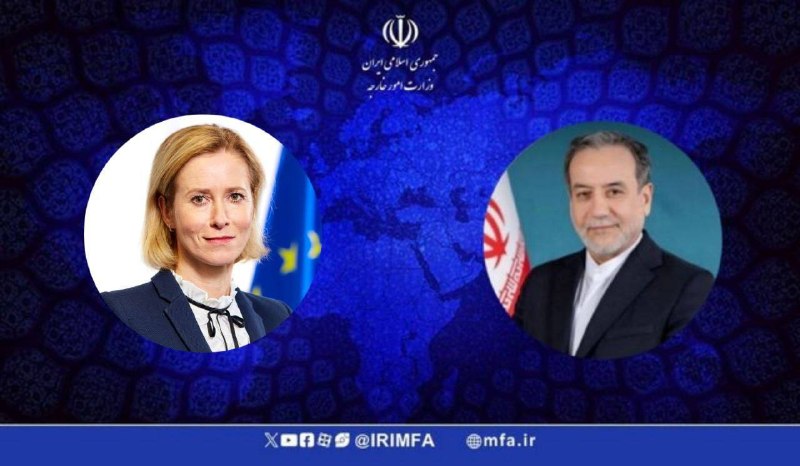
That posture meets a negotiating partner that, seven hours earlier, had already walked away from the table. At 13:38 UTC, Iranian officials rejected fresh talks unless Washington first implements "agreed-upon understandings" on two specific files: the regulation of tanker traffic through the Strait of Hormuz and the unfettered export of Iranian crude. The exchange, captured on research-feed channels tracking Iranian state-aligned messaging, frames the impasse not as a disagreement about whether to negotiate but as a sequencing argument about who moves first.
The U.S. position: leverage before language
The Treasury line is the public face of a broader administration stance. A day earlier, at 21:19 UTC on 10 July, U.S. officials had demanded that Iran reopen every lane of the Strait of Hormuz to commercial traffic, without tolls and without conditions, or face what one account described only as a "bad outcome." The demand is unusually specific in its shipping mechanics; it is unusually vague on the consequences. That asymmetry is the point. Washington is asking Tehran to give up the only revenue instrument it currently controls inside the waterway while reserving for itself the full menu of escalation options.
For an administration that has spent two years rebuilding the architecture of secondary sanctions, the strategic logic is straightforward. Frozen assets are a slow-moving but cumulative pressure tool; a reopened Hormuz is a one-time concession that cannot be re-imposed. Trading the former for the latter would invert the leverage structure that the sanctions campaign was designed to produce.
The Iranian counter: the waterway as the only card left
Iran's response is equally structural. By tying any future negotiation to "agreed-upon understandings" on Hormuz transit and oil exports, Tehran is conceding, in effect, that the nuclear file is no longer the central bargaining chip it once was. What remains is geography. The Strait of Hormuz is the single chokepoint through which the majority of Gulf crude reaches open water, and Iran has spent the past decade building a layered capability to regulate, surveil, and selectively impede that traffic.
The sequencing argument, that Washington must implement before Tehran talks, is also a sovereignty argument. Accepting Treasury's framing would mean accepting that the terms under which Iranian oil enters world markets are set in Washington, not in Tehran. Iran's negotiating posture, even when rejected, is designed to keep that question alive in the international legal register rather than concede it by default.
What the assets actually are
The phrase "frozen Iranian assets" covers a wider portfolio than the headline escrow accounts in third-country banks. It includes central-bank reserves held abroad, balances tied up in international clearing systems, and the residual proceeds of oil sales that have been routed through complex intermediary arrangements since the early rounds of sanctions. Treasury has not, in the public statements available, drawn a distinction between humanitarian-related carve-outs, which have historically been used to keep food and medicine flowing, and the broader reserve pool. That silence itself is informative: it suggests the current freeze is meant to be read as total rather than category-by-category.
For Iranian planners, the calculus this produces is familiar. The assets are useful less as a source of liquidity than as a hostage reserve; their release would, in theory, accompany any future diplomatic settlement. Foreclosing that release now removes a key piece of the inducement architecture that previous rounds of diplomacy relied on.
Stakes and the path through summer
The near-term stakes are oil flows and insurance premia, not grand strategy. Tanker traffic through Hormuz is priced daily in the Lloyd's-listed war-risk books, and any sustained ambiguity about whether the waterway is fully open translates almost immediately into higher freight, higher insurance, and a steeper discount on Iranian crude that is willing to move at all. Those costs do not stay in the Gulf; they pass through to import-dependent buyers in Asia and, eventually, to retail fuel prices in markets that have no direct stake in the underlying dispute.
Over a longer horizon, the structural question is whether a financial lever and a geographic lever can coexist in a negotiation in which each side treats its own lever as non-negotiable. Treasury's announcement and Iran's rejection, issued within a single news cycle, suggest the answer so far is no. What the sources do not yet show is whether a third party, whether a Gulf state with both assets and access at risk, or an Asian buyer with a refinery schedule to protect, will step into the gap before the impasse hardens into a precedent.
Wire provenance
This editorial synthesis draws on the following public wire/social posts:
- https://x.com/sprinterpress/status/...
- https://x.com/polymarket/status/...
- https://x.com/polymarket/status/...