Oman's twin-corridor pitch: keep the Strait of Hormuz open, on Oman's terms
Muscat has proposed running the southern corridor through its own waters and the northern corridor through Iranian waters in parallel. The plan sidesteps a binary choice between blockade and concession.
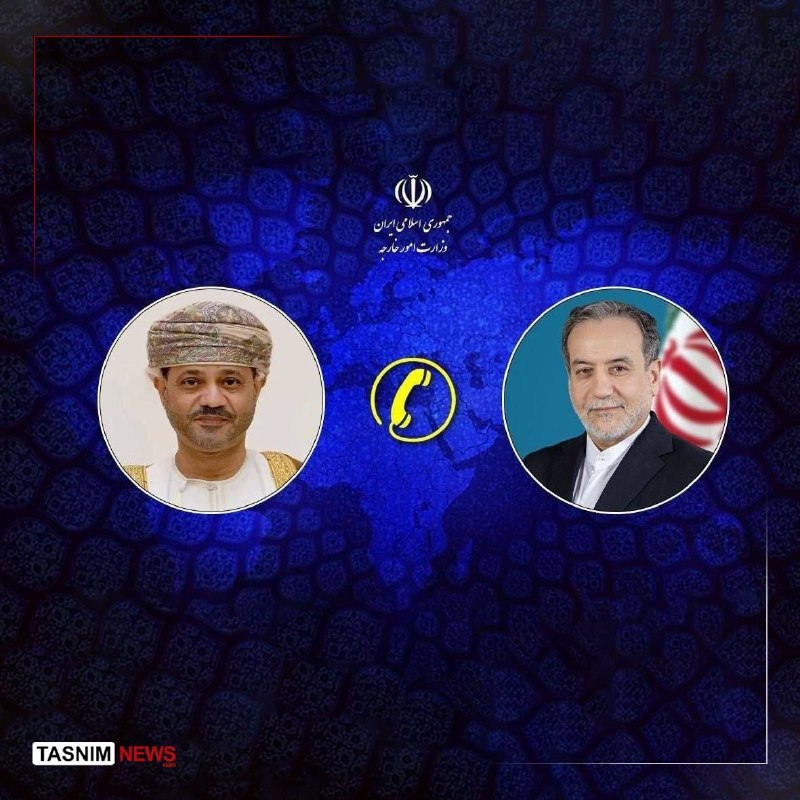
At talks in Muscat on 11 July 2026, Oman put a structural fix on the table for the crisis choking the Strait of Hormuz: run the southern shipping corridor through Omani waters and a parallel northern corridor through Iranian waters at the same time, under a single diplomatic arrangement brokered by the Gulf state, per Axios's Barak Ravid reporting carried by two separate channels in the wire at 19:50 and 19:55 UTC.
The proposal reframes a standoff that has, until now, been narrated as a binary. Tehran either reopens the strait on Western terms or it doesn't. Muscat is offering a third option: keep both lanes live, attribute the southern lane to Omani sovereignty and the northern lane to Iranian control, and let Washington and Tehran each claim enough of the outcome to sell the deal at home.
What Oman is actually proposing
The mechanics are deliberately modular. A diplomat briefed on the Muscat talks told Axios that the Omani plan would see the southern corridor, which runs through Omani waters, and the northern corridor, which runs through Iranian waters, operate "fully" in parallel rather than as substitutes. The phrasing matters. "Simultaneously" and "fully" rule out the sequencing trick that has stalled earlier drafts, in which one side was expected to move first and the other reciprocate.
What remains opaque is the enforcement layer. The two Telegram-sourced wires that carried Ravid's reporting do not specify which flag-state naval assets, if any, would escort commercial tonnage through each lane, nor whether the corridors would be physically demarcated or merely diplomatically declared. The proposal as described is a political architecture, not a CONOPS.
Why the framing has shifted
Until this week, coverage of the Hormuz crisis has run on a familiar axis: Iranian threats to close the waterway, US carrier strike group deployments in the Gulf of Oman, and a diplomatic track that produced communiqués without movement. The Omani move breaks that pattern by inverting who owns the choke point.
Muscat has spent the past two years positioning itself as the Gulf's indispensable back-channel, hosting back-to-back rounds between US and Iranian delegations while its neighbours in Riyadh and Abu Dhabi kept a colder distance. By proposing a twin-corridor scheme that assigns each lane to a different sovereign, Oman converts that mediation capital into a structural role. If the arrangement holds, Omani waters and Omani diplomacy become load-bearing for global energy flows, a status upgrade that does not require a single new pipeline or military base.
The political economy is also different from previous drafts. Iran gets a recognised lane under its own flag-state control, which the Islamic Republic can present domestically as sovereign management of the northern strait. The United States gets continued commercial transit and an off-ramp from a kinetic scenario that neither the Pentagon nor Gulf allies are publicly eager to escalate. Oman gets the brokerage rent.
The reading that should be tested
There is an alternative read that the proposal's boosters would prefer to ignore: the twin-corridor scheme could be a confidence-building placeholder that defers the hard questions. Under that interpretation, parallel operation is a face-saving arrangement that buys six to twelve months of de-escalation while the underlying dispute over Iran's nuclear file, missile programme and proxy posture remains frozen.
The case for that read is structural. No diplomatic architecture that splits a single maritime transit space between two sovereigns has ever held for long without a third-party enforcement mechanism, and the wires on Ravid's reporting do not name one. The case against is also structural. Hormuz is simply too valuable, and too dangerous, for either Washington or Tehran to prefer a return to the pre-July risk curve. Both sides have an interest in the lanes staying open even if neither has an interest in declaring victory.
What the available reporting cannot tell us, and what this publication will watch for in the coming days, is whether the Muscat draft survives translation into a US-Iran joint statement. Ravid's reporting describes an Omani proposal, not a US-Iran agreement. The test is whether Tehran accepts the attribution of the northern lane to Iranian sovereignty, and whether Washington accepts the implicit recognition that comes with it.
Stakes, on a clock
If the twin-corridor plan moves from proposal to operating reality, three things change at once. Tanker insurance premiums through Hormuz, which spiked during the late-June scare, should retrace. The political premium attached to a US-Iran kinetic scenario, which had been rising on Pentagon watch-floor briefings, would compress. And Oman, long treated in Western reporting as a quiet mediator, would become a structural actor in the Gulf security architecture with a veto over the busiest oil chokepoint on earth.
If it doesn't move, the same wires that carried Ravid's scoop will, within days, be carrying the familiar vocabulary: deployment, sanctions snapback, freedom-of-navigation operation. The window Muscat has opened is narrow precisely because it offers everyone a way out that no one had to ask for. That is usually the kind of offer that lasts only until the first party decides the status quo is preferable to the deal.
The honest uncertainty here is also worth naming. The two source items that surfaced the proposal are Telegram re-posts of Axios's reporting; the underlying Axios piece carries the substance. We do not yet have on-the-record confirmation from the Omani foreign ministry, the US State Department, or the Iranian foreign ministry that the twin-corridor architecture is being negotiated as described rather than floated as a trial balloon. Until one of those three speaks, the proposal is what diplomats call a "non-paper": directionally important, politically deniable.
Desk note: Monexus framed the Muscat talks around the structural novelty of the proposal, not the personalities around the table. The dominant wire line on Hormuz has been carrier-group-versus-IRGCN, which is theatre; the Omani move is architecture. We will follow up when primary confirmation lands from Muscat, Washington, or Tehran.
Wire provenance
This editorial synthesis draws on the following public wire/social posts:
- https://t.me/wfwitness
- https://t.me/intelslava