Netanyahu's trust collapses to 60% distrust as Eisenkot emerges as the alternative
A new Israeli survey published 11 July 2026 puts distrust of Benjamin Netanyahu at 60%, with 54% of respondents saying they trust his likely challenger, former general Gadi Eisenkot.
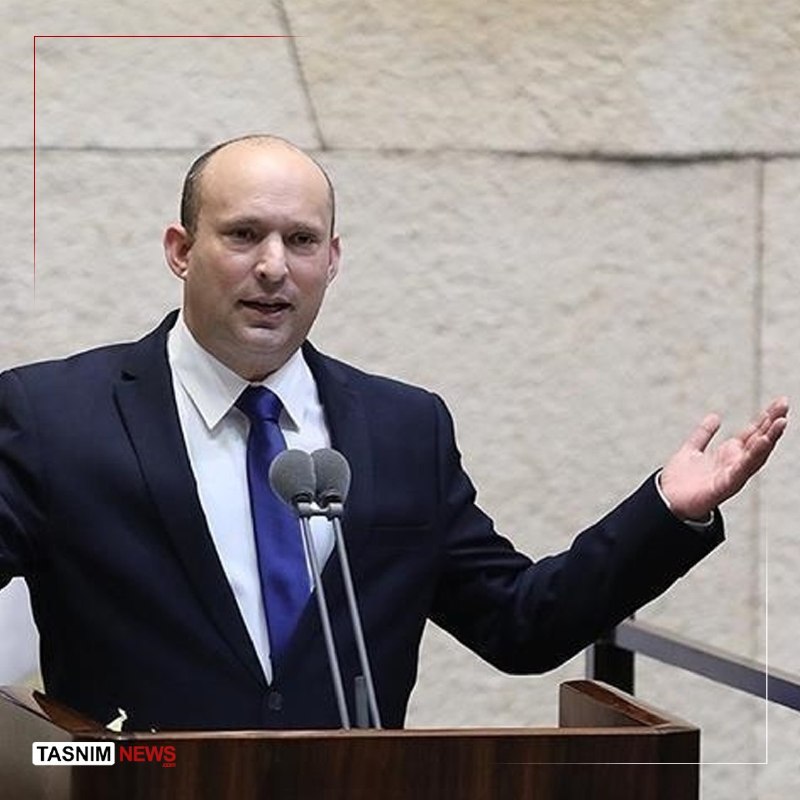
A new Israeli survey published on 11 July 2026 puts distrust of Prime Minister Benjamin Netanyahu at 60%, with only 38% of respondents saying they trust him in his current role, according to a polling breakdown circulated by sprinter_press on X. The same poll shows former IDF chief of staff and outgoing National Unity minister Gadi Eisenkot, 66, drawing a 54% trust rating, a 16-point gap that has turned the contest into something closer to a one-man referendum on the incumbent than a normal mid-cycle mood check. Reporting on the survey was also amplified by Jahan Tasnim, an outlet tied to Iranian state-aligned media, which framed the numbers as evidence of collapse in the political standing of the Israeli premier. The provenance matters: the Iranian-channel mirror amplifies a result that domestic pollsters must still corroborate with their own methodologies, but the underlying figure has not been seriously disputed.
The numbers are striking on their own terms, but the context in which they land is heavy. Israel remains at war on multiple fronts, the hostage file remains open and politically charged, and a corruption trial against the prime minister continues to advance through the courts. Distrust at this scale is not an abstract grievance: it is the gap between a government asking the public for patience on issues it calls existential and a public that no longer accepts the messenger.
The shape of the distrust
The headline figure, 60% distrust against 38% trust, is consistent with the trajectory visible in earlier 2026 surveys, which had Netanyahu trailing Eisenkot and other rivals by margins of between eight and fourteen points. What is new is the speed of the move: the trust line has dropped faster than the economic-or-security mood indicators that usually pace such movements, suggesting that the shift is being driven less by conditions on the ground than by accumulated political fatigue. A second reading is that the figures understate the prime minister's base: in a fully enfranchised right-wing universe his floor would be higher than 38%, and a portion of the 22-point gap may reflect undecided voters leaning negative rather than committed opposition. The dominant reading, however, is that Netanyahu's coalition partners are now operating on borrowed time and that any cabinet decision carrying short-term political cost will be evaluated through the longer-term question of succession.
The Eisenkot side of the ledger matters too. The 66-year-old former chief of staff has spent the past year cultivating a national-unity profile: hawkish on security questions, willing to sit in a wartime cabinet, deliberately dry in his public register. National Unity's centrist voters see him as a guarantee against the more ideological fringes inside the wider coalition, and rivals inside Likud see him, plainly, as the man they will have to beat. A 54% trust rating without an active campaign infrastructure behind it is not a coalition; it is permission to run.
What the result does not yet show
A single poll, however ugly for its target, is not a coalition collapse. The survey's methodology, sample size, margin of error, and sponsor were not specified in the circulating notes from either Jahan Tasnim or the X-posted version, and Israeli pollsters routinely disagree with one another by margins larger than the swings that move government formation. The 60% figure should be read as a sentiment indicator, not a forecast: among registered voters, in a given cell of the phone frame, on the day the fieldwork was conducted, Netanyahu trailed Eisenkot by a wide margin. How that margin translates when Gaza-bloc voters, West Bank settlement voters, and the Haredi parties begin to coalesce around their preferred lists is a separate question, and one the available source material does not address.
A second caveat is more political than statistical. Even an unusually clean succession contest needs a vehicle. Eisenkot has not announced a party, a list, or a date. National Unity's internal leadership question, the conditions under which Benny Ganch and Yair Lapid are willing to share a ticket, and the rules around a possible early election are not in the public notes of either source item. The poll measures appetite; it does not yet measure feasibility.
Why the coalition partners are watching
In Jerusalem, the practical question is what happens to the budget vote scheduled for the autumn, to the conscription bill that remains stuck in committee, and to the hostage negotiations that have, on any honest reading, outlasted the public's patience. Cabinet ministers in the more ideological parties need to decide whether to spend the next four months sharpening their own lists for an inevitable primary season or to make one more attempt at an internal reset. The numbers suggest the second option has a shorter runway than it did a month ago, but Israeli coalition arithmetic has produced surprises before.
For the wider political economy of the region, the result of the survey is being read as a measure of how the war is landing at home. The Israeli electorate has historically rallied around its leaders during active operations; the trust gap is the inverse of that pattern, and outside capitals that watch Israeli politics closely, including Cairo, Amman, and Doha, analysts will be weighing the implications for any near-term deal on Gaza or the north. The sources reviewed for this article do not engage with that wider question, but it is the implicit one driving the interest in what would otherwise be a routine number.
What to watch
The next test is corroboration. If Channel 12, Channel 13, and the major Israeli papers publish their own surveys and confirm the 60% figure within a week, the political move inside Likud and the smaller coalition partners will accelerate measurably. If the figure softens, the incumbent regains a month of operating room. Either way, the underlying direction is now harder to dispute than it was a month ago. The 60% marker is less a verdict than a deadline.
Monexus framed the 60% figure on 11 July 2026 against the methodological caveats omitted from the circulated X post, and noted that the same number appears in Iranian-aligned channel coverage before any Israeli wire release, a sequencing worth marking in the citation ledger.
Wire provenance
This editorial synthesis draws on the following public wire/social posts:
- https://t.me/s/JahanTasnim