Why Tokyo's billions haven't tamed the yen
Japan has spent record sums defending the yen in 2024 and 2025, yet the currency keeps sliding. A Reuters podcast lays out what the intervention math misses.
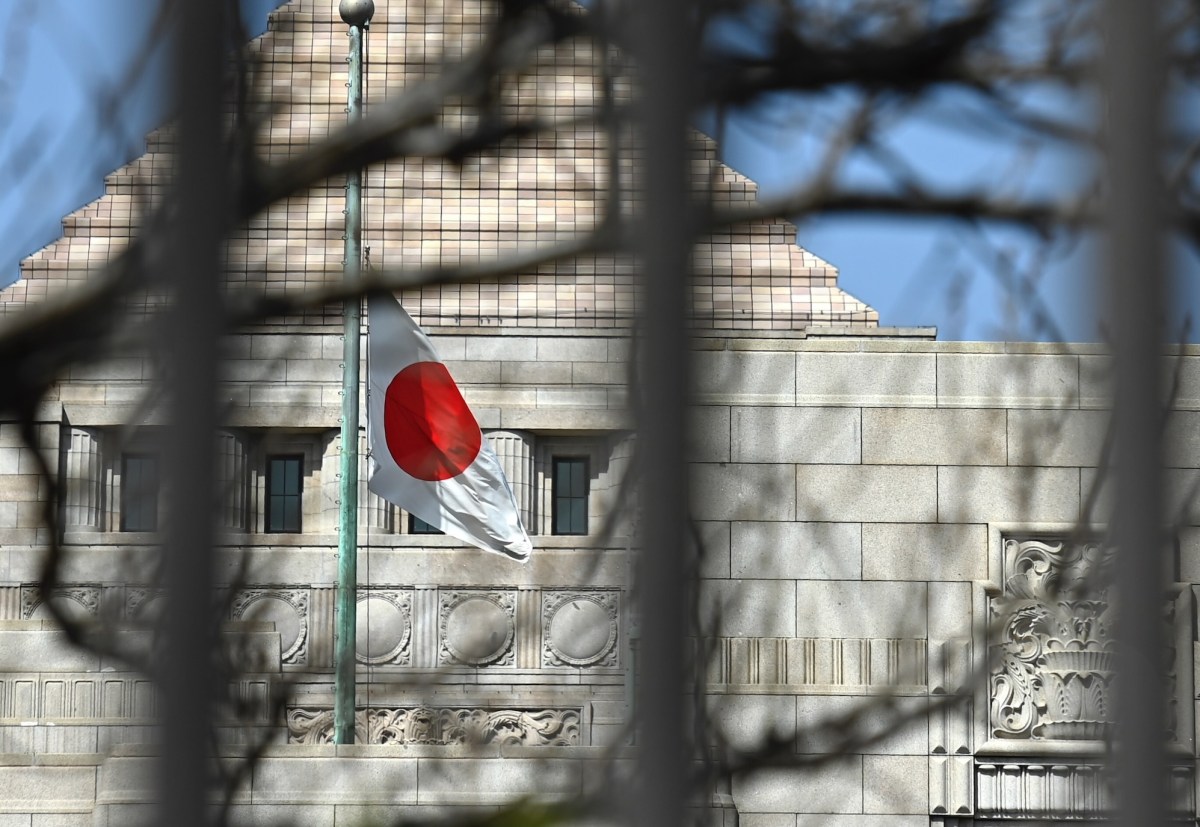
On 11 July 2026, Reuters published the latest edition of its Econ World podcast with a question that has begun to follow Japan's finance ministry like a metronome: the country has spent billions trying to prop up the yen, so why isn't it working?
The answer, as the episode makes clear, is not a single villain. It is a stack of pressures, monetary, fiscal and geopolitical, none of which a currency intervention can fix on its own. Tokyo's defence of the yen is now a textbook case of a country using a 1990s toolkit against a 2020s problem.
The intervention playbook, and what it costs
Japan's toolkit for defending the yen is narrow and well-rehearsed. Sell dollars, buy yen. Tap the foreign-exchange reserves that the country's trade surpluses built up over four decades. Signal that the authorities will not tolerate disorderly moves. The Bank of Japan, working with the Ministry of Finance, has run versions of this drill since at least the 2022 dollar spike, when the yen broke 150 to the dollar for the first time in thirty-two years and Tokyo intervened in September and October of that year.
The point of the exercise is not to set a target exchange rate. It is to slow the move, widen the bid-ask spread for short-term speculators, and buy time for underlying policy adjustments to bite. On that last measure, the results have been thin. The yen has spent most of the past two years hovering in a range that policymakers publicly describe as uncomfortable and privately describe as intolerable, only to slide further when each new intervention fades from memory.
The cost is concrete. Japanese foreign-exchange reserves, dominated by US Treasuries, have shrunk by tens of billions of dollars across the 2022 and 2024 intervention rounds. Each dollar sold reduces Japan's claim on the deepest, most liquid bond market in the world. Tokyo is, in effect, trading balance-sheet weight for currency stability, and the trade has not been winning.
What the podcasts and wire desks miss
The standard Western wire framing treats yen weakness as a BoJ problem. Cut rates too late, hold yields too low, and the carry trade punishes the currency. There is truth in that. The BoJ only ended its negative interest rate policy in March 2024 and has moved with extreme caution since, while the Federal Reserve kept policy restrictive for longer than Tokyo would have liked.
But that framing misses the part of the story that runs through Washington rather than Tokyo. Japan's intervention effectiveness is capped by the fact that the country operates inside a dollar system it cannot unilaterally reshape. Roughly half of global trade is still invoiced in dollars. Roughly half of cross-border bank claims are dollar-denominated. When the Federal Reserve tightens, the dollar tightens with it across every other currency, and the yen, as the world's most-funded carry trade currency, gets hit harder than most.
There is also a fiscal pressure that gets less attention than monetary policy. Japan's debt-to-GDP ratio remains the highest in the developed world. Bond investors tolerate that because so much of the issuance is held domestically, but the arrangement depends on Japanese institutions continuing to absorb Japanese debt. If foreign holders start demanding a premium, the yen absorbs the shock first and the bond market second. Defending the currency and financing the state are competing claims on the same stockpile of trust.
What the intervention is actually signalling
Each intervention round is also a signal, and the signal has been getting weaker. The first 2022 round moved the yen sharply. The 2024 rounds moved it less. The market has learned that Tokyo will defend the yen, but only up to a point, and that the BoJ will not tighten policy enough to make the defence permanent. Speculators price that ceiling in, and the interventions become expensive pauses rather than turning points.
This is the structural bind the Reuters podcast episode walks through: a country whose economic weight would, in a multipolar currency world, support a stronger yen, operating inside a system that routes savings flows through New York and treats the dollar as the default safe haven. Japan's reserves are invested in the very currency it is trying to weaken.
What to watch before the next move
Three dates will tell us whether the pattern breaks. The next BoJ policy meeting, where the question is whether the bank finally allows long-term yields to drift higher in a meaningful way, a move that would, over time, pull carry-trade flows home. The next US CPI print, which sets the path of Fed policy and therefore the dollar's gravitational pull. And the next G7 finance ministers' communiqué, which will signal whether Japan's allies will, as in 2022 and 2024, at least nod in the direction of "excessive volatility" without committing to coordinated intervention.
What the sources do not yet specify is whether Tokyo has a credible off-ramp. The yen is the cleanest read on the gap between the dollar system Japan lives in and the policy independence Japan wants. Until that gap closes, either by a softer dollar or by a more aggressive BoJ, the billions will keep going out the door and the yen will keep trading as if the spending never happened.
Desk note: where wire coverage tends to read yen weakness as a Japanese policy failure, this piece frames it as the predictable friction of operating inside a dollar-anchored system while holding the reserve currency's debt as your war chest.
Wire provenance
This editorial synthesis draws on the following public wire/social posts:
- https://reut.rs/4vNp4Nj
- https://t.me/x/167
- https://en.wikipedia.org/wiki/Japanese_yen