Tehran signals Hormuz administration plan, blames US media for 'crude lies' on nuclear posture
An Iranian intelligence source told Press TV on 11 July 2026 that Tehran will press ahead with a Strait of Hormuz administration plan and dismiss US media reporting on its negotiating posture as 'crude and repetitive lies'.
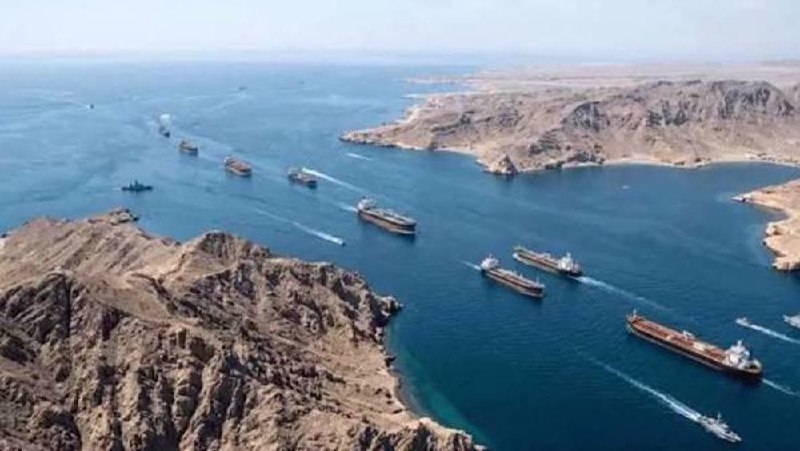
An Iranian intelligence source told state broadcaster Press TV on Friday 11 July 2026 that Tehran intends to press ahead with a plan to administer the Strait of Hormuz, dismissing US reporting on Iran's negotiating position as "crude and repetitive lies" engineered by American officials through "branded media outlets". The comment, carried by Press TV in a pinned post at 14:27 UTC and an earlier bulletin at 13:50 UTC, lands in a week when the waterway's status is once again the subtext of every regional headline.
The framing matters. Iran has spent years arguing, in domestic and diplomatic forums, that its maritime posture in the Gulf and the Sea of Oman is a sovereign administrative matter, not a negotiating chip. By surfacing "Hormuz administration" as a named policy line rather than a tactical threat, Tehran is signalling that the file is moving from rhetoric to operating concept, and it is doing so through an Iranian state channel that is itself the subject of the complaint.
What Press TV actually said
The pinned Press TV item, timestamped 14:27 UTC, paraphrases the intelligence source as accusing "American officials" of using their "branded media outlets" to spread "crude and repetitive lies" about Iran's negotiating stance, and asserts that Iran will "implement" a Hormuz plan irrespective of US threats. A separate item at 14:00 UTC repeats the same line, and an earlier bulletin at 13:50 UTC frames the channel as reporting live from an "Iran intelligence source", using the marker that Press TV reserves for content it attributes directly to Iranian security services.
Press TV is an English-language outlet operated by the Islamic Republic of Iran Broadcasting organisation. It is sanctioned in several jurisdictions and is not a neutral wire; it is a primary outlet of the Iranian state, and its sourcing conventions need to be read with that in mind. The US State Department and successive administrations have argued that Press TV functions as a platform for Iranian government messaging rather than independent journalism. Iranian officials, in turn, treat Western wires, particularly those whose Middle East coverage relies heavily on official briefings, in much the same way. The two complaints are structurally identical even when the political valence differs.
The Hormuz administration plan
Iranian officials have floated the idea of tighter Iranian administration of the Strait of Hormuz, including expanded management of traffic, pilotage, and surveillance, on and off for the better part of two decades. What is new in the 11 July messaging is the explicit framing of the plan as a settled implementation track rather than a contingency. Press TV does not, in the items available, publish the plan text, name the agencies that will run it, or specify a launch date. The source items frame it as a response to "US threats", which in Iranian discourse covers everything from sanctions designations to the periodic US naval deployments through the Fifth Fleet's Bahrain-based headquarters.
The strategic subtext is straightforward: roughly a fifth of global oil passes through Hormuz, and any credible Iranian move to assert administrative authority over the strait raises the cost, financial and political, of any external pressure campaign aimed at Tehran. It also gives Iran a card to play in any future negotiation over its nuclear file, missile programme, or regional proxy networks, by tying the strait to a status Iran can frame as legitimate sovereign practice rather than coercion.
The media fight inside the media fight
The most pointed line in the 11 July Press TV material is not the Hormuz claim itself, but the framing of US media coverage as a coordinated disinformation project. "Crude and repetitive lies" is a phrase that lands hardest with audiences already primed to distrust Western wires. It is also, structurally, the mirror image of how Western outlets have long characterised Iranian state media: as a vehicle for coordinated messaging rather than independent reporting.
The honest read is that both complaints have something to them. Press TV is state media and reports accordingly; major US outlets do reflect official sourcing on Iran at high rates, particularly on nuclear-file reporting, where anonymous US and Israeli officials often do the framing. Coverage that treats either complaint as a one-way accusation mistakes the structure of the argument. The more useful question is which side's framing is currently producing the more accurate picture of what Tehran is and is not willing to negotiate on.
On the available evidence, that question cannot be answered. The 11 July Press TV items are the only direct sourcing available, and they are Iranian state sourcing. Independent confirmation of the Hormuz administration plan's operational status, its timeline, or its institutional ownership will require either matching Western reporting, leaked Iranian documents, or visible Iranian naval or coastguard activity that would themselves be the signal the plan had moved from paper to practice.
What to watch
Three markers will indicate whether the 11 July messaging is the prelude to a real policy move or a rhetorical escalation ahead of a negotiation round. First, any Iranian naval or coastguard directive on pilotage, traffic separation, or inspection regimes inside the strait, as distinct from the existing IRIN patrol pattern. Second, the cadence and content of US Central Command statements from the Fifth Fleet headquarters in Manama, Bahrain, since deployments and rhetorical responses usually precede or follow such directives within days. Third, the editorial line of major non-Iranian regional outlets, particularly Gulf-based wires, which tend to carry early confirmation or rebuttal of Iranian maritime moves.
If the administration plan is real and staged, the more honest reading of the 11 July material is not that Iran has committed to immediate closure, but that it is reserving the right to govern the strait on its own terms, in its own name, and to do so in a way that survives a US administration change. The media fight is the surface; the Hormuz file is the substance.
This piece relies on Iranian state sourcing carried by Press TV on 11 July 2026 and should be read alongside independent Western and Gulf-based reporting before any operational conclusion is drawn. Where that independent reporting does not yet exist, the gap is noted rather than filled.
Wire provenance
This editorial synthesis draws on the following public wire/social posts:
- https://t.me/presstv/
- https://t.me/presstv/
- https://t.me/presstv/