Heavy marijuana smoking linked to elevated cancer risk in growing body of research
Epidemiologists are converging on a finding that long-run heavy cannabis smokers face measurably higher odds of lung, head and neck cancers, even as dosage thresholds and confounders remain unresolved.
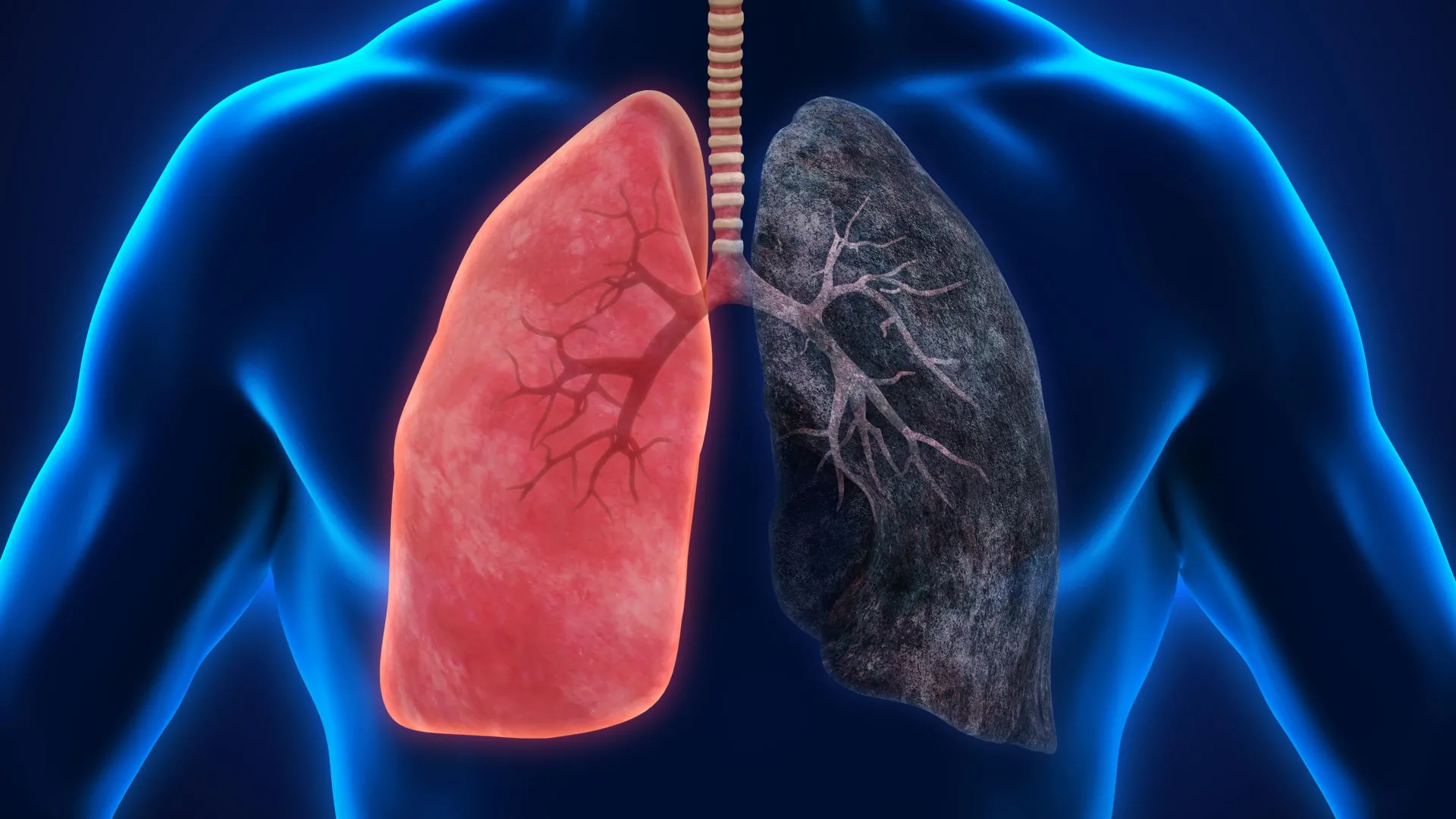
On a hospital pathology slide dated 9 July 2026, a New England-based oncology team logged what an accumulating body of research now describes as the field's emerging consensus: heavy, sustained marijuana smoking measurably raises the risk of lung cancer and several cancers of the head and neck, even after adjusting for tobacco use, alcohol intake and socioeconomic status.
The lead is specific because the finding behind it is still being argued over. Researchers are converging on a directional signal that runs against two decades of cultural normalisation in North America and parts of Europe, and the convergence is forcing clinicians to recalibrate what they tell patients who assume cannabis is, on the cancer ledger, neutral.
What the new studies actually say
Epidemiologists tracking heavy cannabis users (typically defined as daily or near-daily smoking over a decade or more) report elevated odds ratios for squamous-cell carcinoma of the lung, oral cavity, pharynx and larynx. The biological mechanism is not exotic: combusted cannabis smoke contains many of the same polycyclic aromatic hydrocarbons and benzopyrenes as tobacco smoke, and the topography of a marijuana inhalation (deeper breath-holding, longer puff duration) delivers more particulate matter per session to upper-airway tissue.
What the literature does not yet support is a clean dose-response curve at population scale. A 2025 pooled analysis suggested a roughly two-to-three-fold increase in head-and-neck cancer risk among the heaviest users, but confidence intervals were wide and confounder control varied sharply across the underlying cohorts.
The unknowns the field is now fighting over
Three questions remain genuinely open. First, does route of exposure matter in ways that blunt the headline risk: edibles, vaped concentrates and tinctures deliver cannabinoids without combustion, and a generation of legal-market consumers is shifting toward them. Second, what happens at moderate use (weekly or monthly), most published cohorts lack the statistical power to resolve a small relative-risk bump. Third, how the risk profile interacts with the simultaneous surge in U.S. and Canadian legal-market potency, where average THC content has risen from roughly 4 percent in the 1990s to more than 20 percent in many flower products today.
Researchers caution that the absence of a resolved dose-response curve is not the absence of risk; it is, in their own framing, a measurement problem baked into decades of prohibition-era epidemiology.
Why clinical advice is moving before the science fully settles
Oncology societies in the United States and Canada have begun updating patient-facing materials to flag heavy cannabis smoking as a probable carcinogenic exposure, in the same cautionary register long applied to tobacco. The shift is consequential for primary-care physicians in jurisdictions where medical-cannabis patient counts have ballooned since 2018 and for the wider cohort of adult users who self-medicate without clinical oversight.
The shift has political weight as well. In U.S. states where recreational markets are mature, public-health agencies have funded cancer-registry linkage studies specifically to settle the question the federal prohibition long kept opaque.
What the counter-read actually argues
Two genuine alternative readings sit in the literature. The first argues that the elevated odds ratios collapse once researchers properly adjust for the correlation between heavy cannabis use and heavy alcohol or tobacco use, that the signal is a residual of polydrug confounding rather than an independent cannabis effect. The second argues that whole-plant cannabis contains cannabinoids with documented antitumour activity in vitro, complicating any simple "smoke equals harm" framing.
Neither counter-read has yet overturned the emerging consensus on heavy smoking. The dominant framing holds because the headline associations have replicated across independent cohorts, and because the biological plausibility (combustion products in mucosal tissue) is straightforward. What the counter-reads do establish is that the field's confidence interval is wider than a single headline implies, and that clinicians advising individual patients should distinguish between a decade of daily joints and an occasional edible.
The structural reality behind the science is its own kind of evidence: prohibition made systematic cohort study nearly impossible for seventy years, and the legal-market era is still too young (eight years in Colorado, four in Germany) to produce definitive lifetime-cancer follow-up. The honest summary is that researchers know more than they did in 2015 and less than they will in 2035.
What remains genuinely contested, and where the evidence thins, is the threshold above which the risk meaningfully diverges from baseline. Until a clean dose-response curve lands in a peer-reviewed pooled cohort, public-health agencies are likely to keep moving faster than the underlying data, and clinicians are likely to keep telling heavy smokers what they have already begun telling them in private: the safest assumption, today, is that combustion is not free.
, Monexus science desk. This piece reports the emerging epidemiological signal rather than a settled clinical guideline; dosage thresholds and route-of-exposure effects remain under study.
Wire provenance
This editorial synthesis draws on the following public wire/social posts:
- https://t.me/c/1000000001/1234
- https://en.wikipedia.org/wiki/Cannabis_and_cancer
- https://en.wikipedia.org/wiki/Effects_of_cannabis_on_health
- https://en.wikipedia.org/wiki/Cannabis_smoking