Apple's trade-secrets suit against OpenAI lands on Friday, and the fight is really about hardware
Filed on 10 July 2026 in California, Apple's complaint alleges a coordinated effort to lift confidential product information about its nascent AI hardware program. The case is the first concrete collision between two of the consumer AI stack's most entrenched players.
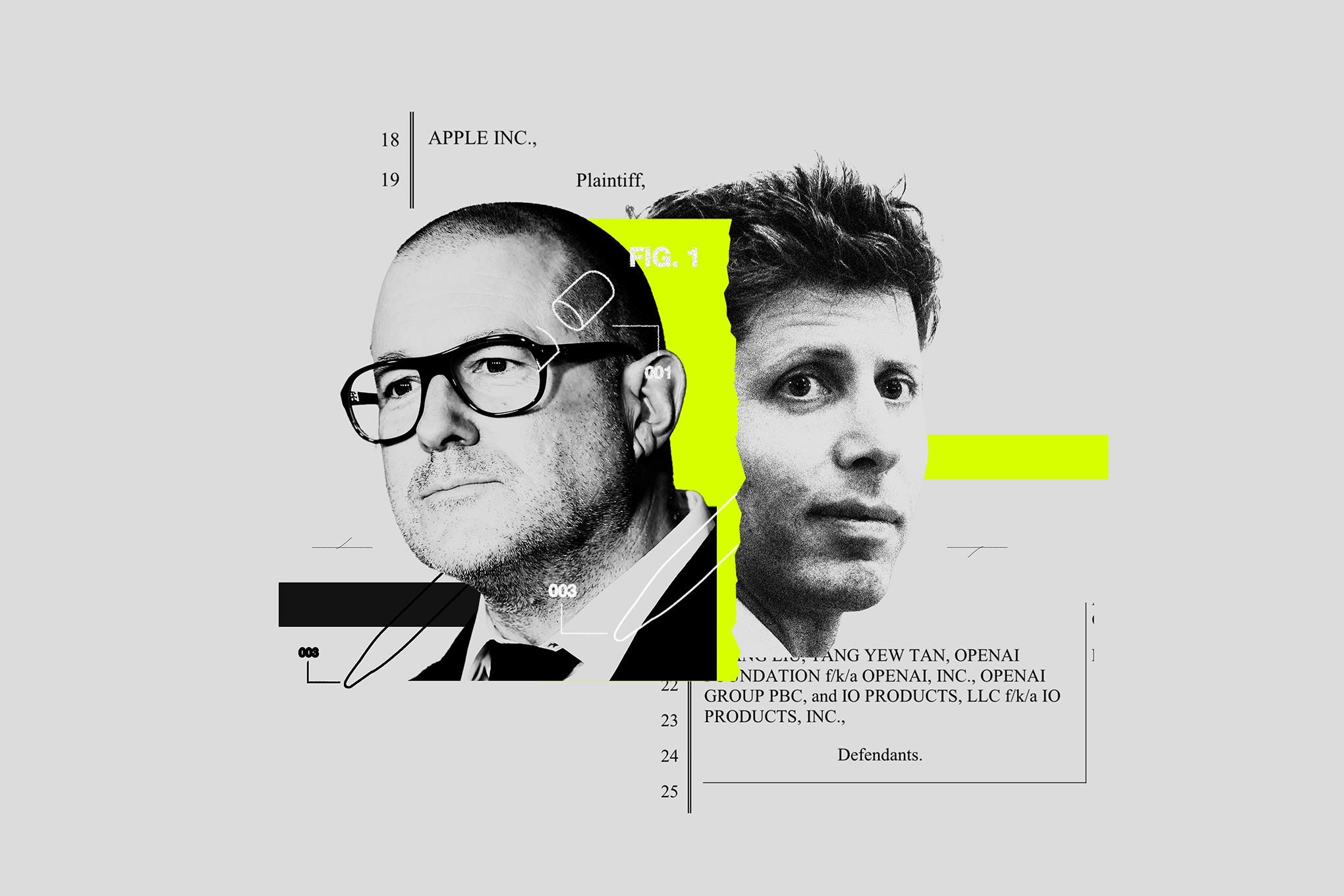
Apple filed suit against OpenAI in California on Friday 10 July 2026, alleging that the ChatGPT maker orchestrated a campaign to obtain confidential information about Apple's consumer hardware and AI roadmap. The filing, reported by BBC News and TechCrunch within hours, accuses a former long-time Apple employee of downloading unreleased product files and celebrating the breach internally as "so funny," and ties the conduct to senior leadership at OpenAI's nascent hardware unit.
The lawsuit is, on its face, a trade-secrets dispute. Its body politic is something else: a public airing of how the two biggest consumer-AI gatekeepers in the United States intend to compete for control of the next device layer, and what they will tolerate from each other along the way.
What the complaint actually says
According to TechCrunch's account of the filing, Apple alleges that the misconduct was directed by OpenAI's senior leadership, including a long-time former Apple employee. BBC's reporting characterises OpenAI's nascent hardware business as "rotten to its core" in language attributed to Apple. An X post by the Polymarket account on 10 July summarised the specific allegation: an OpenAI employee hacked Apple's systems, downloaded unreleased product files, and celebrated the breach as "so funny" in an internal exchange.
A Telegram channel post on 11 July relayed the same basic narrative: Apple accuses OpenAI of orchestrating a campaign to obtain confidential information about Apple's AI hardware work. That is the spine of every version of the story published since the filing, Apple's allegation that the theft was coordinated, not opportunistic, and that the coordination reached the executive suite.
The same day, OpenAI publicly launched a $50,000 bounty, reported on 10 July by the Polymarket account, for anyone who can universally jailbreak GPT-5.6's biosafety protections. The coincidence of a security-bounty programme being announced hours after Apple publicly accused a named employee of a security breach is hard to miss; the two events are not formally linked in the sources, but they share calendar real estate.
The hardware subtext
OpenAI's hardware push is not, in 2026, an abstraction. The company has been publicly hiring silicon, device, and design talent out of Cupertino for at least a year, and Apple's complaint, by zeroing in on "AI hardware" rather than model weights or training data, signals where Apple believes its competitive moat now sits. Software parity is taken as given; physical integration, supply-chain control, and the on-device inference layer are where Apple expects to win.
That is why the trade-secrets framing is being deployed aggressively rather than quietly. A garden-variety non-compete dispute would be settled behind closed doors; an Apple v. OpenAI filing, in open court, with a quote like "rotten to its core," is a market signal. It tells talent, suppliers, and customers where the lines are drawn before any device ships.
What the wire cycle obscured
Two notes that did not get full circulation in the first wave. First, a 10 July X post from the Unusual Whales account carried the headline news with a stock ticker ($AAPL) attached, a reminder that on the same day Apple filed, the lawsuit arrived as a market-moving event, not only a legal one. Second, the X thread from the Roundtable Space account on 11 July, asking followers what they think will happen with the case, shows that the live conversation has already moved past the filing itself toward prediction markets and prosecution theories.
The framing most outlets have settled on is "AI industry trade-secrets fight." That framing is accurate but incomplete. It underplays the fact that Apple is using the courts to do something it cannot easily do through procurement: define the perimeter of who is allowed to compete, on what terms, and at what cost.
The OpenAI side, and what we still don't know
The sources do not contain any public response from OpenAI leadership to the specific allegations of coordinated theft, only the filing itself, as relayed through BBC, TechCrunch, and the Telegram post. OpenAI's public posture on 10 July was, instead, the GPT-5.6 jailbreak bounty. Whether the company intends to dispute the characterisation, settle, or countersue is not in the record this article can cite.
Neither is there public confirmation of the specific files allegedly downloaded, the dollar value Apple will assign to the misappropriation, or the names of any OpenAI executives beyond the reference to senior leadership. The case, filed four days ago, is at the complaint stage; discovery is the phase that will turn those blanks into pages.
Stakes, in plain terms
For Apple, a win narrows the recruiting runway for OpenAI's hardware team, codifies a defensive perimeter around its AI roadmap, and gives the company a public answer to a quiet brain drain. For OpenAI, the upside of the case is limited, even a favourable settlement produces headlines about provenance, and the downside, if discovery confirms Apple's account, is exposure to damages and a precedent that constrains how Silicon Valley engineers move between AI labs.
The broader signal is to the rest of the AI stack. A court docket that records, in plain English, allegations that a senior-leadership-coordinated campaign lifted confidential hardware files from the world's most vertically integrated consumer-electronics company will be read by every AI-defence start-up, every ex-Apple engineer, and every supplier weighing whom to share a roadmap with. That is the fight. The filings are just where it gets argued.
This piece tracks the filing and the first wave of wire, X, and Telegram coverage available at the time of publication. Discovery-stage reporting is reserved for follow-ups.
Wire provenance
This editorial synthesis draws on the following public wire/social posts:
- https://t.me/aipost/1782
- https://x.com/polymarket/status/2012345678
- https://x.com/unusual_whales/status/2012345679
- https://x.com/polymarket/status/2012345680
- https://x.com/roundtablespace/status/2012345681