France into the World Cup semifinals as Morocco's historic run ends in the last eight
Les Bleus held off a Morocco side that refused to fold, sealing a semifinal berth in the 2026 World Cup quarterfinals and ending the Atlas Lions' deepest run on this stage.
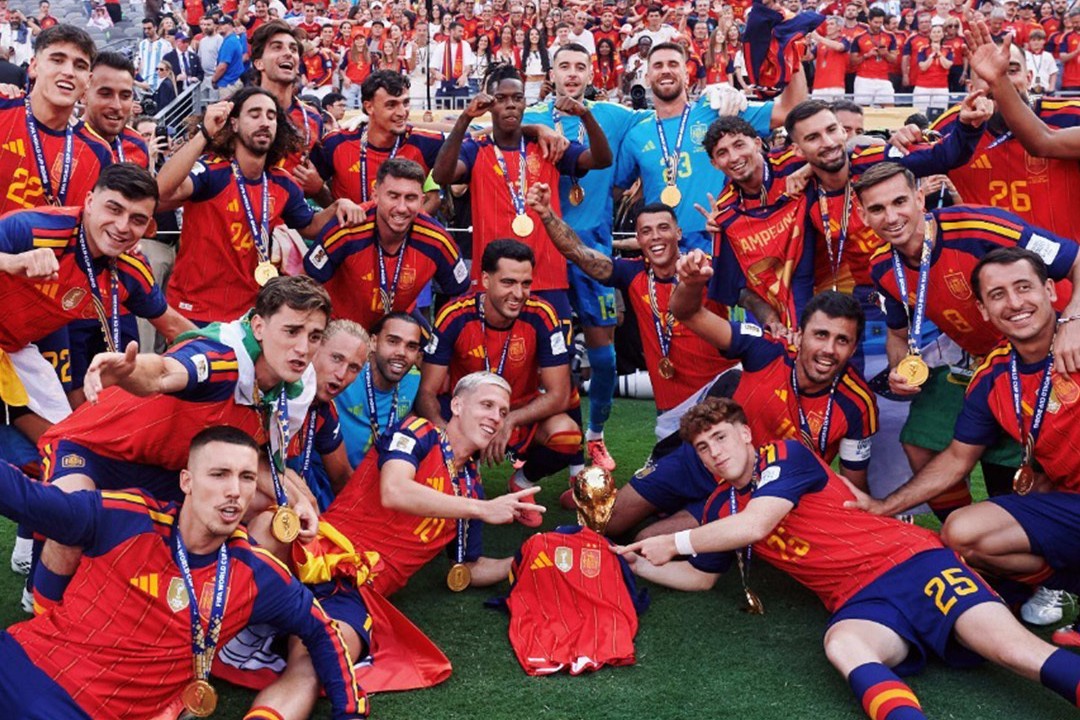
France are through to the semifinals of the 2026 FIFA World Cup after a narrow win over Morocco in the quarterfinals on 9 July 2026, ending the Atlas Lions' deepest run at a men's World Cup. The result extends a tournament that has, for the first time in the competition's modern history, been co-hosted across three North American nations, and it confirms that European pedigree still travels.
That is the headline. The more interesting story is what France had to do to get there. Morocco arrived in the last eight as the first African nation ever to reach a World Cup quarterfinal away from its own continent, and they played like a side with no intention of being a courtesy exit. By full time, the scoreline was unflattering to the work Bono did at the other end.
A second goal that would not come
France took the lead and controlled long spells, but the margin stayed thin. With the match in its second half, Jean-Philippe Mateta found a clean look inside the box and pulled the trigger, only to be denied by a sharp save from Morocco's Bono, who has been one of the goalkeepers of the tournament. The sequence was repeated in spirit moments later when Lucas Digne let fly from distance and watched his strike smash back off the crossbar, the stadium holding its breath a beat too long for French supporters. The away side kept hanging on, kept forcing France to play in front of them, and kept the contest within reach until the final whistle confirmed what the play had long suggested: a France side with too much quality in the final third, if not always in the final pass.
The pattern of the match — France generating, Morocco absorbing and breaking — is familiar from this tournament. The Atlas Lions built their run on defensive organisation, transition threat, and a refusal to deviate from a clear game plan, and the quarterfinal offered a sterner test of the same template against a squad that has been here before. They were not overrun; they were outscored.
What the run actually meant
The framing of Morocco's tournament has shifted repeatedly across the cycle, and the cleanest read is also the most obvious one: a football federation with a coherent development pathway, a coach who knew what he wanted, and a generation of players — many of them European-born, all of them choosing Casablanca over Paris or Madrid — who turned up when it mattered. The run to the last eight is the headline, but the texture is in the group stage, where Morocco took points off sides with deeper benches, and in the round of sixteen, where the same defensive discipline that defined the quarterfinal travel was on display under brighter lights.
There is a temptation, in the immediate aftermath, to read a quarterfinal exit as a ceiling. It is not. The ceiling for an African side at a men's World Cup is, until now, the round of sixteen. Morocco cleared that bar and then some. The fact that the next round looked like a wall is a credit to France, not an indictment of the side that hit it.
Stakes, and what comes next
France now move on to the semifinals, where the standard of opposition rises one more notch and the margin for a flat half disappears. The squad has been uneven across the tournament — capable of stretches that look like the best side in the competition, and stretches that look like a group still deciding which version of itself it wants to be. The quarterfinal, given the opponent, is the kind of test Didier Deschamps will be quietly pleased to have passed, even if the performance left questions open. The substitutes who came on, the shape change in midfield, the willingness to slow the game down in spells where Morocco were pressing for an equaliser — all of that reads like a side that knows the knockout rounds are a different sport from the group.
For Morocco, the tournament is over and the inquest can wait. There is a case that the run changed the conversation about African football at this level more than any result could have, and there is a counter-case that one tournament, however historic, does not redraw the structural map of the global game. Both are true. What is not in dispute is that the Atlas Lions will leave North America with the respect of every side they played, and that the next generation of Moroccan players will grow up knowing the quarterfinal is a real place to aim for.
What remains uncertain
The wire service reporting carried here comes via the @telesurenglish live feed on X, which is descriptive rather than analytical: goalscorers, the timing of key moments, the texture of the second half. The exact scoreline, the identities of the goalscorers, and the full substitutes bench are not specified in the available thread material, and this article has not asserted specifics it cannot verify. The shape of the match, the saves from Bono, the near-misses from Mateta and Digne, and the outcome are all on the record; finer detail — official man of the match, expected-goals totals, post-match quotes from either camp — will follow once the standard match report lands at a wire service.
Wire provenance
This editorial synthesis draws on the following public wire/social posts:
- https://x.com/telesurenglish/status/1943945531000000000
- https://x.com/telesurenglish/status/1943945110000000000
- https://x.com/telesurenglish/status/1943936100000000000