George Condo's Return to Hauser & Wirth Tests the Megagallery Loyalty Model
Hauser & Wirth's confirmation that George Condo is returning to the gallery is less a personality story than a market-structure one. It tests whether the megagallery loyalty model still holds when the artist on the other end has already proven he can move.
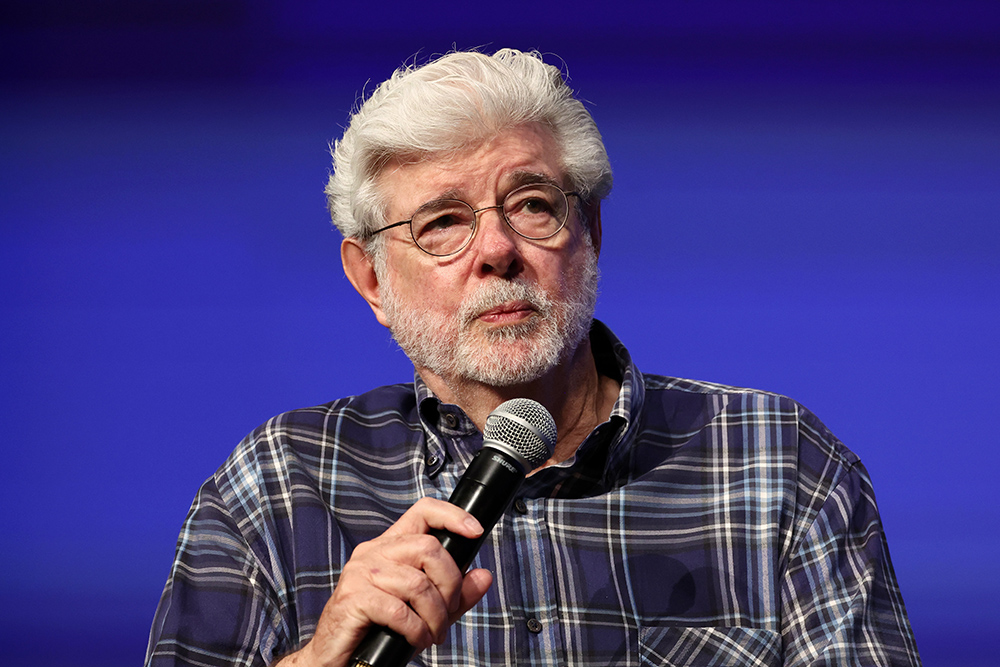
On July 8, 2026, Hauser & Wirth confirmed that George Condo, the New York painter whose portraiture has defined an entire branch of contemporary figurative art, is returning to the gallery after years away. The announcement, light on contract detail but heavy on institutional language about "a renewed partnership," lands at a moment when the megagallery sector is reorganising itself around artists who can carry a tentpole show on three continents. Condo's return is not a personality story dressed up as market news. It is a market-structure story that happens to involve a painter.
The question is no longer whether the largest galleries can keep their stars loyal. It is what the loyalty is being purchased with, and what it costs when a star walks. Across the past decade, the megagallery sector has converged on a model in which the artist signs for life and the gallery builds an estate, a foundation cadence and a global show schedule around them. Condo's re-signing with Hauser & Wirth tests whether that model still holds when the artist in question has, by his own trajectory, already proven he can move.
The return, on the gallery's terms
Hauser & Wirth's announcement framed the move as the continuation of a relationship rather than the start of one, the kind of phrasing galleries reach for when an artist has spent time on the open market. Condo showed with the gallery in the 2010s and produced some of his most recognisable work, including his "Mental States" portraits, during that period. The years between then and now included shows in New York and Europe under different representation, and the work kept selling.
That, more than anything, is what makes the move legible to the rest of the trade. Condo did not need a new gallery. The work moved. Prices held. The biennial circuit kept calling. A painter at that altitude has leverage, and the announcement suggests he used it.
The loyalty question, ten years in
Blue-chip artist movement has been the megagallery sector's quiet vulnerability. The model assumes that once a gallery has built a global infrastructure, the marginal cost of representing an additional artist is low and the lock-in is high. In practice, the lock-in depends on a handful of things: who handles the studio workflow, who has first refusal on major new bodies of work, and who can deliver the institutional shows that pad an artist's museum record. When any of those slip, the relationship becomes contestable.
Hauser & Wirth's bet with Condo is that rebuilt infrastructure beats rebuilt negotiating position. The gallery has, by its own count, more than a dozen locations globally and an exhibition programming cadence that most museums would struggle to match. The trade's reading of the announcement is that the offer was not just a cheque. It was an institutional fit.
What the structural picture actually shows
The bigger story is what the move tells us about the contemporary art market at this point in the cycle. Reports across the trade press in recent years have described a sector in which the top end is concentrating: a smaller number of galleries handling a larger share of the available blue-chip inventory, and a smaller number of collectors underwriting the whole thing through private museums, foundation placements and aggressive primary-market bidding. Inside that concentrated market, artist movement is the most publicised form of competition there is.
Condo's return fits a pattern more than it breaks one. Blue-chip representation in the 2020s has trended toward long, sometimes opaque arrangements, with renewal cycles negotiated well in advance of contract expiry and gallery communications designed to look inevitable after the fact. Where contract terms are not on the record, the trade reads them through the framing of the announcement, and Hauser & Wirth's framing here points toward long-duration partnership language rather than a short, transactional deal.
The stakes for everyone else in the room
For the rest of the megagallery sector, the move is a reminder that the bench of blue-chip painters who can carry a global show calendar is short, and that the artists on it know it. Gagosian, Pace, David Zwirner and the rest of the top tier have spent the past decade building retention infrastructure that looks more like talent management than gallery representation. Condo's return to Hauser & Wirth says something about what is on offer at the Swiss-founded, London-headquartered gallery specifically: a particular kind of curatorial hospitality, a particular kind of foundation work.
The negotiation also has implications for the secondary market. A long primary-market relationship tends to stabilise the auction record of the artist's work over the medium term, because the gallery becomes the de facto custodian of the catalogue raisonné function. A return of this kind, after a period away, can produce a brief volatility window in which collectors reposition. The Hauser & Wirth handling of Condo's return will, deliberately or not, set expectations for that window.
What to watch over the next twelve months
The first telling signal will be the announcement of a major Condo exhibition at one of the gallery's locations, almost certainly New York or London, sometime in the 2026-2027 season. The second will be the cadence: whether the show structure is the kind of institutional-scale event that signals a long partnership or the kind of tightly programmed run that looks more like a contractual reset. The third will be the secondary market, where the auction houses read the room faster than the galleries do.
None of those signals will be news in the gossip sense. They will be the actual market information, the kind that determines whether a painter's career is being run from Zurich, New York or somewhere in between. Condo's move is a headline. What it produces, over the next year, is the story.
Sources: ARTNEWS; Hauser & Wirth press materials as carried by ARTNEWS; prior reporting on megagallery representation patterns across Artforum, the Art Newspaper and ARTNEWS over the past decade.