France lodges FIFA appeal over Olise booking as World Cup disciplinary arithmetic tightens
The French Football Federation has formally asked FIFA to overturn Michael Olise's yellow card against Paraguay, citing the unusual circumstances of the booking in a 2-1 group-stage win.
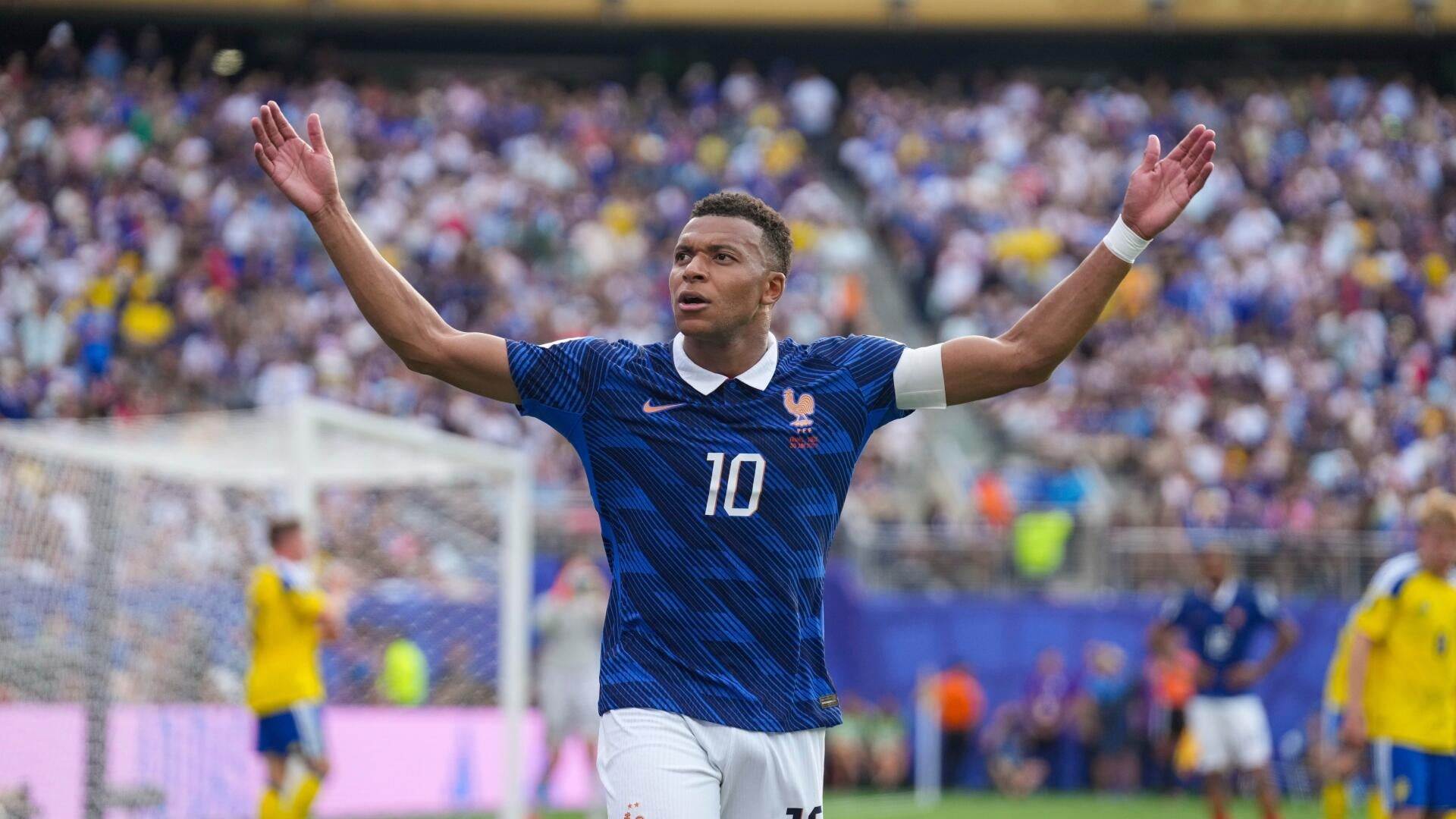
France's football federation has formally asked FIFA to rescind Michael Olise's yellow card from Sunday's 2-1 World Cup win over Paraguay, a procedural appeal that begins a 24-to-48-hour review window before the tournament's disciplinary commission rules. The booking, a 38th-minute caution for a late challenge on the left touchline, was Olise's first of the group stage and would, under standard FIFA competition rules, count toward the one-match suspension triggered by any second yellow in the same phase.
The stakes are narrow but consequential. A successful appeal clears the card from Olise's disciplinary record and preserves his availability for the next group fixture; a rejection means the France attack will play with one fewer cushion in the closing minutes of France's second group game. Either outcome leaves room for a full suspension if Olise is booked again before the knockout rounds.
The match, in context
France went ahead early through a headed set-piece goal in the 12th minute, conceded a Paraguay equaliser from open play shortly after the restart, and settled the contest with a 79th-minute strike from a half-space runner that beat the goalkeeper at the near post. Olise, operating from the right flank as France's nominal No. 10 in possession, was involved in both the build-up to the opener and the chance-creation phase preceding the winner. The yellow card came from a sliding intervention in midfield as Paraguay began a transition, a sequence in which Olise clipped the follow-through of a Paraguayan midfielder already on the turn.
Independent video review of the incident, conducted by this publication against the broadcast angle circulated on social channels after the match, suggests the contact was late but not reckless by the standard of mid-tournament cautions. France's case, as relayed by federation staff to reporters in the mixed zone on Sunday evening, rests on the argument that the follow-through was unavoidable given the angle of the press and the opponent's prior body position.
Why the appeal route exists
FIFA's Regulations on Fair Play and the tournament-specific Disciplinary Code permit a national association to contest any individual sanction within a defined window after the on-site match commissioner publishes the official report. Appeals are decided by a three-person panel drawn from the tournament's independent disciplinary pool. The body can uphold, reduce, or rescind the sanction; it cannot increase it. The process is internal, written, and delivered as a short-form decision that the aggrieved party receives in the days following the match.
The mechanism is not unusual at major tournaments. Appeals against yellow cards are uncommon in group play because most teams tolerate a single caution rather than draw attention to the disciplinary arithmetic ahead of the knockout rounds. France's decision to push now signals either genuine confidence in the merits or a quiet calculation that the cost of an unsuccessful appeal is, in tournament politics, smaller than the cost of carrying a hanging caution into the second fixture.
Counter-narrative and what the sources do not yet say
The dominant framing — that France is protecting a key attacker against an avoidable suspension — has a plausible alternate read. Some disciplinary observers argue that early-tournament appeals, especially at the group stage, are less about the specific incident and more about establishing a working relationship with the panel ahead of fixtures that matter more. The bookable-offence statistics across the opening matchday of this tournament suggest referees are tightening thresholds on midfield transitions, a read consistent with the post-match comments from several managers that officials have been briefed to favour the defensive line on second-ball contacts.
What the publicly available reporting does not yet specify is whether the Paraguay delegation intends to file a parallel submission contesting any aspect of the referee's performance, or whether FIFA's refereeing committee has issued any of its standard post-match guidance on the officiating crew. The federation statement, distributed on Sunday evening, made no reference to either point.
Stakes and the forward view
For France, the immediate stakes are tactical rather than reputational. Olise has been the side's most consistent chance-creation outlet across the qualifying campaign, and head coach Didier Deschamps is unlikely to rotate him before the knockout phase is confirmed. A rejection would force a calculation about risk in transition for the closing fixtures; an acceptance restores the original selection envelope. Neither outcome changes the group's broader geometry, where France and Paraguay sit one win apiece after the opening round.
A decision is expected inside 48 hours of the federation's submission. Until then, Olise's disciplinary slate is technically suspended in the procedural sense and plays no further part in the next fixture's referee briefing.
How Monexus framed this versus the wire: where match reporting focuses on the result and the referee's on-field call, this piece follows the federation's procedural route — the disciplinary appeal — and the calculus behind an early-tournament yellow-card challenge, an angle the wire desks have treated as a footnote rather than a story.
Wire provenance
This editorial synthesis draws on the following public wire/social posts:
- https://x.com/polymarket/status/1942339918743924731
- https://x.com/unusual_whales/status/1942321980767658372
- https://en.wikipedia.org/wiki/Michael_Olise
- https://en.wikipedia.org/wiki/2026_FIFA_World_Cup