Mexico City on alert: England arrive to boos before a World Cup tie shadowed by weather and crowd deaths
England touched down in Mexico City to a hostile reception hours after local authorities doubled security at the Angel of Independence, where two fans died during celebrations on Friday.
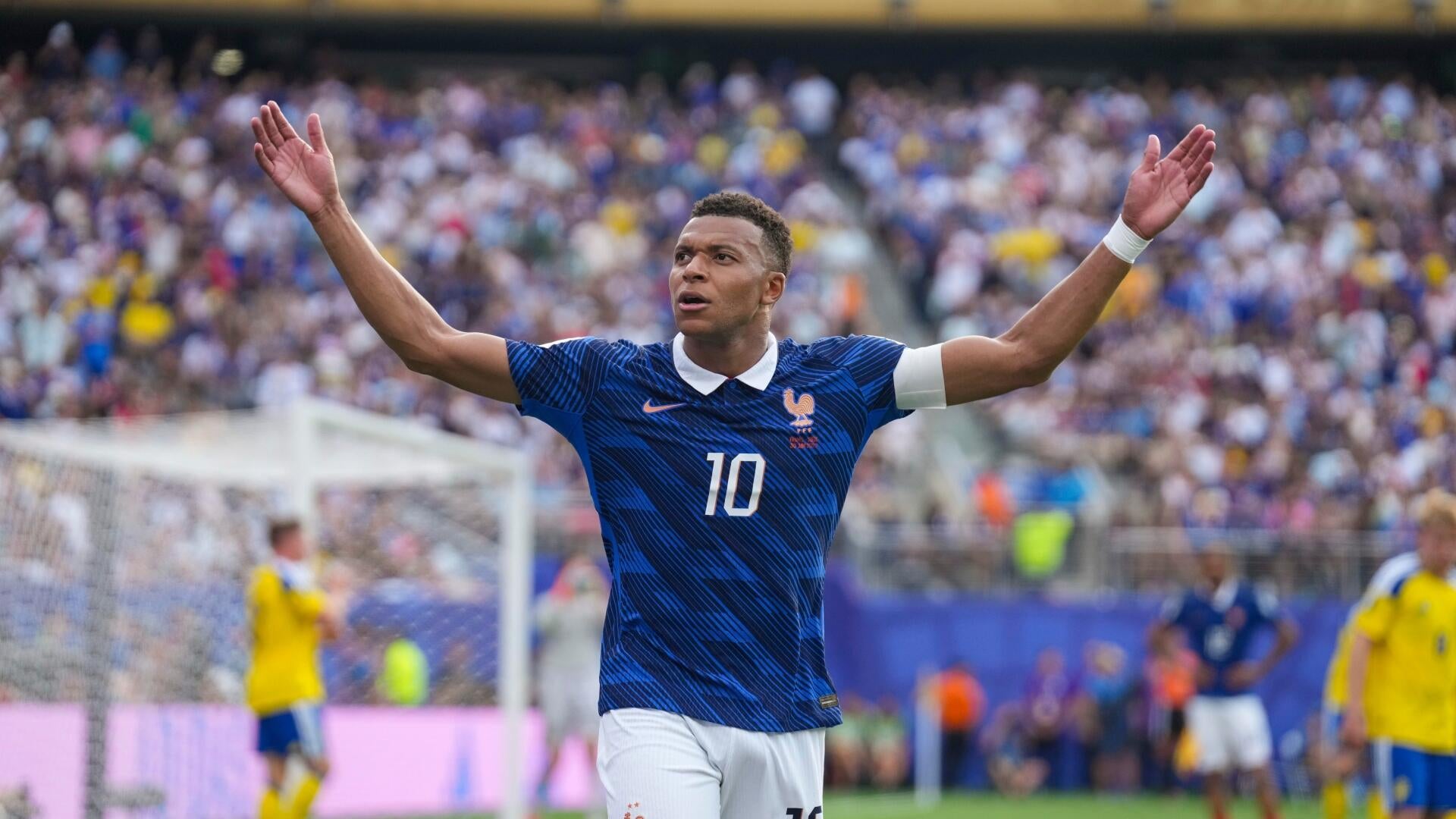
England's squad landed in Mexico City on Friday evening to jeers from a crowd gathered outside the team hotel, the audible backdrop to a last-16 tie now freighted with security, weather and political risk on both sides of the Atlantic. The reception, captured by BBC Sport, was the first signal that Sunday's meeting — kick-off scheduled for 18:00 local time, 00:00 UTC on Monday — would be played as much off the pitch as on it.
Mexico has spent the 48 hours since two supporters died at Friday's fan festival reshaping the terms of public viewing. Authorities have doubled security at the Angel of Independence and capped the crowd at the Zócalo fan zone, a sober acknowledgement that the scale of the gathering — and the temperatures and alcohol that accompanied it — had become its own operational problem.
A fixture with weather and security baggage
Behind the choreography sits a practical concern: rain. The Athletic's David Ornstein reported on Friday that FIFA held talks about moving the kick-off earlier because of flooding and storm risk in the Mexico City basin, before deciding to keep the original 18:00 slot. Mexico City's elevation and drainage make summer downpours a recurring fixture risk; an earlier start would have given organisers more daylight to clear the city if conditions deteriorated. That option is now closed.
On the same evening, BBC Sport reported England players were booed on arrival at their team hotel — a small but loaded moment in a tournament whose group stage had already seen confrontations between travelling fans and local police. England's travelling support has been thin and tightly managed; Mexico's fan zones have been anything but.
Security recalibrated, not improvised
The two deaths at the Angel of Independence on Friday were the trigger for the Mexican government's response. Authorities have not released the full circumstances; what is known is that the monument — a focal point for national-team celebrations since the 1970s — was overwhelmed at peak density, with local media reporting heat, crush risk and alcohol as contributing factors. The doubling of security personnel and the cap on Zócalo attendance for Sunday amount to a managed retreat from a model that, until last weekend, was being held up as a template for tournament fan engagement.
The decision creates a quieter footprint than Mexico's World Cup organising committee had planned. That has diplomatic texture too: England are one of the tournament's marquee sides, and the optics of a heavily policed host city on the day of a knockout game will be read as a story about Mexican capacity, whatever the underlying cause.
The tactical reading
On the field, the tie pits two sides that arrived at the last 16 by different routes. England negotiated a group stage that, by their own historical standards, asked more questions than it answered; Mexico, after a campaign played largely in front of demanding home crowds, will treat the knockout stage as vindication of a generation of players who have waited for this stage of a World Cup at home.
Chris Sutton, in his BBC Sport predictions column, treats the tie as live but tipped England's way. That framing is conventional: deeper squad, more tournament experience, a manager who has been to a final. The counter-read is structural. Mexico's path through the group relied on intensity, set-piece threat and the kind of crowd-driven emotional lift that the new Zócalo cap may, by design, attenuate.
Stakes and what remains unresolved
The match is the most consequential meeting between the two countries at a men's World Cup in a generation. For England, anything short of the quarter-finals will reignite the now-familiar argument about whether the squad underperforms its talent. For Mexico, the fixture is the first time a host has faced a European heavyweight at this stage of their own tournament — a test of whether the home advantage can convert noise into goals.
Two questions remain genuinely open. First, weather: Mexico City's forecast for Sunday evening carries a meaningful chance of thunderstorm activity; FIFA's decision to keep the original kick-off means organisers have less margin to react. Second, crowd: it is not yet clear whether the cap at the Angel of Independence will hold for the full evening, or whether supporters displaced from the monument will simply move to other viewing points around the city.
What is clear is that the contest has stopped being treated as a sporting event alone. The boos at the team hotel, the doubled security, the weather briefings — each is a reminder that for all the tournament's commercial scale, a knockout tie in a capital city of nine million is still, in the end, a question of what those nine million choose to do next.
This article draws on reporting from BBC Sport, ESPN and The Athletic's David Ornstein; the security changes reported here are based on ESPN's account of Mexican government statements on Friday.
Wire provenance
This editorial synthesis draws on the following public wire/social posts:
- https://t.me/David_Ornstein/1234
- https://t.me/David_Ornstein/1235