Mamdani pushes a $323.8m culture budget into a heat-battered July 4th weekend
As New York enters a dangerous holiday heatwave, Mayor Mamdani unveils a record $323.8m cultural affairs budget — a 6% bump that lands in a city simultaneously bracing for cooling-van deployments and a fight over what public culture is for.
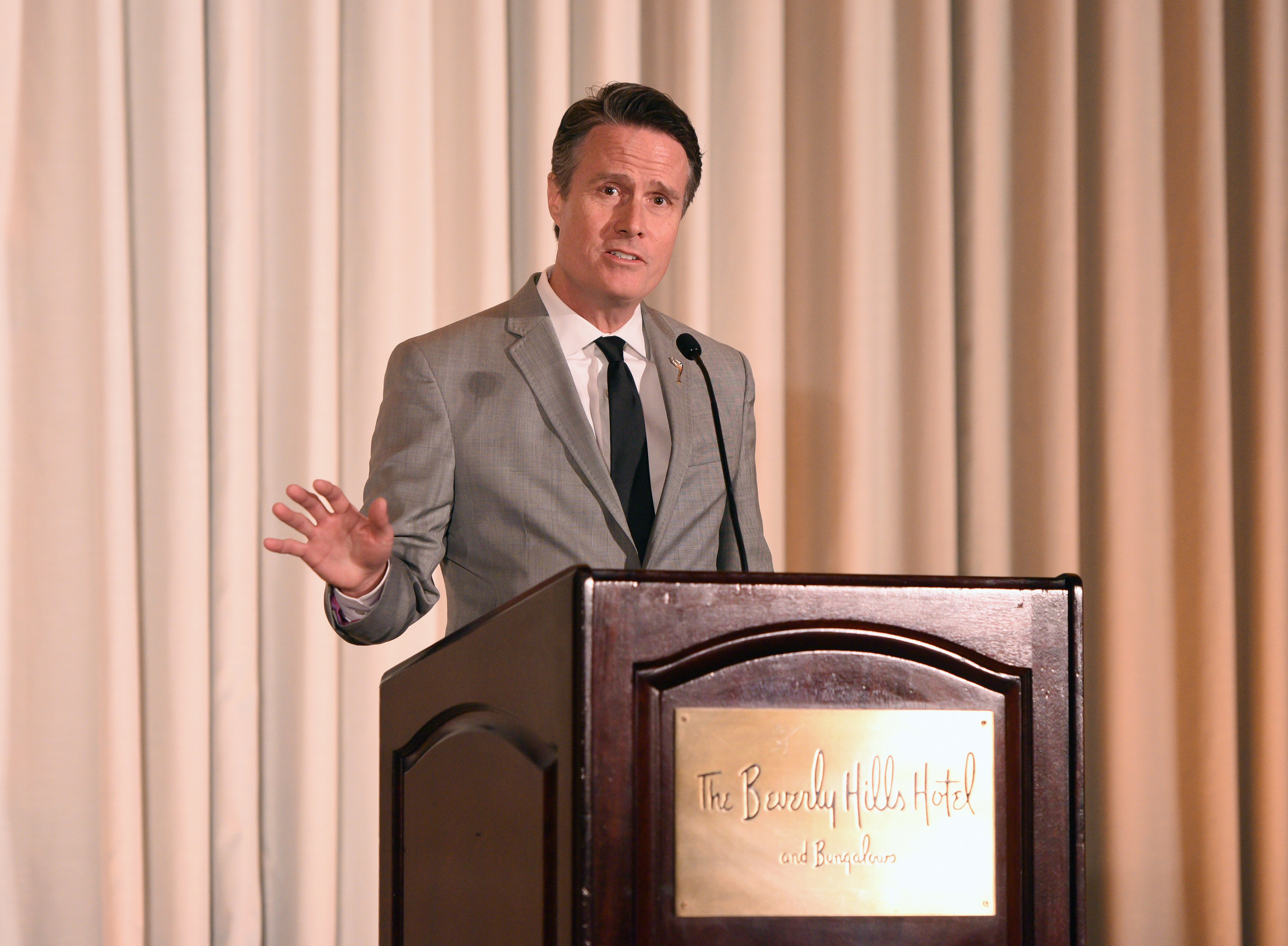
New York City Mayor Zohran Mamdani marked the July 4th holiday with two announcements that rarely share a front page: a record $323.8 million allocation for the city's Department of Cultural Affairs, and a same-day tour of a cooling van as the National Weather Service warned of dangerous heat and humidity stretching into Saturday. On 2 July 2026, ARTNEWS reported the cultural funding figure, a more than 6 percent bump over the prior year's record allocation. Early on 4 July, a Reuters pool clip distributed via X showed the mayor touring a city cooling van as the city opened its network of cooling centres for the long weekend.
The juxtaposition is the story. A municipal government that has decided culture is a budgetary priority on a par with public health is now asking the same taxpayers to keep their bodies functional through a multi-day humidity emergency. The $323.8m figure is not a gesture. It is the largest single-line commitment to cultural infrastructure in New York's modern history, and it lands in the first full budget cycle of an administration that came in on a promise to treat the city's cultural ecosystem as essential infrastructure rather than discretionary decoration.
What the dollar figure actually does
Cultural Affairs allocations in New York are not grants to marquee institutions to be spent in the donors' box. The Department of Cultural Affairs channels a significant portion of its budget through the Cultural Institutions Group — a network that includes the city's major museums, botanical gardens, and performing arts centres — and through the city's network of programmatically independent cultural organisations, many of them in outer-borough neighbourhoods whose fundraising capacity does not match Manhattan's. A 6 percent increase compounds with the previous year's record, which itself was record-setting; the effective real-dollar increase since Mamdani took office is therefore larger than the percentage on the page. Per ARTNEWS's reporting, the new figure keeps New York's per-capita cultural spending among the highest of any city government in the United States.
The structural bet is that cultural funding functions as social infrastructure. In plain editorial language: a museum that pays a curator, an outside-arts organiser who books a community centre, a performance space that runs a youth programme — each one is a point on a map of physical presence and stable employment, and each one survives or dies based on a line in a budget book. A 6 percent increase, maintained across a mayoral term, changes what kind of institutions can plan beyond the next twelve months.
The cooling van problem, in parallel
New York in early July is routinely a heat-mortality city. Heat is the deadliest weather phenomenon in the United States by a wide margin over a multi-decade horizon, and a city whose housing stock includes a large share of pre-war walk-ups is not insulated from it. The cooling van tour on 4 July 2026, captured in Reuters pool footage, was not a photo opportunity divorced from the policy. The mayor's office used the holiday weekend to direct residents to the city's cooling centres and to demonstrate that the administration treats heat as an immediate operational risk alongside its long-horizon investments.
The two announcements together — culture up, climate response active — describe a theory of municipal government. It is a theory that disagrees with the default municipal posture of the past two decades, which treated cultural funding as the easiest line to trim during downturns and treated extreme-heat response as a parks-and-recreation function rather than an emergency-management one. Mamdani's first budget cycle tests whether a New York administration can hold both lines at once.
The counter-narrative, plainly stated
The case against the framing has two planks, and both deserve airtime. The first is fiscal. New York City budgets are constrained by state law, by labor obligations, and by debt service on capital projects that span multiple administrations. A 6 percent cultural bump in a single fiscal year is small relative to the agencies whose budgets have grown faster, but it is not free, and the offsetting cuts — or the absence of offsetting cuts — are not visible in the ARTNEWS report. Whether the increase is funded by new revenue, by a reallocation away from other discretionary functions, or simply by an upward revision in the overall city-fund revenue estimate is a question the wire reporting does not answer.
The second plank is ideological. A $323.8m municipal culture budget requires somebody to decide what that money supports and what it does not. The Cultural Institutions Group is large and politically diverse, but every dollar of discretionary funding outside the formula-funded institutions is a decision. A skeptic's reading: when the city becomes the dominant funder of cultural infrastructure, the city becomes the dominant funder's view of what culture is for. The defence: the city's cultural funding has, historically, sustained a broader and more geographically distributed ecosystem than private philanthropy, which concentrates in Manhattan and on already-affluent institutions. Both readings are supportable on the public record.
Stakes, in two horizons
Over the next twelve months, the test is administrative. Can a 6 percent bump be absorbed without bloating the bureaucracy that distributes it, and without crowding out the smaller organisations that need the next dollar most? Over the next decade, the test is structural. If New York's municipal cultural commitment holds, the city preserves a layer of institutional density that peer American cities — Chicago, Philadelphia, Detroit — have seen thinned over the same period. If it does not hold, the institutions that survive will be the ones whose private fundraising was already strongest, and the city will return to a pattern of cultural concentration that public funding was supposed to interrupt.
What remains genuinely uncertain is whether the political coalition that delivered the figure can hold it through a downturn. Cultural Affairs, in New York, has been cut before — sometimes sharply, sometimes in a single fiscal year — and the precedent is fresh enough to make the next budget cycle the one that matters. The 4 July 2026 announcements are a beginning; the test is whether the next January's preliminary budget preserves the line.
— This article treats the cultural allocation and the heat-response operation as parallel instruments of the same municipal theory, rather than as separate policy stories. The wire reporting carries both; the analytical move is to read them together.
Wire provenance
This editorial synthesis draws on the following public wire/social posts:
- https://x.com/reuters/status/2073174564092395520