Egypt break their World Cup ceiling in Dallas shoot-out, await last-16 opponent
Egypt have reached the World Cup knockout stage for the first time, edging a penalty shoot-out in Dallas after a regulation display that raised as many questions as it answered. The Pharaohs now await a last-16 opponent drawn from the most volatile bracket the tournament has produced.
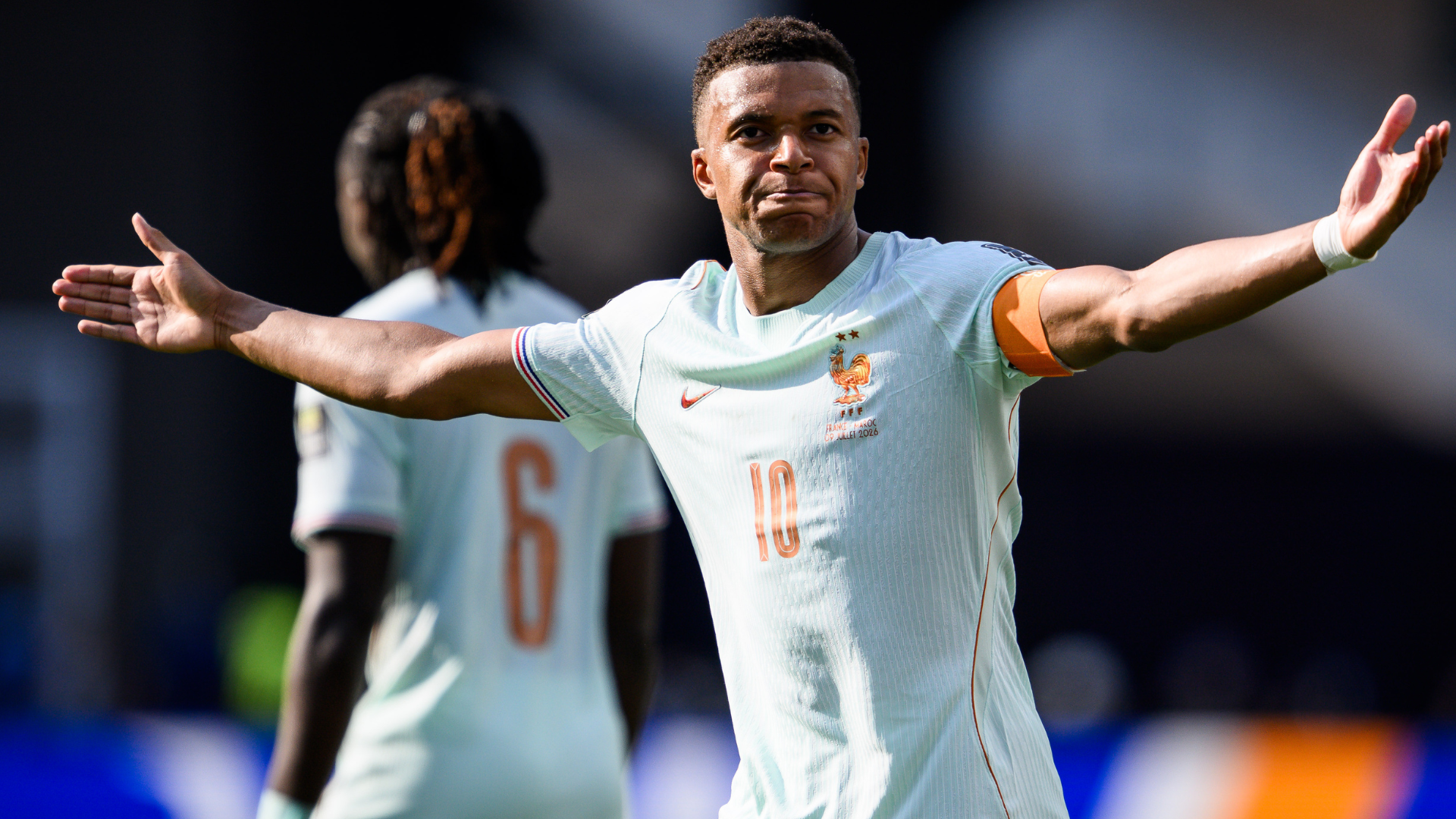
At full time in Dallas on Saturday, the scoreboard read Egypt 1, opponent 1. By the time the dust settled in the Texas evening heat, the Pharaohs had held their nerve through a penalty shoot-out to reach the World Cup's last 16 for the first time in their history, and a nation that had waited since 1934 to see its team clear the group stage finally had its answer.
The performance over 120 minutes was not the stuff of legend. Egypt were second best for long stretches, kept alive by goalkeeper Mohamed El Shenawy and a back line that bent without breaking. What the shoot-out disguised, and what Egyptian supporters will quietly admit in the days ahead, is that the regulation display left real questions. A breakthrough of this magnitude deserved a cleaner ninety minutes.
The night El Shenawy earned his keep
The defining image of the match was not a goal but a save. Egypt's resistance through extra time rested on a string of interventions from El Shenawy, who has emerged as one of the quiet stories of the tournament. In a shoot-out under the closed roof of the AT&T Stadium, where the acoustics flatten the visiting team's roar, the Pharaohs converted four of their five penalties while their opponents missed the target with the kind of regularity that turns shoot-outs from theatre into arithmetic. The celebrations that followed were the loudest Egypt has produced on a football pitch in a generation, the kind that gets replayed on state television until the tape wears thin.
A continental ceiling, finally cracked
For African football, the broader shape of this tournament had already delivered shocks before Egypt's game even kicked off. Norway, playing with the kind of grin that Haaland reserves for Snapchat, dispatched Brazil 2-1 in the last 16, sending the five-time champions home and exposing the squad Carlo Ancelotti has spent the past year trying to stitch together. England squeezed past co-host Mexico 3-2 in a match Thomas Tuchel later described as "heroic" while criticising the standard of officiating as "not good enough". Spain eliminated Cristiano Ronaldo's Portugal 1-0 through a stoppage-time strike from Mikel Merino, the substitute who keeps arriving at the right moment. Each of those results redrew the bracket in ways the pre-tournament form charts had not anticipated.
Egypt's progression belongs inside that reordering. For decades the continent's heavyweights have carried the weight of expectation and exited at the group stage, sometimes in circumstances that read more like farce than football. To reach the last 16 of an expanded 48-team World Cup, in a tournament co-hosted by the United States, Canada and Mexico, is its own kind of milestone. The format has flattened the field. It has also given a generation of African players, many of whom cut their teeth in European leagues, a stage large enough to absorb the usual ambush narratives.
The questions the shoot-out disguised
None of which should obscure what 120 minutes of open play actually showed. Egypt struggled to retain possession in midfield, gave the ball away in dangerous areas with a regularity that would have been punished by a sharper opponent, and relied on set pieces and counter-attacks for any sense of forward momentum. The manager, whose tactical adjustments at half-time were conservative in the extreme, will know that the next round offers no margin for that kind of charity. Tournament football punishes sides that wait to be hit before responding.
There is also the matter of what the result does to the rest of the bracket. With Spain and Norway already through on the upper side, and the United States facing Belgium for the right to meet the Spaniards in the quarters, the path from here runs through opposition that will treat Egypt as a known quantity rather than an exotic name. The element of surprise, which carried the Pharaohs through the group, expires the moment the knockout bracket acknowledges them.
What comes next
The last-16 opponent will be confirmed once the remaining fixtures settle. Argentina, led by a 38-year-old Lionel Messi who has spent the tournament scoring at the rate he always has, looms as the kind of opponent that strips a fairytale down to its structural weaknesses. Egypt's preparations in the days ahead will tell us more about the ceiling of this squad than the shoot-out ever could. El Shenawy can produce one more miracle. The midfield cannot keep misplacing passes and expect to keep playing.
For now, a nation savours the sound of a barrier broken. The football will get harder. The moment will not get smaller.
Sources
- Sky Sports, England beat Mexico, July 6 2026, Tuchel fumes at refs after 3-2 win over co-hosts in last 16.
- ESPN, England end Mexico's World Cup, July 6 2026, Three Lions grind out emotional last-16 victory at the Azteca.
- BBC Sport, England beat Mexico reaction, July 6 2026, Tuchel claims World Cup refereeing 'not good enough'.
- Guardian Football, Haaland dumps Brazil out, July 5 2026, Norway into quarter-finals for first time after 2-1 win.
- Sky Sports, Brazil stunned, July 5 2026, Haaland's masterclass sends Norway through to face England.
- BBC Sport, Spain 1-0 Portugal, July 6 2026, Merino delivers stoppage-time winner in last 16.
- Guardian Football, USA v Belgium buildup, July 6 2026, Live coverage and bracket context.
- CBS Sports, Argentina vs Egypt odds, July 6 2026, Round-of-16 picks and lines for Tuesday's tie.
Desk note: Monexus framed this as a structural breakthrough for African football rather than a one-off upset, while acknowledging that the regular-time performance left questions the shoot-out disguised.