Antonelli takes Silverstone pole as Hamilton returns to the front row of a Ferrari
Antonelli takes Silverstone pole as Hamilton returns to the front row of a Ferrari, a qualifying result that redraws the constructors' picture and asks a 41-year-old whether his move has finally clicked.
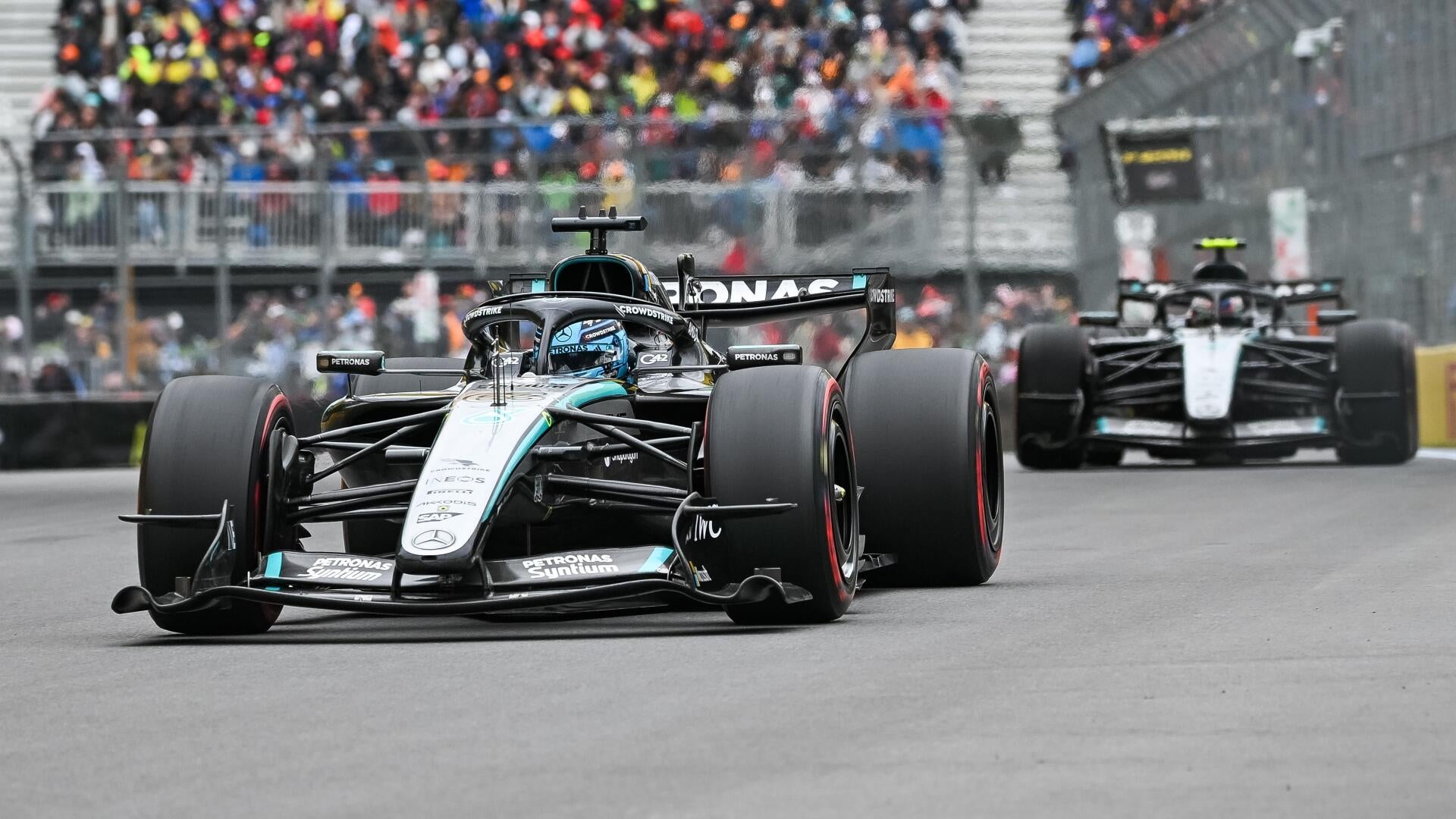
Antonelli will start the British Grand Prix from pole position after a qualifying session that put a Mercedes on the front row of the grid at Silverstone, with Lewis Hamilton returning to the front row of the grid in a Ferrari alongside him. The grid, published after Saturday's running, sets up Sunday's race with the Italian on pole and the seven-time champion directly behind him, an image that would have read as fantasy a year ago.
The result, posted by the official Formula 1 channel on the eve of the race, confirms the headline change at the front of the field: a 19-year-old on his first Silverstone pole, and a 41-year-old back on the front row for the first time since his winter switch from Brackley to Maranello. The combination tells two stories at once, one about a new generation arriving and one about an old hand refusing to disappear.
The grid, and what it actually means
Silverstone has a habit of producing results that rearrange the sport's internal politics. Saturday's qualifying was no exception. Antonelli's pole is the marquee number, but the structural story is Hamilton's return to the front row, qualifying in a Ferrari for the first time at a track where his previous front-row appearances came in silver. The 2026 season has been a slow burn for the seven-time champion at his new team, with flashes of pace undone by the usual teething problems of a driver-engineer marriage still being negotiated. A front-row slot at Silverstone, on raw one-lap speed, is the strongest signal yet that the marriage is starting to take.
The official channel's team standings update after the British round records Ferrari consolidating second in the constructors' table and closing the gap to Mercedes. That single line of broadcast copy is doing more work than it looks. It frames Hamilton's qualifying not as a sentimental headline but as a competitive data point: the car underneath him is quick enough to put a Ferrari on the front row at a power-and-aero circuit, and the constructors' standings are moving as a result.
The sprint, and the qualifying that came after
The weekend's running order did not line up neatly. The sprint, run earlier on Saturday, ended with Charles Leclerc taking the win and Hamilton finishing third, a result the seven-time afterwards described in terms of regret, telling Sky Sports that "all the magic just disappeared" once the race proper began. Leclerc's sprint victory for Ferrari set the tone for the rest of the day, and Hamilton's own assessment of his race craft, candid and slightly bruised, was a reminder that a strong car is necessary but not sufficient at this level.
Qualifying, run after the sprint, produced a different shape entirely. Antonelli on pole, Hamilton on the front row, the rest of the field spread out behind them in a way the sprint result had not previewed. Reporting both sessions in sequence, as the live wires did, matters: the sprint-running order and the grand-prix grid are different documents, and treating them as one risks reading the weekend as a single story when it is in fact two stories stapled together by the same Saturday.
Antonelli, the timing screen, and the next question
The interesting question is no longer whether Antonelli can put a lap together. The interesting question is what he does with the soft side of the tyre on Sunday, and whether the Mercedes race-pace advantage that the constructors' standings imply can be converted into a lead at the end of lap one. A pole at Silverstone is worth more than a pole at most circuits: the run to Abbey, the long loop through Vale and the Wellington straight all reward a clean launch in a way that punishes hesitation. The kid has the timing screen. The kid now needs the start.
For Hamilton, the calculus is simpler. He starts second, in a car that, on Saturday afternoon, looked as quick as the one in front. The Mercedes has the constructors' lead. The Ferrari is closing. On Sunday, the question is whether a 41-year-old in red can turn a front-row start into a race result that matches the lap time that put him there.
The weekend as a hinge
The British Grand Prix has historically been the race at which the season's internal narrative gets re-checked. This year's edition is doing the same work, just with a different cast. A new pole-sitter. A champion back where he used to be, only in a different colour. A constructor battle tightening in real time. The grid, as published, is the most legible summary of where the sport actually stands at the halfway mark of 2026, and it is also a fairly direct answer to anyone who spent the early part of the season wondering whether Hamilton's move had run out of road.
It has not. Sunday will tell the rest.
Sources
- Sky Sports, "'All the magic just disappeared' - Hamilton reveals Silverstone regrets," 2026-07-06. https://www.skysports.com
- BBC Sport, "Formula 1 and my autistic son - navigating noise, crowds and chaos," 2026-07-06. https://www.bbc.co.uk/sport
- Formula 1 (Telegram), "TEAM STANDINGS (after Silverstone) Ferrari consolidate second and close the gap to Mercedes," 2026-07-06. https://t.me/s/formula1
Desk note: this piece is built from the live BBC Sport and Sky Sports wire updates on the sprint and qualifying sessions, and from the official Formula 1 channel's post-race team standings post. Where the sprint-running order and grand-prix grid differed, both have been reported in sequence rather than blended.