Two hundred fifty pardons for two hundred fifty years: the political theatre of America’s anniversary
A reported 250-pardon package to mark America's 250th birthday is less a policy than a casting call. The clemency is the artefact; the round numbers are the message.
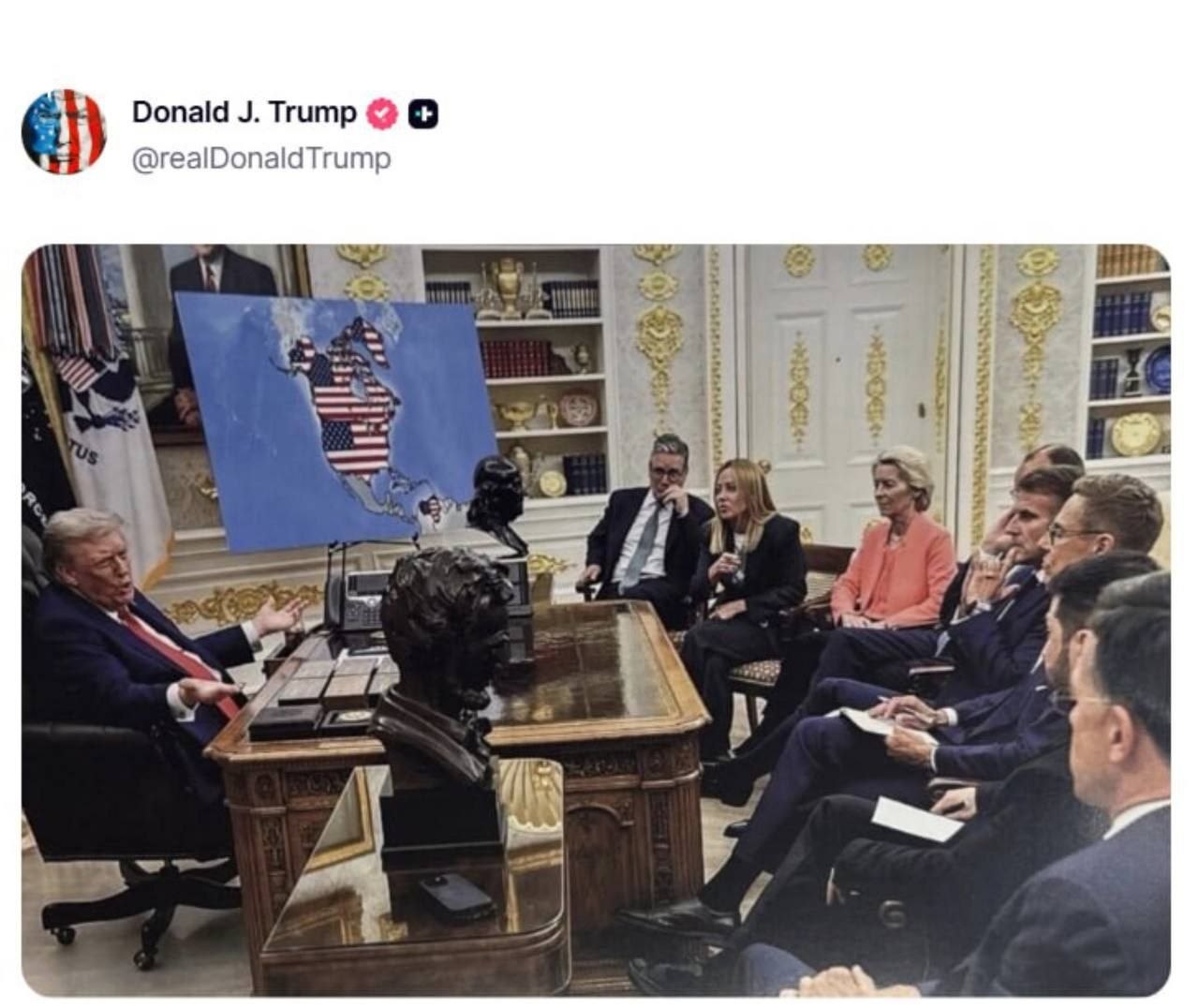
On July 3, 2026, with America nine months from its 250th birthday, the wire moved a headline that read like a press release written by a focus group: the White House would mark the anniversary by issuing 250 pardons, one for every year. The roundness was the point. So was the venue. So, predictably, was the controversy, which had already booked its cable-TV slot before the announcement cleared the AP wire.
Read closely, the 250-for-250 clemency push is less a policy story than a genre. It belongs on the same shelf as the other July 4 theatre rolling through the same news cycle: executive flourishes timed to a calendar, calibrated for the cameras that will be there, and priced in by everyone who has watched this particular production before. The question worth asking is not whether the clemencies will happen. The Polymarket ticker for the headline itself was the first to move; the act is the artifact, and the artifact is the messaging. What matters is what the framing hides and what it costs.
The round numbers, and what they round up
Anniversary politics is a familiar American genre. The 250th lands in 2026, and the White House is signalling that it intends to own the moment rather than share it with a noisy field of presidential also-rans. A 250-pardon package is, on its face, an act of mercy: commutations, sentence reductions, the occasional high-profile name that turns a routine announcement into a news cycle. On its other face, it is a casting call. The selection of who gets pardoned, and the sequencing of the announcement, will be the actual policy; the headline number is the soundtrack.
The clemency power itself is the oldest piece of executive furniture in the building. The Constitution grants it without statutory limit, and the historical record is long enough to use as a prop: Washington used it; Lincoln used it; every modern president has used it, in numbers ranging from a handful to the 212 commutations Jimmy Carter issued on his last day in office. The Supreme Court has repeatedly treated the power as essentially unreviewable. That legal backdrop is precisely what makes it such useful stagecraft. A pardon is unilateral, immediate, and largely unanswerable in court, which means the political cost is concentrated entirely on the day it is announced.
The other acts on the same bill
July 4, 2026 will not be a quiet holiday. The administration has stacked the week with set pieces: a parade of state, a speech in the capital, and a rolling series of executive actions timed to land in the same news cycle. The clemency push is the headline, but it is one of several. The pattern is what to read. When an executive branch releases a burst of actions inside a single news window, each item inherits the framing of the others; the most photogenic line tends to swallow the substance of the rest.
That is how a 250-pardon package can crowd out a quiet Friday afternoon of regulatory filings, contract awards, or personnel moves that would otherwise have carried their own weight. The volume does the framing. Coverage defers to the language of the announcement, the clemency lobby publishes its wish list, the cable panels book the same handful of litigators they book every time, and the underlying records of who asked, who was considered, and who was passed over end up in an appendix nobody reads. The pardon is the product. The recipient list is the customer service.
The politics inside the gesture
Clemency is, by design, a place where presidential discretion meets raw patronage. The list of who gets the nod, and who gets left to file a petition that goes nowhere, is itself a political document. A 250-strong slate, drawn from a pool that runs from drug offences with sentences now widely regarded as disproportionate to January 6 cases to a smattering of celebrity-adjacent names, will tell different stories to different audiences. To reform-minded prosecutors, it is overdue. To the right, it is a long-overdue correction to a weaponised system. To the left, depending on the mix, it is either insufficient or a betrayal. That breadth is the feature, not the bug. A package that can be read as a victory from three directions is a package that has been reverse-engineered from the audience back to the announcement.
The week of July 4 also lands in the middle of a longer story about the pardon power itself, which has been quietly expanding across administrations of both parties. The Framers wrote it broad; modern practice has written it broad, loud, and televised. The legal ceiling is not the constraint. The constraint is the 24-hour news window, the next morning's front page, and the question of whether the announcement will age well. None of those are legal questions. All of them are political ones dressed as legal ones.
What the framing leaves out
Round-number politics has a habit of hiding the work. A 250-pardon headline will dominate the coverage; the underlying question of how the slate was selected, who was consulted, which constituencies were granted meetings and which were not, will be covered, if at all, as process colour. The people inside the process know the order in which names were added. The public learns the order in which names were announced. Those are not the same list.
The same goes for what is not being pardoned. Every clemency grant is also a quiet denial: a non-answer to every petition that did not make the cut. A 250-pardon package is, by definition, a package that drew its shape somewhere; the boundary is the story. The anniversary frame gives the White House a way to talk about the bound without inviting the press to walk along it. The reporters who bother will get the walking done. The reporters who don't will file the package as a tone piece and move on to the parade.
What to watch by Friday
Three dates will tell the story. The first is the release of the official slate: the names, the categories, the geography of who got the nod and where they came from. The second is the immediate reaction from the federal prosecutors and US attorneys whose cases produced the underlying convictions; their silence, or its absence, will say more than the cable panels. The third is the next, unrelated executive announcement that lands inside the same news window, because that one will tell you whether the 250-pardon package was the centrepiece or the cover.
The honest reading is that this is what anniversary politics looks like in the late 2020s. The number is the message, the clemency is the medium, and the actual recipients are the audience. Some of the people pardoned on July 4, 2026 will deserve the moment. Most of them will get it anyway, because the clemency is not really about them. It is about the camera, the calendar, and the next twenty-five weeks of a political year that has decided to perform itself as a centennial, a half-millennial, and a coronation all at once.
Sources
- https://t.me/polymarket/17281
- https://t.me/polymarket/17274
- https://t.me/polymarket/17249
- https://t.me/polymarket/17221
- https://en.wikipedia.org/wiki/Pardon
Desk note: Monexus framed this as a story about presidential stagecraft rather than about any individual clemency recipient. The wire carried the announcement; we read the genre.