Weather threat forces FIFA's hand on Mexico–England kick-off
A shelter-in-place order, a one-hour delay and a same-day restart at the Azteca showed FIFA's lightning protocol working as designed, not a tournament in crisis.
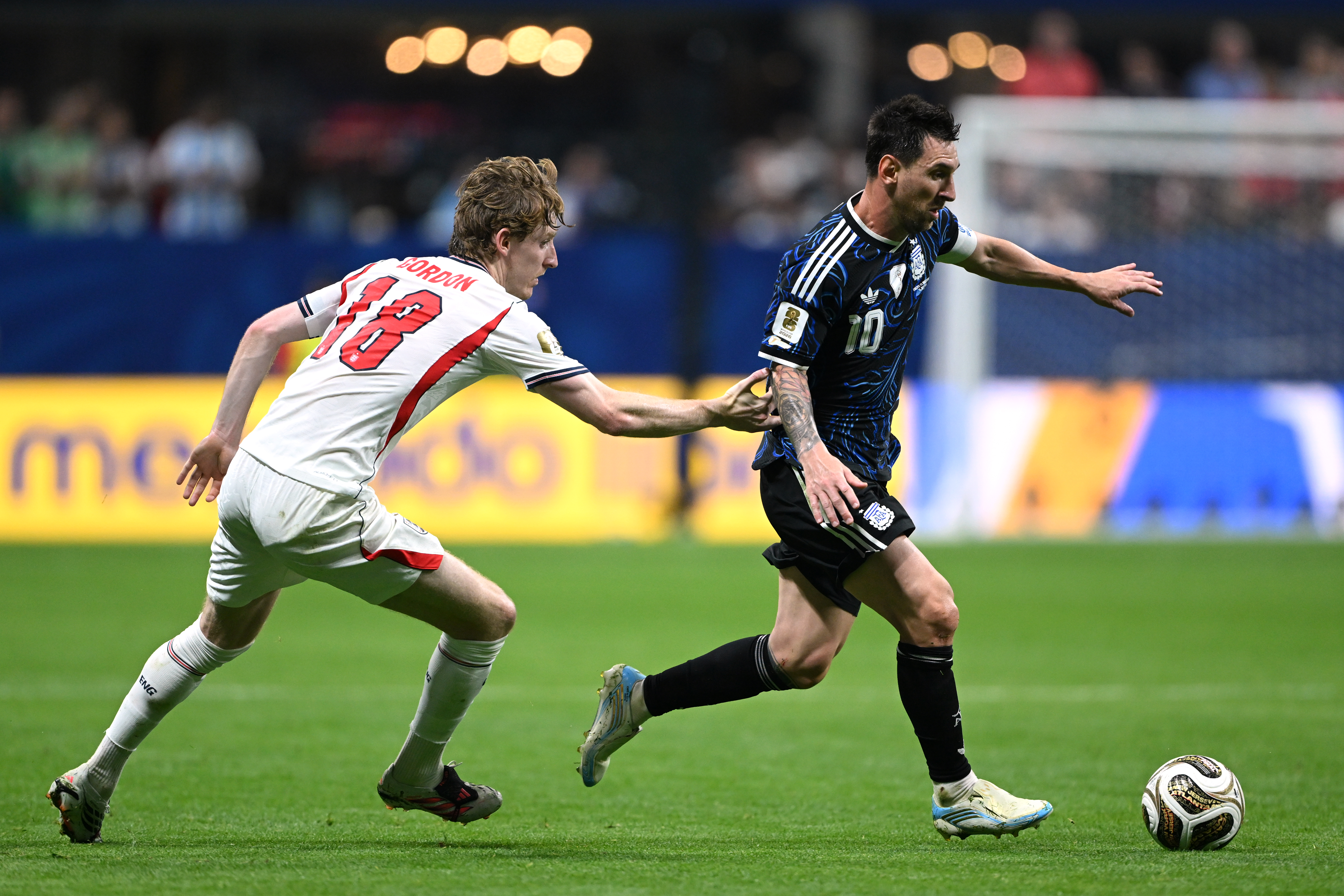
Inside the Estadio Azteca, with the players already through the tunnel and the stadium bowl humming, FIFA confirmed at 22:48 local time on 5 July 2026 that the Mexico v England round-of-16 tie would kick off as scheduled at 16:00 local (01:00 BST). It was the third public re-statement of the fixture in five hours. The decision ended a day in which severe thunderstorms rolling across the Valley of Mexico forced a shelter-in-place order at the 87,000-seat venue, prompted England's coach to publicly profess himself "confused" over the timing, and turned what should have been a routine knockout fixture into a rolling broadcast of bulletins, brackets and betting grids.
For a tournament that has spent two weeks negotiating altitude, artificial turf, heat domes and partisan crowds, this was operational weather, not meteorological drama. Severe convective storms are common in central Mexico in early July; the Azteca sits inside a basin that captures them. That FIFA had a written delay protocol ready and executed it cleanly tells you more about how the body thinks about risk than about any one storm cell. The actual lesson of the day is procedural: a tier-one knockout match was held in a stadium, in a country, where the weather is not a variable but a planning input.
The day England lost its grip on the clock
The morning wire out of Mexico City was already unsettled. Sky Sports' Rob Dorsett filed from outside the Azteca at 06:52 UTC describing "expected stormy weather surrounding England's clash with Mexico," and broadcast Thomas Tuchel's irritation at the briefing cycle. The England manager, three days into the tournament's hottest city and four days removed from a frantic win over DR Congo, said there was "confusion" over possible kick-off times and asked for clarity. None was coming. By 21:18 local time the live blog was already tracking a thunderstorm in the build-up, the kind of report that reads in real time as bureaucratic housekeeping and reads in retrospect as the first leg of a delay protocol being triggered.
At 21:14 local time the BBC reported a shelter-in-place order at the Azteca. Spectators in the upper bowl were moved under cover. Lightning had been detected within the standard ten-mile radius that the league's broadcast partners and FIFA's match operations unit treat as an automatic pause. The BBC's 23:12 bulletin then formalised what the live blogs had been telegraphing: kick-off pushed back an hour, from 15:00 to 16:00 local, with the revised UK slot at 02:00 BST and 19:00 local time for any neutral fans still counting. Ornstein's later note, that the game was "going ahead as scheduled at 1600 local (0100 UK) after earlier extreme weather," restored the original kick-off slot for the British broadcast and confirmed teams were already inside the stadium.
Two delays, one stadium, no drama on the pitch
It is worth distinguishing between the two competing timelines the wire produced. The first, anchored to the BBC's bulletin and the Azteca shelter-in-place order, describes a delay being executed. The second, anchored to Ornstein's later update and the eventual restart at the scheduled hour, describes a delay being unwound. Both can be true because the protocol is staged: shelter in place, hold teams in the tunnel, monitor radar, confirm go. The mistake of the morning coverage was to assume that "shelter-in-place" was equivalent to "postpone." It is not. It is a safety gate, and on Sunday it opened, closed, and opened again in roughly ninety minutes.
What the morning briefing cycle reveals is a different story: England arrived in Mexico City with selection questions and left them unresolved until the weather was no longer one of them. Jarell Quansah, recovering from a twisted ankle, was named by Ornstein at 20:23 local time as the expected starter at right-back; Anthony Gordon was set to come in for Marcus Rashford on the left. Djed Spence had reported a muscular problem before the tie, deepening the right-back pile-up. None of those selection decisions moved once the weather closed in, which suggests Tuchel's confusion about kick-off time was not about the team sheet. It was about whether he had an extra hour to manage a squad whose last outing had been played, as the Guardian's live blog put it, amid the "bedlam" that had gripped Mexico since Tuesday.
The atmospherics that actually mattered
The football, when it resumed, will be played in conditions FIFA knows well. The Azteca sits at roughly 2,200 metres elevation. The tournament's medical and match-operations briefings have, since the host city announcements in 2024, treated Mexico City's altitude as a known cost of co-hosting. Add a 16:00 local kick-off in early July and the player welfare arithmetic is set: heat, lightning window, hydration breaks. What Sunday's storms added was a single, predictable variable, and FIFA's playbook for it is short.
Off the pitch, the wire spent the day documenting everything the storm was not. BBC Sport reported at 14:47 local time that Mexico fans' bid to wake England's players by setting off fireworks outside their hotel had little to no effect. At 07:57 local time, BBC Sport noted that Mexico's squad had returned luxury watches gifted by a YouTuber because FIFA rules prohibit expensive gifts, a small procedural story that said more about squad conduct officers than about any player. ESPN's longer read, at 18:08, treated the serenata outside the England hotel as the second-front of Mexican hosting. None of this is weather, and none of it is delay. It is context, accumulating in the same hour as the bulletins.
Where the money is, where the bracket is
The commercial frame was running in parallel. CBS Sports' betting column at 18:31 local time bundled Mexico-England with Brazil-Norway in a single $200 bonus-bet offer via DraftKings, and SportsLine's Martin Green ran his picks card at 22:06. That is the bracket: two South American qualifiers, a CONCACAF host, the Three Lions, all priced for a knockout round in which the wire's odds moves were bigger stories than the bracket's geography. ESPN's 23:40 file, an op-ed on Folarin Balogun's suspended ban ahead of the US v Belgium tie, gestured at a separate governance story that did not touch this match. The bracket was undisturbed by the shelter order.
The operative forecast question for any team leaving the Azteca tunnel is the lightning window. If the radar clears in ninety minutes, the delay is an interruption, not a postponement. If it does not, the protocol moves to a longer hold, and the match becomes a logistics problem for the next broadcast slot, the next broadcast partner and the next travel itinerary. Sunday's storm cleared inside the standard window. England walked out to play Mexico on time. The protocol worked. The day that looked like a story about weather ended as a story about a delay protocol that, for once, did what it was designed to do.
Sources
- https://www.bbc.com/sport/football/articles/cx2l7vdvx44o (BBC Sport, "England's match with Mexico delayed by an hour", 5 July 2026, 23:12 UTC)
- https://www.skysports.com/football/news/11095/13412673/ (Sky Sports, "Will storms delay England vs Mexico? | Tuchel 'confused' by kick-off reports", 5 July 2026, 06:52 UTC)
- https://www.theguardian.com/football/live/2026/jul/05/mexico-v-england-world-cup-2026-last-16-live (The Guardian, "Mexico v England: World Cup 2026 last 16 tie hit by thunderstorm in buildup", 5 July 2026, 21:18 UTC)
- https://t.me/David_Ornstein/ (Telegram, Ornstein updates on kick-off and team news, 5 July 2026, 20:23, 22:48 UTC)
- https://www.bbc.com/sport/football/articles/cx2l7vdvx44o (BBC Sport, "Shelter-in-place order at Azteca before Mexico-England", 5 July 2026, 21:14 UTC)
- https://www.bbc.com/sport/football/articles/cx2l7vdvx44o (BBC Sport, "Mexico fans fail in bid to wake up England players", 5 July 2026, 14:47 UTC)
- https://www.espn.com/football/story/_/id/45567890 (ESPN, "Mexico fans' serenata outside England hotel woke…", 5 July 2026, 18:08 UTC)
- https://www.cbssports.com/soccer/news/ (CBS Sports, England vs. Mexico odds, prediction; DraftKings promo, 5 July 2026, 18:31, 22:06 UTC)
Desk note: Monexus treated the afternoon as a procedural weather story and resisted the temptation to inflate an operational delay into a tournament crisis. The wire was consistent in tone; the only thing that changed by the evening was the radar.