Set Pieces and Stakes: What Bosnia and Herzegovina Brings to the U.S. Knockout Test
Folarin Balogun called it an emotional rollercoaster. The U.S. now face Bosnia-Herzegovina in the round of 16 without him, against a side built on set pieces and stubborn resistance, with a home crowd watching every touch.
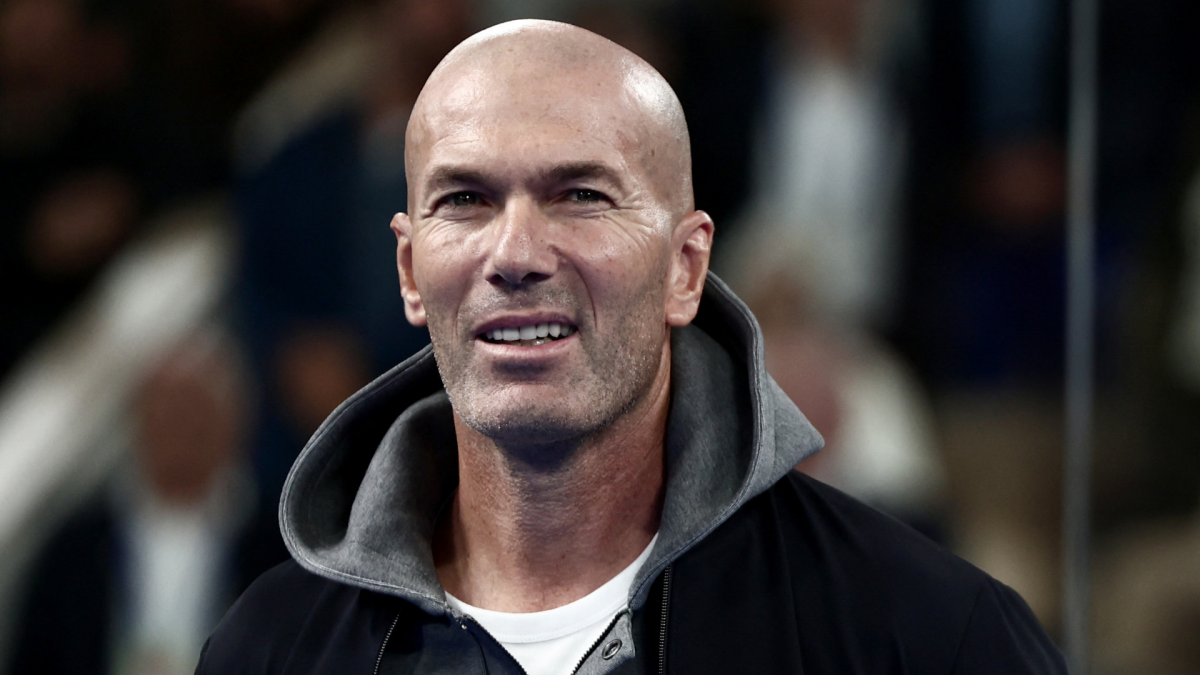
Folarin Balogun called it an emotional rollercoaster. The U.S. forward's red card against Bosnia-Herzegovina on 2 July, a dismissal that has left him watching from the stands, has turned a knockout bracket assignment into something closer to a referendum on discipline and depth. On Saturday, the U.S. meets Bosnia-Herzegovina in the round of 16, and the match has acquired the texture of a test the Americans did not ask for, played on a stage they cannot afford to stumble through.
The stakes are blunt: win and the run continues, lose and the tournament's loudest home team exits on home soil before the quarterfinals. Bosnia-Herzegovina arrive as the kind of opponent that punishes hesitation. The U.S. will have to absorb the absence of a starting forward, manage the temperature of a partisan crowd, and produce the kind of performance that tournament football demands when the group stage ends and the mistakes compound.
The card that redrew the lineup
Balogun's sending-off came in a group-stage finale that the U.S. needed to navigate carefully. He described the days since as an "emotional rollercoaster," and his own framing captures the texture of a squad that arrived at the knockout phase with momentum but not invulnerability. A red card in the modern game is not merely a one-match absence; it shifts tactical choices, alters bench calculations, and hands the opposition a psychological lever. Bosnia-Herzegovina's staff will have noted the absence and built their press triggers accordingly.
The temptation in coverage is to treat the suspension as a plot point rather than a problem. It is a problem. Replacing a starting forward at a World Cup knockout match is not a like-for-like exercise; it is a recalibration of the attacking shape, the chemistry in the final third, and the willingness of a coaching staff to trust a替补 in the highest-leverage minutes of the tournament. The U.S. has the squad depth to absorb the loss. Whether they have the settled patterns is the open question.
Bosnia-Herzegovina's set-piece threat
Bosnia-Herzegovina's route through the group stage was not a story of flair so much as a story of set pieces. The side has built an identity around the dead ball, around the delivery from wide areas, around the aerial duels that follow. Against a U.S. back line that has shown occasional vulnerability on crosses, the arithmetic is straightforward: limit the set pieces, limit Bosnia's clearest path to goal.
Set pieces are also where games turn in knockout football. A single corner, a single free kick from range, a single wide free kick whipped into a crowded box, can be the difference between advancing and flying home. The U.S. has the athleticism to compete in the air; the question is concentration over ninety minutes, the discipline to mark runners, to clear first time, to refuse the soft fouls in dangerous areas. Bosnia-Herzegovina will hunt those fouls. They have the delivery to capitalise.
The home crowd, and the weight of the occasion
Playing as a host nation in a World Cup knockout match is a privilege and a pressure in equal measure. The crowd that fills the stadium will arrive expecting the U.S. to advance, and the U.S. will carry that expectation in every touch. The team that handles the emotional weight best is usually the team that treats the occasion as a job, not a coronation. Bosnia-Herzegovina, by contrast, arrive with the posture of a side that has already exceeded the script and intends to keep writing.
The matchup has another layer. The two sides met recently in the group stage, which means the scouting report is shorter and the psychological residue is fresh. Bosnia-Herzegovina know the U.S. shape, the U.S. know Bosnia's set-piece routine, and the first ten minutes will be a chess match of small adjustments and familiar patterns. The team that breaks the pattern first often breaks the match open.
What the bracket says, and what it doesn't
The knockout draw has been kinder to some and less kind to others. Cape Verde gave Argentina a genuine scare in the group stage, a reminder that the expanded format produces volatility, and Colombia's win over Ghana sent Jhon Arias's side into the last 16 with the look of a team hitting form at the right moment. None of that is the U.S. problem tonight, but all of it is a reminder that the margin between advancing and departing is a single moment, a single decision, a single piece of execution.
For the U.S., the match is a test of maturity. The group stage produced the wins it needed to produce, and the red card produced the discipline lesson it did not want. What remains is the part of the tournament that history remembers: the round of 16 match that a host nation wins, or the round of 16 match that a host nation explains away for a decade. Bosnia-Herzegovina, with their set pieces and their set jaws, intend to be the team that does the explaining.
Kickoff arrives, and with it, the simplest question in tournament football: who handles the moment?