Spain's 3-0 win over Austria ends a 16-year knockout win drought at World Cups
Mikel Oyarzabal scored twice as Spain beat Austria 3-0 in Los Angeles to reach the World Cup last 16, ending a knockout-stage win drought stretching back to the 2010 triumph.
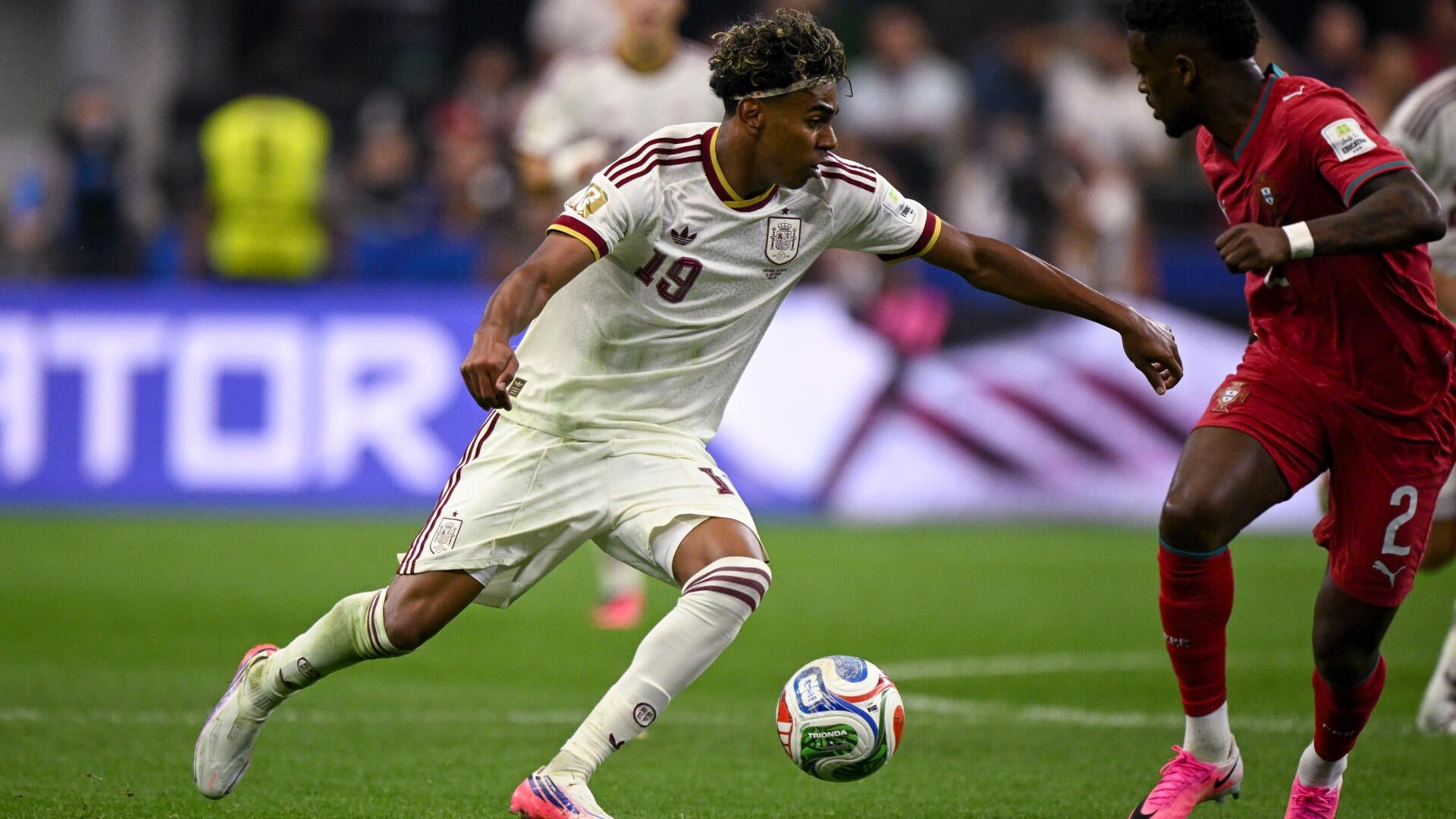
Mikel Oyarzabal scored in each half at SoFi Stadium in Los Angeles on 2 July 2026, propelling Spain into the World Cup round of 16 with a controlled 3-0 win over Austria and finally ending a run of three consecutive tournaments without a knockout-stage victory. The result, the heaviest of Spain's group phase so far, was less a rout than a statement of identity: possession-heavy, vertically patient, ruthless in the moments that mattered.
For a programme that won the 2010 World Cup in Johannesburg and has spent the sixteen years since oscillating between brilliance and disappointment, the win carried weight beyond the scoreline. Spain have now cleared the round-of-32 stage for the first time since lifting the trophy in South Africa. The performance read less like a fluke and more like a team that has remembered what it does.
How the win was built
Spain's opening goal, in the first half, settled a match that had threatened to follow the script of recent Spanish exits: lots of the ball, few incisions. Oyarzabal's opener, his third of the tournament, rewarded the kind of sustained pressure that had been missing in the cycle between 2014 and 2022, when Spain exited at the group stage in Russia and fell to Morocco in the round of 16 in Qatar. The second arrived in the second half, with Oyarzabal climbing to four tournament goals, and a third rounded out a clean, professional evening in Inglewood.
Austria, organised in their compact mid-block and dangerous on the counter, kept the scoreline respectable for long stretches but could not convert the limited chances that came their way. SoFi Stadium — the 70,000-seat venue that hosted the 2022 Super Bowl — provided a stage that has so far rewarded technically literate sides, and Spain used it accordingly.
The longer shadow: a knockout-stage drought
The framing that matters is not the goals but the gap. Between 2010 and 2026, Spain played three World Cups and won zero knockout games in any of them — a remarkable record for the reigning European champions across that span and the data point that turned a strong qualifying campaign into a politically loaded one for coach Luis de la Fuente. Beating Austria in the round of 32, in the expanded 48-team format that debuted at this tournament, is the minimum bar. The interesting question is what comes next.
The squad blends veterans — among them Oyarzabal, the Real Sociedad forward who scored the winner in the Euro 2020 final against England — with the next generation of La Masia graduates and Atlético- and Athletic-developed talent. Whether that mix can sustain a deep run is the open question the Austria result only begins to answer.
What the read is, and what it is not
There is a plausible counter-narrative: Austria are a solid but unspectacular side, ranked outside the top ten, and Spain were always heavy favourites in this bracket. A 3-0 win, in this reading, simply calibrates expectations to where they should have been all along. The dominant framing — a return to form for a serial underachiever at this stage of the tournament — holds because the underlying numbers do: zero knockout wins across three tournaments is the drought that defined the cycle, and breaking it is the news, regardless of the opposition.
What remains uncertain is whether Spain can replicate this control against a deeper, faster opponent in the round of 16. The expanded format has produced some early upsets elsewhere in the bracket, and the margin for error narrows sharply from here. The Austria result tells us Spain have their mojo back; it does not yet tell us how far that mojo carries them.
What is at stake
For Spanish football, a deep run restores credibility to a federation that has invested heavily in its youth pathways and was beginning to hear questions about whether the model still produced tournament footballers. For Oyarzabal personally, four goals in the knockout rounds of a World Cup is the kind of stat line that defines a striker's legacy. For the tournament itself, a Spain team playing with verve in Los Angeles is the kind of draw that broadcasters and organisers need as the bracket hardens.
The next match, against a yet-to-be-determined opponent, will be the first real test. Until then, Spain have answered the only question that mattered on 2 July 2026: yes, they can win a knockout game again.
This publication framed the Spain–Austria result around the sixteen-year knockout drought rather than the scoreline alone, on the view that the historical context is what made the win newsworthy rather than the margin.
Wire provenance
This editorial synthesis draws on the following public wire/social posts:
- https://t.me/france24_en
- https://t.me/StandardKenya