Beirut plays the negotiation clock
Lebanon's health minister says the alternative to a deal with Israel is 'courage, not surrender' — and pins Beirut's leverage to the Iran-United States track.
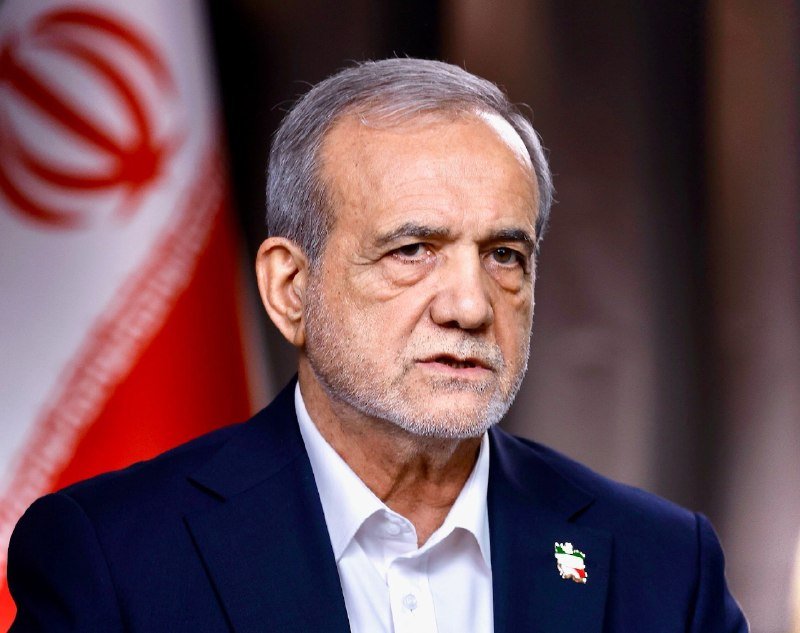
A Lebanese cabinet minister walked into a press room on 2 July 2026 and tried to redraw the terms of his country's bargaining position. The line, delivered in remarks carried by Iran's Tasnim news agency in English and Farsi almost simultaneously at 15:09 and 15:12 UTC, was deliberately blunt: the alternative to an agreement with Israel is "courage, not surrender." The minister, who holds the health portfolio, framed the diplomatic moment as a window that must be exploited — and explicitly tied Beirut's posture to the atmosphere of negotiations between Iran and the United States.
What Beirut is signalling, in plain terms, is that it intends to ride the Iran–US track rather than negotiate in isolation. The phrasing matters. By locating the alternative to a deal inside the language of "courage," the minister reframes non-deal as a posture of national dignity rather than a policy failure. By tying the moment to the Iran–United States track, he converts a bilateral Lebanon–Israel file into a tributary of a larger negotiation.
What the minister actually said
Tasnim's two parallel wires — the English service at 15:12 UTC and the Persian service at 15:09 UTC — record the same load-bearing phrase: the alternative to an agreement with Israel is "courage, not surrender." The minister also urged that "the atmosphere of negotiations between Iran and the United States" be used. The duplication across Tasnim's English and Persian desks is itself a signal: the line was packaged simultaneously for an Iranian audience and for an international Farsi-speaking and Arab-reading audience, suggesting it was meant to travel.
The health portfolio is a junior cabinet position in the Lebanese system; the prime minister and the president speak for the state on security files. That makes the minister's framing a positioning exercise rather than an authoritative offer. But positioning is the substance here. Beirut is auditioning the language it wants in the room when talks proper resume.
Why attach Lebanon to the Iran–US file
Lebanon has historically lacked its own weight at the table with Israel. The country's leverage runs through Tehran — through the patronage, financing and political cover that flows from the Islamic Republic to Hezbollah and, by extension, to a Lebanese state that cannot fully control its own southern frontier. The minister's logic is therefore structural: if Washington and Tehran are talking, Beirut gets a louder voice than its GDP or its army would otherwise earn.
This is the same logic that has produced previous rounds of Lebanon–Israel diplomacy. When Iran–US talks advanced, the southern front quieted. When those talks collapsed, so did the space for a Lebanese track. The minister's statement amounts to an assertion that the pattern still holds, and that the current atmosphere is one in which Beirut can press its claims.
What this leaves out
The dominant framing inside Western wire coverage of any Lebanon–Israel track is that Hezbollah's armed posture — and Iran's backing of it — is the central obstacle. Under that framing, an Iranian-mediated Lebanon file is read as an Iranian-managed one, with Lebanese sovereignty as the residual variable. The Beirut counter, which this statement leans into, is that Lebanese state institutions have agency and that the country has national interests separate from, if aligned with, Tehran's. The evidence on the ground is mixed: Beirut has constrained Hezbollah's freedom of action in some periods and largely refrained from doing so in others.
There is also the question of what "courage, not surrender" means as a negotiating position. If the alternative is framed as national dignity rather than as compromise, the bargaining space for land swaps, prisoner releases or border demarcation narrows. The line will read as strength to a domestic audience; to an Israeli negotiating team it will read as a constraint on what a Lebanese counterpart can accept without losing face.
Stakes
If the Iran–United States track produces a deal that touches the southern front, Lebanon stands to gain — quiet at the border, reconstruction finance, a normalised diplomatic channel. If that track collapses, the language of "courage" becomes the script for a longer standoff, with the usual costs borne in the south and in Beirut's peripheries. The health minister's framing is a bet that the first scenario is closer than the second.
Desk note: the only verifiable input here is Tasnim's parallel English and Persian wires of 2 July 2026. Monexus has not seen an Israeli, US or independent Lebanese readout of the same remarks, and the sources do not specify whether the minister was speaking in a personal capacity or on behalf of the cabinet. The structural read — that Lebanon is attaching itself to the Iran–US file — is an editorial inference from the minister's own framing, not a confirmed position of the Lebanese government.
Wire provenance
This editorial synthesis draws on the following public wire/social posts:
- https://t.me/tasnimnews_en
- https://t.me/JahanTasnim