Norway's 'Viking Row' is a marketing construct dressed as a tradition
The viral Viking synchronised clap at the 2026 World Cup is presented as folklore. Reporting from ESPN traces it instead to a creative team's notebook.
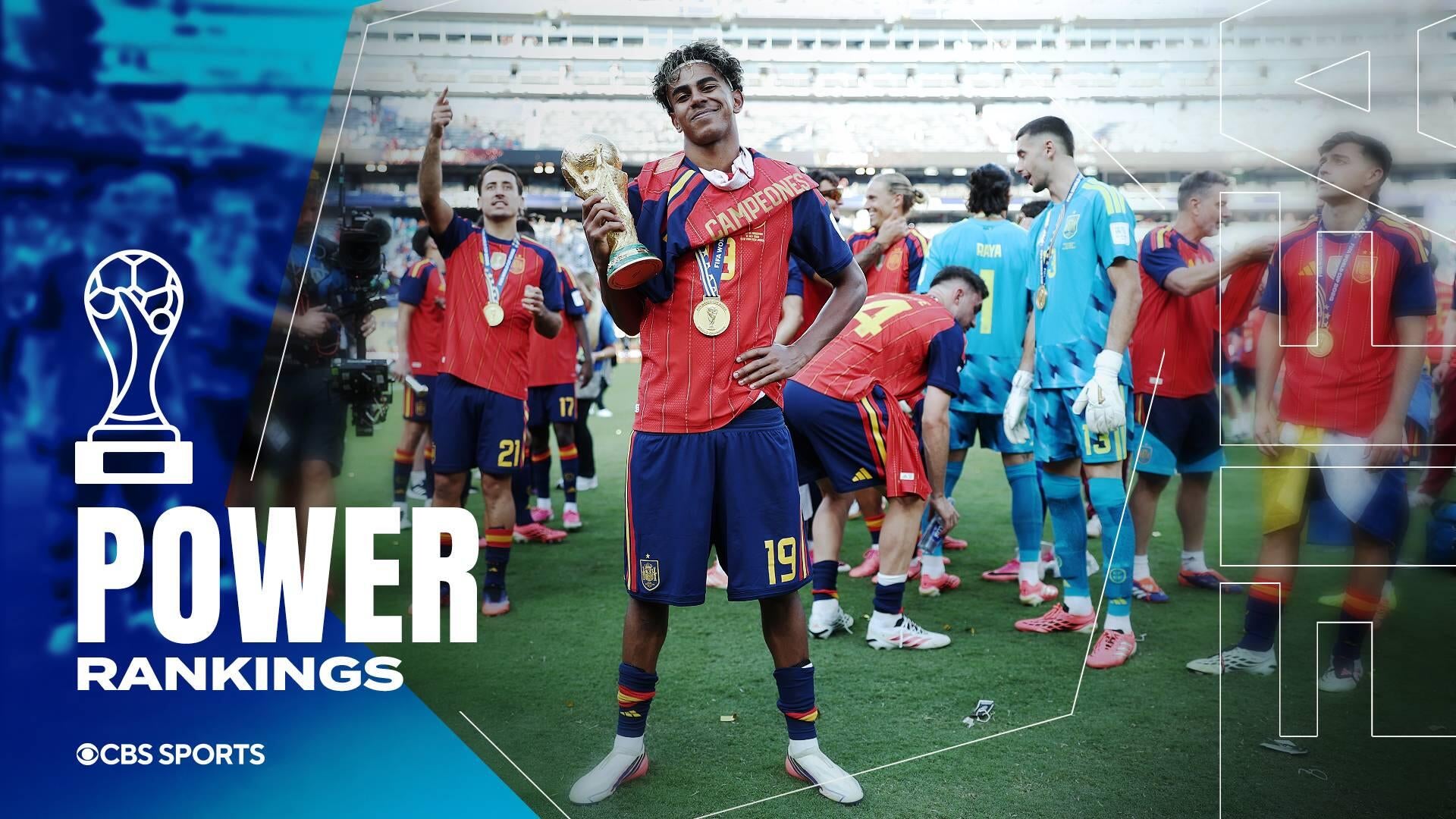
The Viking Clap's thunderous, synchronised rhythm rolled across the stands in the opening week of the 2026 World Cup, broadcast to roughly three billion viewers worldwide. Cameras cut to the Norwegian supporters' section; the clip hit the trending feeds within minutes. Reporting published on 30 June 2026 by ESPN traces the choreography not to medieval Scandinavia but to a marketing room and a notepad.
Norway's "Viking Row" is the latest in a long line of stadium rituals presented as inherited folk practice. It is, in fact, a constructed performance — designed, rehearsed, and rolled out by a creative team tasked with producing the country's most shareable image of the tournament. That is the central finding in ESPN's account of how the routine was built, and then exported.
A notepad, not a saga
ESPN's reconstruction, published 30 June 2026 at 12:25 UTC, follows the routine from a creative brief through a stadium test event to broadcast primetime. The piece describes how a small group of producers, choreographers and fan-group representatives collaborated on a sequence that could be taught quickly to travelling supporters, photographed well from broadcast angles, and read instantly on a five-inch vertical screen. The "Viking" branding was a deliberate frame, chosen for instant recognisability, the outlet reports — not a recovered tradition.
Norwegian supporter culture does have genuine folk antecedents — the bunad dress tradition, the hymne sung before matches, the long-standing ultras scenes in Oslo, Bergen and Trondheim. None of those were sources for the row itself, according to the ESPN reporting. What emerged is closer to a piece of sports IP than a recovered ritual: a designed behaviour that, once associated with the national team, becomes economically and diplomatically useful.
The appeal of invented tradition
The wider phenomenon is familiar. Australian cricket's "Sandpaper"-era chants, Mexico's La Ola propagations, the English "Football's Coming Home" refrain — each is presented as organic, then standardised, then traded. Constructed fan rituals travel well because they are legible to cameras and easily copied by travelling supporters. Once a sequence is broadcast, the cost of replicating it elsewhere is near zero.
For a small national federation, the calculus is straightforward. A distinctive, photogenic crowd image multiplies broadcast value: sponsors gain reach, the federation gains bargaining power in rights negotiations, and the country gains soft-power surface area that does not require diplomatic spend. Norway, which lacks the perennial qualification record of Brazil, Germany or Argentina, has a structural incentive to manufacture the most legible supporter product possible.
What the framing misses
There is a counter-reading worth weighing. The supporters who performed the row are real, and their enthusiasm is unrehearsed in the emotional sense. The creative team's contribution was a scaffold; the noise, the joy, the tribal pleasure of synchronised movement are not inventions. The ESPN piece does not claim otherwise — its argument is about provenance and ownership, not about authenticity of feeling. A reader who walks away thinking Norwegian fans are somehow fraudulent has misread the report.
The harder question is about disclosure. No broadcast graphic identified the routine as a marketing construct during the opening matches. The federation's communications channels have treated it as a discovery rather than a commission. ESPN's reporting effectively functions as the consumer disclosure that the live broadcast did not.
The stakes for federations, sponsors and supporters
The economic logic here will be studied, not condemned. If the Viking Row demonstrably lifts Norwegian football's broadcast value and merchandise sales, expect federations from Belgium to South Korea to commission their own equivalents in the next cycle. The intellectual property — the precise arm pattern, the cadence, the slogan overlaid on the broadcast — is now openly available for imitation. The country that loses is the one that pays for a designer ritual without acknowledging the spend; the country that wins treats the construct as a marketing line item.
For supporters, the implication is sharper. The stand belongs to whoever shows up. Treating designed rituals as inherited ones flattens the labour of the people in the seats and obscures the commercial interests underwriting the choreography. Disclosure — a banner, a broadcast line, a federation statement — would not diminish the noise. It would clarify whose product the noise actually is.
Norway's row will be heard again in this tournament. The story behind it is now the more interesting one.
Wire provenance
This editorial synthesis draws on the following public wire/social posts:
- https://en.wikipedia.org/wiki/Norway_national_football_team
- https://en.wikipedia.org/wiki/2026_FIFA_World_Cup
- https://en.wikipedia.org/wiki/Ultras